

How To Purge Clothes: 7 Mindset Shifts You Need to Edit Your Wardrobe

If letting go of clothing feels hard, you’re not alone. Dated pieces, things that no longer fit, the “just okay” ones you keep out of habit. Clearing them out can feel overwhelming. But with the right mindset shifts, it stops feeling like a loss and starts feeling like clarity.
Before launching The Well Dressed Life, I spent a decade as a personal stylist, helping more than a thousand women build wardrobes that were both stylish and functional.
And let me tell you, editing their closets was always the first step. It wasn’t glamorous, but it was absolutely essential.
At first, I didn’t understand why it left me so drained. The job itself was easy. Physically it wasn’t demanding, and on paper we were just sorting clothes. But I would leave those appointments completely wiped out, and it took me a while to figure out why.
Eventually, I realized the fatigue wasn’t about the work. It came from the emotional weight of the process. Each piece held a story, a memory, or a what if that made it hard for my clients to let go, and I was holding space for all of it.
The Short Answer
Most closet cleanouts stall because you’re not sorting fabric, you’re sorting feelings. The fastest way through is to decide what stays based on the life you’re living right now, not the one you used to live and not the one you’re hoping for.
Seven mindset shifts that make it easier:
- Define your personal style before you touch a hanger
- Accept that the money is already spent
- Trends come back, but never the same way
- Stop saving clothes for other people
- Use a Maybe Box for anything you’re unsure about
- Fitting isn’t the same as feeling good
- Your closet is not a department store
Why Purging Your Clothes Feels So Hard
Clothes are more than what we wear. They reflect who we are, where we’ve been, and who we hope to become. So it makes sense that editing your wardrobe stirs up emotion.
The dress you wore to an important event. The jeans that once fit like a dream. The blazer you bought for your first big job. These pieces hold memories, and letting them go can feel like letting go of a part of yourself.
Sometimes we hold on for the future instead. The someday dress. The smaller sized jeans. The things that represent goals and aspirations, even when they no longer line up with your actual life.
But keeping pieces that don’t serve you now weighs you down. A cluttered closet leaves you stuck in the past or frustrated by the future, instead of present and capable.
And honestly, if this feels hard, that’s normal. You’re untangling feelings. Here’s how to do it with more clarity and less stress.
7 Mindset Shifts You Need to Edit Your Wardrobe

1. Discover Your Personal Style First
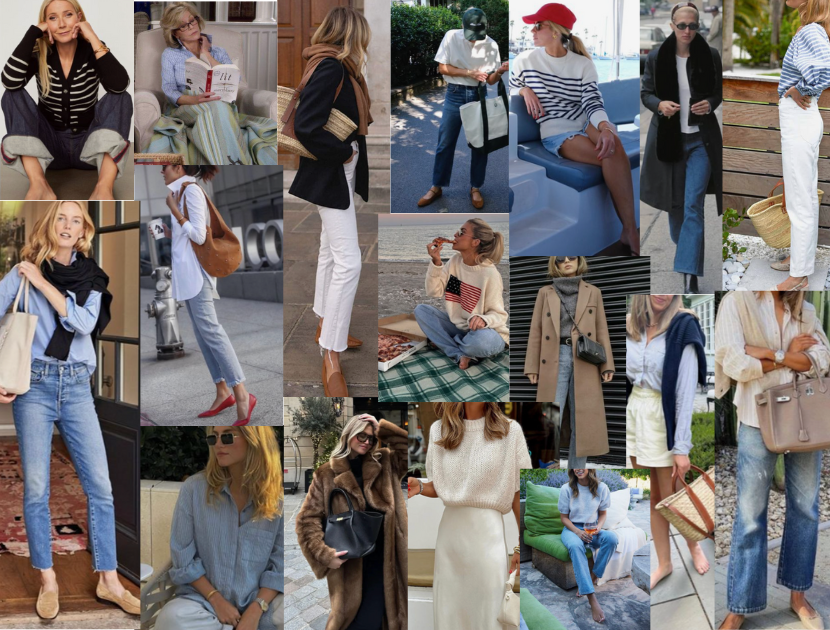
You can’t curate a wardrobe if you don’t know what you actually like. Before you start pulling things off hangers, take some time to figure out your personal style.
Create a Pinterest board or collect images from magazines. Look for patterns:
- Do you prefer pants or dresses?
- Are you drawn to neutrals or bold prints?
- Do you wear sneakers every day, or do you love a chic heel?
As themes emerge, use them as your filter. When you edit, ask one question: does this fit the style I’m trying to build?
If it doesn’t, it’s time to let it go.
Need help defining it? Start here: How to Discover Your Personal Style.
2. Accept That the Money Is Already Spent
This is one of the biggest blocks I saw in client closets. You pick up something you barely wore, and all you can think is I paid good money for that.
Here’s the truth. Whether it’s hanging in your closet or sitting in a donation bin, the money is already gone. Keeping the item doesn’t bring it back. It just keeps the guilt in front of you every morning.
Sell it or donate it. Releasing the physical thing helps release the emotional weight attached to it. If you’re stuck on this one, here’s more guidance on what to do with clothes that no longer fit.
And the next time you shop? Use the experience. That’s what it’s worth now.
3. Understand Trends Rarely Come Back the Same
Trends do repeat, but never exactly. Holding onto old pieces waiting for their moment to return usually just leaves you with a closet full of things that don’t quite work.
The 90s revival is the perfect example. I was 17 in 1997, wearing Charlotte Russe with the occasional splurge from Gap. I wasn’t wearing bias cut skirts and cashmere sweaters. That’s the version of the 90s coming back now, and it’s the version I actually want. The trend returned. I didn’t stay seventeen..
That’s the thing about keeping something for later. You can’t predict what “later” will actually look like, and you can’t predict who you’ll be when it gets here.
What holds up is the stuff that was never really a trend. A pair of Chanel ballet flats. A well-made Ralph Lauren jacket. Those pieces work because they were classic to begin with, not because you correctly guessed the cycle. The blazer you grabbed off a clearance rack in 2002? Probably not.
So pull the parts of a trend that feel modern and true to you now, like relaxed denim, classic tailoring, or a clean silhouette, and leave the rest behind. If something feels like it belongs to a former version of you, it probably does. That isn’t a loss. That’s growth.
When I say something is dated, I mean it truly no longer looks or feels current. If you’re unsure, this helps: How to Tell If Your Clothes Are Out of Style.
4. Stop Saving Clothes for Other People
One of the most common things I heard during a cleanout was, “Oh, don’t get rid of that. I’ll see if my daughter wants it.”
Let me say this with love. Unless the piece is genuinely sentimental or designer level, the person you’re saving it for probably doesn’t want it. If your daughter wanted it, she’d have taken it already, or at least made it known.
This one usually shows up for two reasons:
- You’re avoiding the discomfort of making a decision.
- You’re avoiding feeling wasteful about something still in good shape.
Most friends and neighbors don’t want your old clothes, no matter how nice they are. Passing them along feels responsible, but usually it just delays the inevitable.
What’s Actually Worth Saving
Sentimental, heirloom quality, and timeless designer pieces are worth keeping and passing down. I’ve held onto a few things for my daughters:
- Vintage bags I’ve collected over the years
- The white suit I wore to my rehearsal dinner
- A handful of designer pieces that no longer fit but still feel special
If you’re saving something for the future, treat it that way. Clean it properly, store it well, and preserve it like the thing you say it is.
For everything else, stop using someone else as your reason to hold on. If your daughter really wanted that blazer, she’d have stolen it by now.
5. Create a Maybe Box

Not ready to part with something? That’s fine. A Maybe Box gives you time to think without forcing a permanent decision in a moment when you’re already tired and emotional.
Move anything uncertain to a separate space. Under the bed, a storage bin, the back of a spare closet. Set a time limit, one month or one season. If you haven’t reached for it by then, letting go gets a lot easier.
This works especially well for clothes that don’t currently fit. Seeing them every single morning turns getting dressed into a daily reminder of where you’re not.
I did this myself after some stubborn post pregnancy weight I couldn’t shake. I packed away a few special pieces and focused on dressing the body I had, not the one I was hoping to get back to. When I was ready, I went through the box and made real decisions about what still worked.
Why the Maybe Box Works
It breaks the cycle of indecision. It takes the emotional weight out of your daily routine and gives you distance. When you revisit the box, ask:
- Did I miss this?
- Does it still match my personal style?
- Does it fit, and do I feel good in it?
If the answer is no, donate, sell, or recycle it. The point isn’t to delay forever. The point is to make room for what supports your life right now.
If your closet feels like it’s holding more than clothes, I go deeper into this in Closet Therapy: A Wardrobe Reset for the Emotional Overthinker, a series I write on Substack for women untangling the stories behind what they own.
6. Fit Isn’t the Only Factor

Just because something fits doesn’t mean it earns a place in your closet.
Think about how many pieces you own that you feel meh about but kept because they zip. Now ask the better question. Do I actually feel good in this?
If it isn’t a clear yes, let it go.
We’ve been so conditioned to celebrate the win of finding clothes that fit that we skip right past whether we like them. I learned this the hard way when I resubscribed to Stitch Fix for postpartum clothes. At the time I was just relieved to find things that worked on my body. I gave zero thought to whether I felt like myself in them.
A few months later, every single piece went into a very expensive donation pile. They fit. I didn’t love them.
Your clothes should do more than fit. They should make you feel confident and comfortable and like yourself. You deserve better than just okay.
7. Your Closet Is Not a Department Store
Your wardrobe doesn’t need to be stocked for every possible fashion emergency. You’re not running a store, and you don’t need backup inventory just in case.
I’m far from a minimalist, but I’ve seen closets so packed with extras they become overwhelming instead of useful. The biggest culprit? Buying things on sale simply because they’re marked down.
A good deal isn’t a good deal if the piece doesn’t serve a purpose in your wardrobe.
Client Story: The Pantyhose Box
I once worked with a client who had an enormous box of pantyhose and tights in every color and size imaginable. Most were over 10 years old. She hadn’t worn pantyhose in years and only wore pants, but she kept buying them “just in case.”
We finally made a deal. If she donated the box, I’d personally buy her a pair if she ever needed one. (Spoiler alert: she never did.)
The lesson? Don’t let “just in case” keep you stuck with things you never use.
Shop With Intention
Every time you’re about to buy something, run it through three questions:
- Do I need this?
- Does it fit my actual lifestyle and my personal style?
- Will I wear it, or am I just excited because it’s on sale?
You don’t need more clothes. You need the right ones.
Frequently Asked Questions
How do you decide what clothes to get rid of?
Ask whether the piece fits the life you’re living now, not the one you used to live or the one you’re hoping for. Work one category at a time, everything out of the closet, and decide with the piece in your hand. Anything that stalls you goes in a Maybe Box, not back on the rod.
Should I keep clothes that don’t fit?
Not in your daily rotation. Seeing ill-fitting pieces every morning turns getting dressed into a referendum on your body. Pack them away for a season and revisit with fresh eyes. If they’re still a maybe, they’re a maybe. If they’re a no, let them go.
What’s the real cost of holding onto clothes I never wear?
It’s not the closet space, it’s the guilt. The money’s already spent whether the piece hangs there or gets donated tomorrow. Selling or donating it doesn’t undo the purchase, it just stops the piece from reminding you of it every time you open the door.
How often should I actually do this?
Twice a year, at the seasonal changeover. Once it’s a habit, a real pass takes about an hour. The first one is always the long one, so block real time for it and don’t expect to breeze through in twenty minutes.
Final Thoughts

Editing your closet feels like the first workout after a long break. Awkward, uncomfortable, easy to put off. But it gets lighter once you start.
This isn’t about perfection or minimalism. It’s about building a space that reflects your style today, makes getting dressed easier, and clears the clutter standing between you and the version of yourself you’re growing into.
If it feels emotional, that’s because it is. You’re letting go of old stories and expectations, not just old clothes.
Start small. Give yourself grace. Edit for the life you’re actually living.
Keep Reading
More on building a wardrobe that fits the life you’re actually living:
- How to Create a Personal Style Vision Board
- How to Create a Lifestyle Diagram to Build a Wardrobe That Actually Works
- How to Figure Out Your Wardrobe Essentials
- What to Do With Clothes That No Longer Fit
You Might Also Like


Want everything I recommend in one place?
Shop my trusted recommendations
ShopMy is where I save and organize the pieces I consistently recommend, including wardrobe staples, standout finds, and brands I have researched, worn, or genuinely trust. Everything here reflects my years of experience in personal style and the same thoughtful approach I use across The Well Dressed Life.
If you are looking for something specific, or want reliable options without the overwhelm, this is where I start.
Browse my ShopMy



I seriously need you to come and help me clean out, it ridiculous what I have and how I have soo much trouble parting with it. I love your blog and will try to learn from it, wish me luck and keep posting.
I need to do some serious closets editing. Yes, that was plural. I’m 4’11 and don’t have a clue what “style” I am. I have about 10 to 15 lbs to lose. I feel like I look frumpy because of my height.
Interesting reading.
I NEED to purge my clothes!
First list of this sort that I have found actionable and useful! Thank you!
This really helped and enjoyed the humour-I’m so bad a letting go of clothes-silly knowing thing’s hanging in my closet that someone else can wear is logical
Great article. When I go through my closet I will keep all of this in mind.
Thank you!
I love this but I am lost at “take some time to figure out what you like”.
I like a lot of things, that’s how I got this overstuffed closet!
I like pencil skirts and short blazers and turtlenecks for the office. I like flowy linen dresses with sandals in summer. I like jeans and deconstructed band shirts paired with combat boots for a concert. I like a cuter version of that with a skirt for going clubbing. The clothes I wear to spin class are by necessity different than the ones I wear to yoga class. I love to dress up for a night at the symphony. I love to dress down to meet a friend for coffee.
I want to look like Kate Lanphear but my body is short and curvy and slightly overweight.
What looks good on me isn’t necessarily what I like and vice-versa. Help!
I so enjoyed reading your article. It all makes so much sense!
I so need to downsize my wardrobe.
While I have a TON of purging to do, when I do try to get rid of some things, I try it on, and if it fits I ask myself, “If I were in the store RIGHT NOW, would I buy this?” And if the answer is no, it’s gone.
I sew (a lot) making my own clothes. So donating would not be a good option since they are all made for me and my measurements and height. But I do cut them and make tote bags, place mats, lap quilts, pot holders, etc and donate.
Thanks for a wonderful article. I have been dreading the purge but now feel confident I can handle it in a timely manner.
Reading this has motivated me to make an appointment with my closets to take everything out, try everything on, and release things! Thank you! Since we no longer dress up at work, I actually purged a ton of clothes a couple of years ago including many suits. But I still have a long way to go. I just don’t have many reasons to dress up anymore so downsizing is my reality.
I love this so much. It really is like making an appointment with your closet—it helps to treat it like something worth your time and energy. And it sounds like you’ve already made a lot of progress. The shift away from dressier workwear has been huge for so many of us, and it’s definitely a mindset change. Downsizing can be tough, but it can also feel really freeing. You’ve got this
I have read these posts for YEARS and each time, I use it as reminder to go back in a cull a little bit more. I’m FINALLY getting to the place where I’m ok with parting with my 25 year old wedding gown and first business suit (never gonna wear that short of a skirt in a business setting ever again). Thank you.
My daughter once told me that it wasn’t my responsibility to keep all stores in business. I also held onto clothes with the intention of remodeling them as someone who sews occasionally. Understanding my lifestyle post retirement helped purge a lot of “useless to me” things and I can now say that I actually wear what’s in the closet.
Over the past few years I had out weight on, but I bought nice clothing still, thinking that after menopause this was my new shape. Well, after a year and a half I have dropped the weight finally and struggled cleaning out my closet. Why? Because I just didn’t know if I should get rid of the big clothes. I am afraid that I will feel terrible if I can’t keep the weight off and have to purchase a big wardrobe again so shouldn’t I keep some safety pieces or is that just an invitation to put the weight back on? Any tips?