
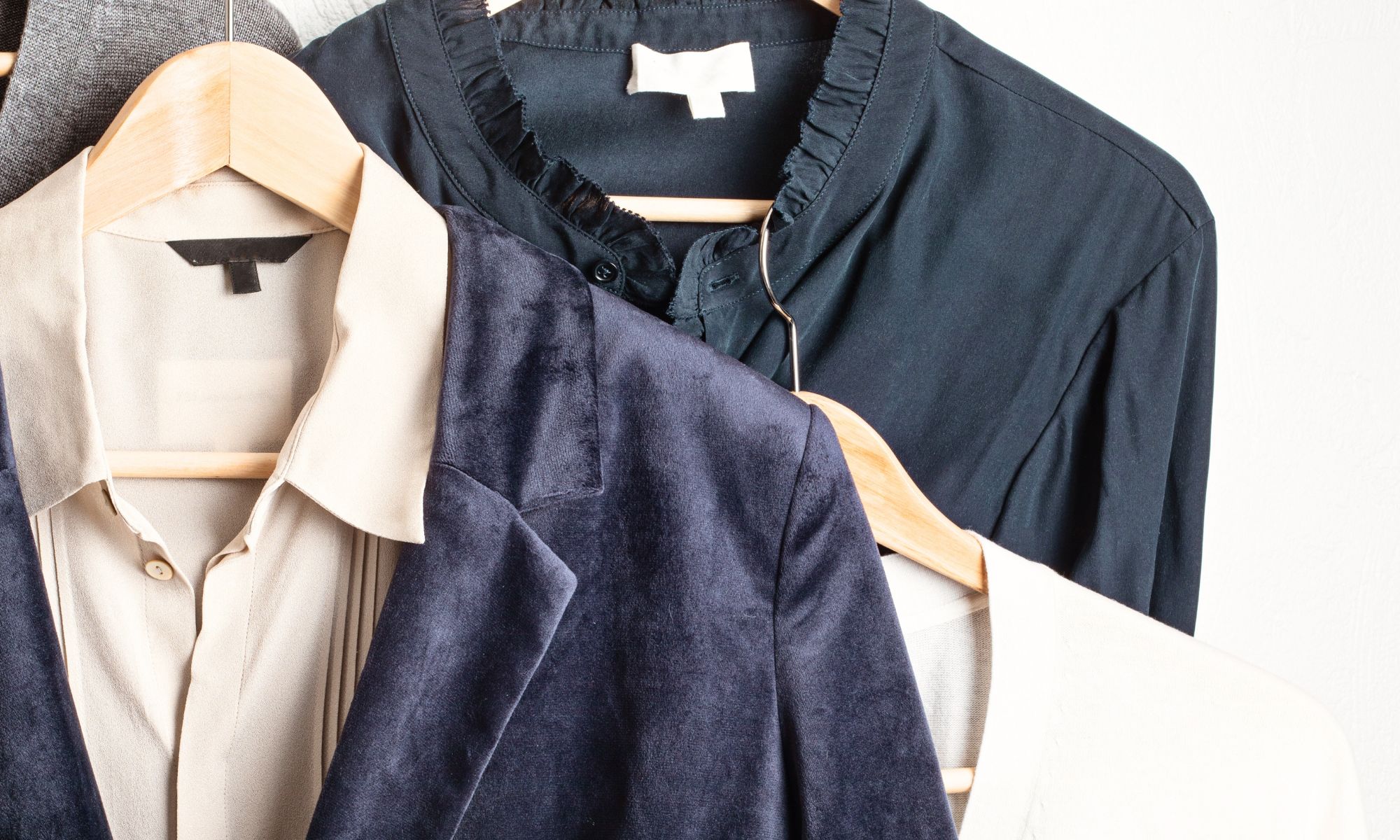
There’s a version of your closet you’ve never actually seen.
Not the one you scan at 7am, half-dressed and already behind. That closet holds about six outfits. The rest is scenery.
I spent years standing in other women’s closets, and the pattern almost never changed. They owned enough to build twice the outfits they were wearing. The clothes weren’t the problem. They’d just stopped seeing them.
Here’s why. We repeat what works because repeating is fast. The blouse goes with those trousers. The blazer is what you put on for meetings. Those shoes belong to that one category and never cross over. When life is full, speed wins every time.
And over time, every piece gets a label. This is work. This is weekend. This is dressy. Once a piece is labeled, it stops being considered for anything else. It’s still hanging there. You just don’t see it anymore.
Shopping your closet is how you take the labels off. It shows you combinations you’ve been walking past, and it tells you, with real evidence, what would actually strengthen your wardrobe before you spend another dollar.
This works the same whether you’re fine-tuning a closet that’s already close to right, or starting over after your body or your life changed. The process doesn’t care why you’re standing in front of it. It only cares what’s actually hanging there.
Start with an edit, or none of this works
Don’t shop your closet until you’ve cleaned it out.
If you build outfits around pieces that don’t fit or don’t reflect how you dress now, you’re working from bad information. Outdated, ill-fitting, and aspirational pieces distort your sense of what you own. They make your closet look full while your outfits stay thin.
Work category by category and ask three questions:
- Does this fit comfortably right now?
- Does this reflect how I dress today?
- Will I realistically wear this several times this season?
If the answer is no, it comes out of the active wardrobe. If you want the full framework, start with my guide to closet clean out tips that actually work. That step comes first for a reason.
Editing isn’t minimalism. It’s accuracy. Accuracy is what makes everything after this possible.
Organize so you can actually see it
Category first, color second.
That’s it, but the effect is bigger than it sounds. When similar shapes and tones live next to each other, combinations jump out. You can see how many structured layers you own, which is usually fewer than you think. You can hold a pair of shoes against four outfits instead of one.
If you have the space, keep a small section staged for the week ahead. Seeing the outfits hanging there, already assembled, removes the 7am decision entirely.
Find your anchors
Pull out what you actually wear. The jeans that always work. The trousers that fit beautifully. The blazer that sharpens everything it touches. The flats you reach for without thinking.
Those are your anchors. They’re not trend pieces. They’re dependable shapes that flatter you and fit your real life, and strong wardrobes get built by repeating and refining them, not replacing them every season.
When an outfit feels slightly off, it’s usually missing structure. An anchor fixes proportion. It grounds the softer pieces and pulls a combination together.
If you’re not sure your foundation is right, my Wardrobe Essentials Guide covers the core categories that let a closet function without excess. And if you feel directionless about what you’re even reaching for, go back to How to Define Your Personal Style first. It’s hard to build combinations when you haven’t decided what you’re building toward.
Build outfits for the life you actually have
Now put together complete looks from what’s in front of you.
Start with your calendar. Real workdays, real social plans, travel, errands. If it isn’t something you actually do, it doesn’t need a dedicated outfit. Nobody needs a gallery opening look for a life that doesn’t include gallery openings.
Take one anchor and build around it. The blazer is the structure. The trousers are the base. Good denim will carry three different looks on its own.
Then change one thing at a time. Swap the shoes before you scrap the outfit. Define the waist if the proportion feels heavy. Add structure if it feels soft. Most outfits don’t need reinventing. They need one adjustment.
Photograph the ones that work and keep them in a dedicated album on your phone. That album becomes your own styling reference, and it does the thinking for you on the mornings when you have none left.
You don’t need a wardrobe app with every piece logged and categorized to get this benefit. Most of those get downloaded, filled in for a weekend, then abandoned, because cataloguing an entire closet is a chore and keeping it current is another one. A phone album of outfits you already love takes five minutes, and you’ll actually open it.
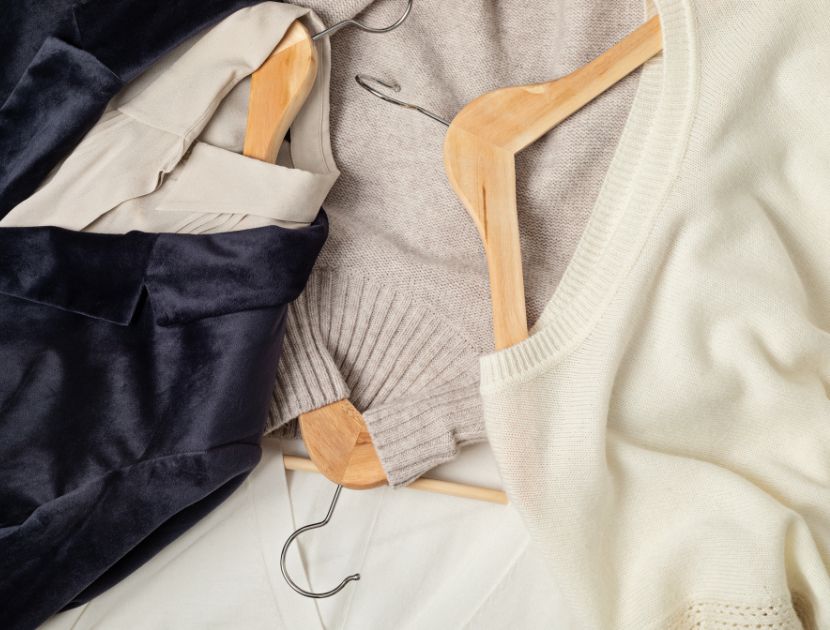
The point where most people go wrong
Early in my styling career, I watched clients try to stretch a new purchase into as many outfits as possible. It was always a justification exercise. Six ways to wear it meant the purchase was smart.
On paper, the combinations multiplied. In the room, the looks got weaker with every one.
Most pieces have three or four strong styling options. After that, you’re forcing it, and you can feel it. The right question was never how many outfits can I make with this. It’s how often will I actually reach for it.
So expand past your default pairings, because that’s where the overlooked outfits are hiding. But stop when it stops feeling strong. The goal is uncovering combinations, not manufacturing them.
The right question was never how many outfits can I make with this. It’s how often will I actually reach for it.
Now you can see what’s missing
After you’ve built a dozen real outfits, the patterns show up on their own.
Some looks stall in exactly the same place. A few feel repetitive because they lean on the same base piece. One category feels thin every single time you open the closet.
That’s the information you came for. Common gaps look like this:
- No structured layer to sharpen softer outfits
- Nothing mid-weight for the in-between weeks
- Basics that are worn out and dragging down otherwise strong looks
- A shoe category that’s dated enough to weaken multiple outfits
A gap isn’t something you want. It’s something your wardrobe keeps struggling without. There’s a difference, and repetition is how you tell them apart.
The three-piece test
Before you buy anything, one question:
Does this strengthen at least three pieces I already own?
Not can I imagine three theoretical outfits. Does it improve combinations that already exist in my closet, today.
If it sharpens several looks, it’s filling a real gap. If it completes exactly one outfit, it’s a distraction wearing a very good disguise.
Buy to reinforce the wardrobe, not to finish a single look. That’s the whole difference between strategic spending and accumulation.
Buy to reinforce the wardrobe, not to finish a single look.
Before you replace it, refine it
If something fits but feels slightly off, fix it before you go looking for its replacement.
Shorten sleeves that swallow your frame. Adjust a hem so the proportion reads intentional. Take in a waist to restore the shape. Upgrade the shoes and watch a five-year-old outfit look current again.
Most wardrobes don’t need more pieces. They need sharper execution. My Clothing Alterations Guide breaks down what’s actually worth tailoring and when the math makes sense.
What you’re really doing here
You’re not organizing. You’re taking inventory of what you already paid for.
The outfits get easier. The purchases get intentional, because you’re adding to something instead of collecting isolated looks. And getting dressed stops being a daily negotiation.
Edit honestly. Build from your anchors. Buy only what strengthens what’s already there.
Now tell me: what’s the one anchor piece in your closet you reach for without thinking? I want to know if it’s the same three things across the board, because I suspect it is.
Common Questions About Shopping Your Closet
What does it mean to shop your closet?
It means building new outfits from pieces you already own instead of buying new ones, by editing, organizing, and recombining what’s already hanging in your closet before you spend another dollar.
How often should you shop your closet?
Do a real pass whenever the season changes, or right before you shop retail, whichever comes first. Most people only need a few focused hours to rediscover several outfits they’d stopped seeing.
Do I need an app to shop my closet?
No. A phone photo album of outfits that already work does the same job as a wardrobe app, without the upkeep that makes most people abandon those apps within weeks.
What is a shop-your-closet challenge?
It’s a set period, often a week or a month, where you commit to building every outfit from what you already own instead of buying anything new. It works best after you’ve already edited and organized, not before.
You Might Also Like




Want everything I recommend in one place?
Shop my trusted recommendations
ShopMy is where I save and organize the pieces I consistently recommend, including wardrobe staples, standout finds, and brands I have researched, worn, or genuinely trust. Everything here reflects my years of experience in personal style and the same thoughtful approach I use across The Well Dressed Life.
If you are looking for something specific, or want reliable options without the overwhelm, this is where I start.
Browse my ShopMy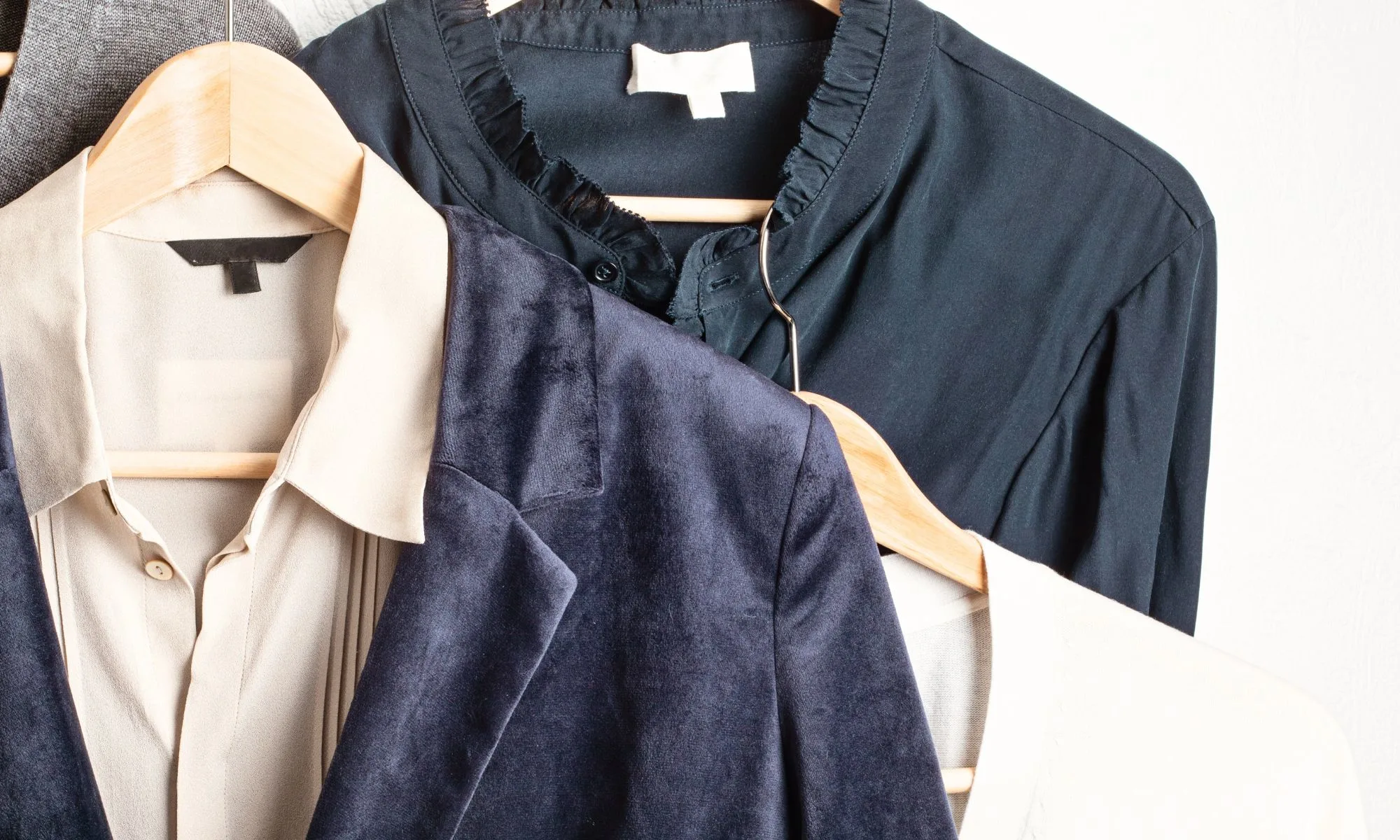
Leave a Comment