

How to Dress Your Body Shape: What Actually Looks Good

If you’re trying to figure out how to dress for your body type, the goal isn’t to hide anything or follow a set of outdated rules. It’s to understand proportion so your clothes actually work with your shape, not against it.
Once you know how to create balance in an outfit, getting dressed becomes easier, shopping becomes more intentional, and you stop blaming your body for pieces that were never designed for it.
If you’re trying to figure out how to dress for your body type, this guide will show you exactly what works and why.
Below, you’ll find simple, real-life guidelines for what to wear based on your body shape—so you can build outfits that feel balanced, flattering, and easy.
Jump to your body shape:
- Rectangle
- Apple
- Hourglass
- Pear
- Inverted Triangle
What Dressing for Your Body Type Is and Is Not
Dressing for your body type is not about correcting your body. It is not about minimizing parts of yourself or trying to look like someone else. It is not about fitting into a narrow definition of what looks good.
It is about understanding proportion so your outfits feel intentional instead of accidental.
When something feels off in an outfit, it is not because there is something wrong with your body. More often, the proportions of the clothing do not align with your frame, your comfort needs, or the way you move through your day.
A Note on Bodies, Time, and Real Life
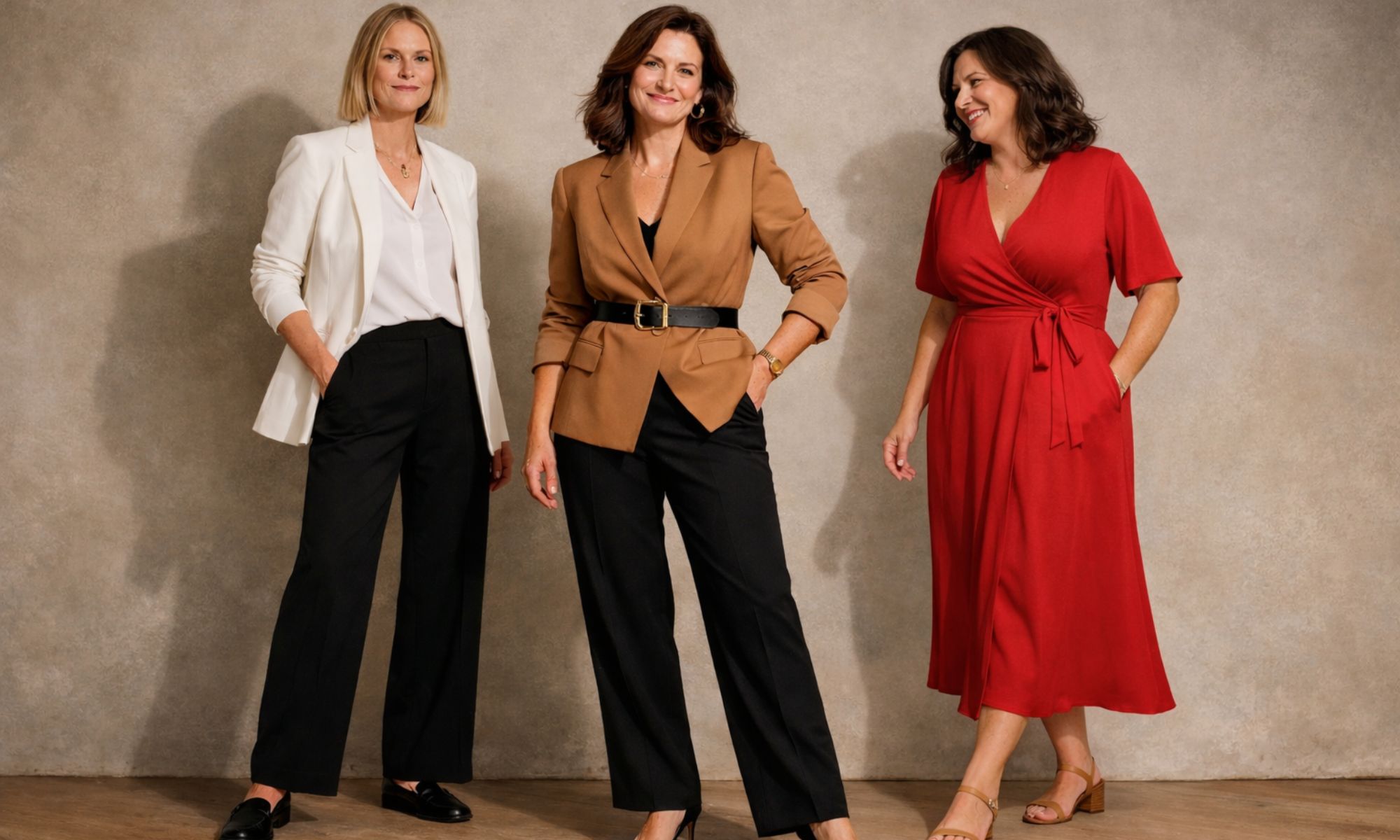
Bodies change over time, not only in size, but in where weight is carried and how proportions distribute across the frame. Those physical shifts affect how garments sit, where seams land, and which silhouettes feel balanced.
At the same time, life changes what you need from your clothes. Work, caregiving, health, and daily routines influence how much structure, movement, or ease feels realistic.
This is why advice that once felt effortless can later feel wrong, even when measurements have not changed significantly. The issue is often not your body, but a mismatch between older style assumptions and your current physical and lifestyle realities.
This guide assumes your wardrobe should support both. Proportion helps clothing work with your body, and thoughtful design choices help clothing work for your life.
Why This Guide Focuses on Proportion, Not Bodies
Understanding where visual weight tends to sit on your body makes it easier to choose silhouettes that feel intentional instead of accidental.
Body Shape Proportion Map
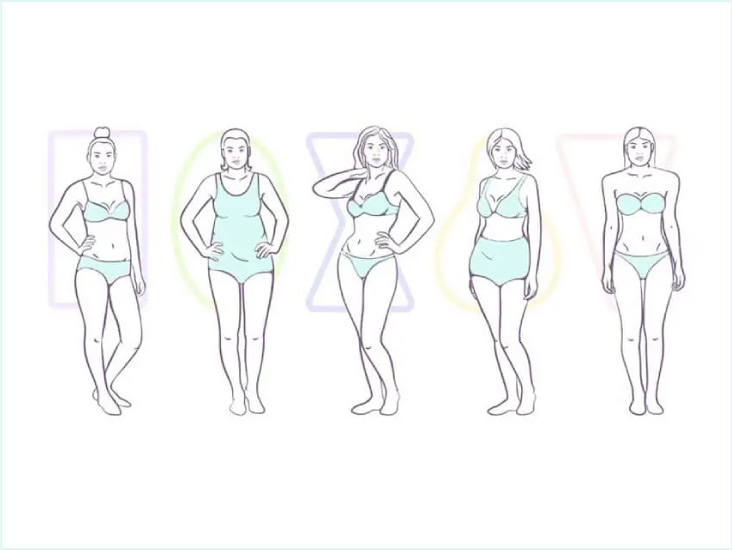
This visual shows where proportion and “visual weight” typically sit across the upper body, waist, and lower body. It’s about balance, not size.
Rectangle
Styling focus: Add definition and dimension.
Round (Apple)
Styling focus: Create length and movement.
Hourglass
Styling focus: Follow your natural lines.
Pear (Triangle)
Styling focus: Balance upward.
Inverted Triangle
Styling focus: Ground the silhouette.
Tip: If you’re between two shapes, use the one that best explains where clothes tend to pull, cling, or feel unbalanced—then borrow from the other.
You will notice that this guide focuses on proportion, balance, and how clothing behaves rather than ranking bodies or presenting an ideal way to look.
That choice is intentional.
Body shape is not a value judgment. It is simply a way to describe how visual weight is distributed so clothing can work more effectively. When advice centers on fixing or comparing bodies, it often creates pressure instead of clarity.
The focus here stays on the clothes. Visuals, formulas, and examples are used to explain why certain silhouettes tend to work better for certain proportions. They are tools, not rules.
The Theory Behind Dressing for Your Body Type
At its core, body-type dressing is about visual balance.
Clothing creates lines, volume, and emphasis. Where that emphasis lands affects how the eye moves across your body. The goal is not to change your body, but to choose silhouettes that feel harmonious and intentional.
Once you understand these ideas, individual recommendations stop feeling arbitrary.
Three principles guide every recommendation
How visual weight is distributed from top to bottom.
Where structure or softness is introduced.
How clothing shapes relate to your natural frame.
How to Use This Guide Without Becoming Rigid
Think of your body type as a starting point, not a rulebook.
Use it to understand why certain silhouettes consistently work, to recognize patterns in what you wear on repeat, and to make faster decisions when shopping.
Ignore it when a piece genuinely feels great, when comfort or lifestyle matters more in that moment, or when your personal style calls for experimentation.
The goal is clarity, not perfection.
How This Saves You Time and Money
Understanding proportion removes self-blame from the shopping process.
Instead of wondering why something never looks right on you, you begin to recognize when a silhouette is simply not designed for your proportions.
That shift helps you walk away from impulse buys more easily, stop forcing pieces to work, and build a wardrobe where outfits come together with less effort.
When you understand proportion, you do not need more clothes. You need fewer, better-aligned ones.
Quick Styling Guide by Body Type
If you already know your body type, start here. These are the core proportion principles that guide every recommendation below.
These are the most flattering outfit ideas for each shape at a glance
Rectangle Body Type Styling Tips
- Add waist definition with belts, tailored jackets, or wrap silhouettes
- Use layering and texture to create visual dimension
- Choose pieces with subtle structure to avoid a flat silhouette
- Avoid overly boxy cuts that remove shape entirely
Round (Apple) Body Type Styling Tips
- Create vertical lines with open layers and longer hemlines
- Choose structured shoulders to balance the upper body
- Look for movement through fabric rather than cling
- Avoid heavy visual breaks at the midsection
Hourglass Body Type Styling Tips
- Follow your natural waist instead of disguising it
- Choose silhouettes that echo your natural lines
- Keep volume balanced between top and bottom
- Avoid shapeless cuts that hide proportion
Pear (Triangle) Body Type Styling Tips
- Add visual emphasis to the upper body with detail or structure
- Choose darker or streamlined bottoms for balance
- Look for jackets that hit at the natural waist
- Avoid excessive volume at the hips unless intentionally styled
Inverted Triangle Body Type Styling Tips
- Add volume or texture below the waist
- Keep the upper body clean and uncluttered
- Try wide-leg, A-line, or softly structured bottoms
- Avoid overly padded shoulders or excess upper-body detail
How to Determine Your Body Type
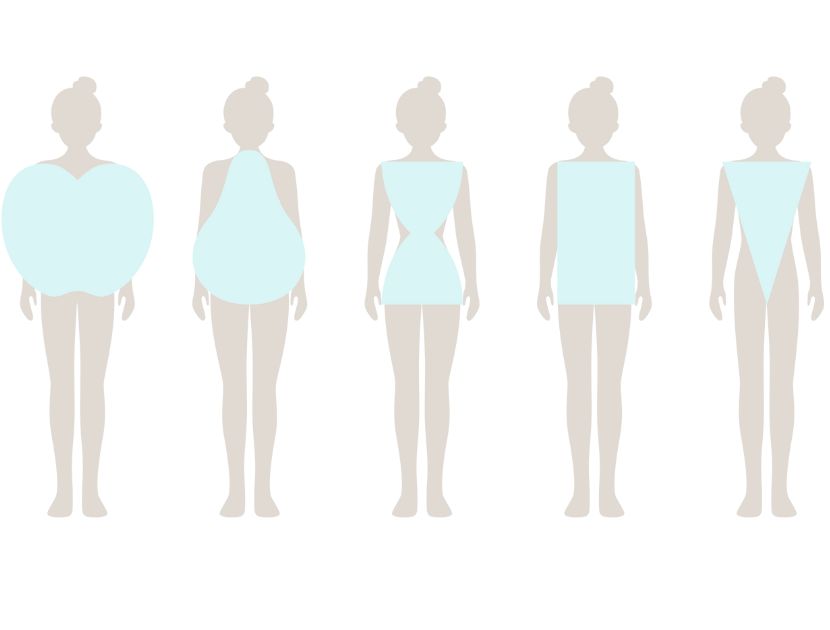
If you like having a concrete reference point, measurements can help identify your dominant proportions. These formulas describe proportion, not size.
You only need four measurements: shoulders, bust, waist, and hips. Use the measurement that best represents your upper body when noted. You do not need to match a formula perfectly for it to be useful.
1. How do your shoulders compare to your hips?
Enter your measurements (inches or cm, just be consistent):
How to Dress a Rectangle Body Shape
A rectangle body shape has shoulders and hips that are similar in width, with subtle waist definition.
Clothes tend to fit evenly on this shape, but can lack structure or visual interest without intentional design choices.
Because the frame is naturally balanced, small design details have an outsized impact on how intentional an outfit feels.
Rectangle (straight) body shape
Use this when shoulders and hips are similar in width with little waist definition.
Measure shoulders, bust, and hips.
Divide waist by shoulders or bust.
Compare your result to the threshold.
Example
How to Dress a Round or Apple Body Shape
A round body shape typically carries more visual weight through the midsection, with slimmer hips or legs.
This shape often benefits from silhouettes that encourage the eye to move vertically rather than stopping at the waist.
Understanding proportion here helps shift emphasis away from any single area and create a sense of flow and ease throughout the outfit.
Round (apple) body shape
Use this when the waist carries more visual weight than shoulders or hips.
Measure waist, shoulders, and bust.
Divide waist by shoulders or bust.
Compare your result to the threshold.
Example
How to Dress a Hourglass Body Shape
An hourglass body shape has shoulders and hips that are similar in width, with a clearly defined waist.
This shape often looks best in silhouettes that follow the body’s natural lines rather than disguising them.
Because the proportions are already balanced, the goal is not to add contrast but to support and maintain that natural harmony.
Hourglass body shape
Use this when shoulders and hips are balanced with a clearly defined waist.
Measure waist, shoulders, and hips.
Divide waist by shoulders and hips.
Compare both results.
This works because a clearly defined waist measures noticeably smaller than both the shoulders and hips, creating natural balance through the torso.
Example
How to Dress a Pear or Triangle Body Shape
A pear body shape has hips that are wider than shoulders, often with a defined waist.
This shape benefits from creating visual balance between the upper and lower body.
When proportion is understood, clothing choices can distribute visual weight more evenly, allowing the silhouette to feel intentional rather than bottom-heavy.
Pear (triangle) body shape
Use this when hips carry more visual weight than shoulders or bust.
Measure hips and shoulders or bust.
Divide hips by shoulders or bust.
Compare your result to the threshold.
Example
How to Dress a Inverted Triangle Body Shape
An inverted triangle body shape has shoulders or a bust that are wider than the hips.
This shape often feels strongest when visual emphasis is grounded below the waist.
Understanding proportion here allows the silhouette to feel balanced by shifting attention downward, rather than competing with the upper body’s natural presence.
Inverted triangle body shape
Use this when shoulders or bust carry more visual weight than the hips.
Measure shoulders or bust and hips.
Divide shoulders or bust by hips.
Compare your result to the threshold.
Example
Styling focus
Grounding the silhouette. Keeping the upper body clean while adding volume, texture, or presence on the bottom creates balance.
Explore Each Body Type in Detail
- How to Dress a Rectangle Body Shape
- How to Dress a Round or Apple Body Shape
- How to Dress an Hourglass Body Shape
- How to Dress a Pear or Triangle Body Shape
- How to Dress an Inverted Triangle Body Shape
Can You Be More Than One Body Type
Yes. Many women sit between categories or shift slightly over time.
Start with the shape that best explains how clothes tend to behave on your body. Borrow from others as needed. Use this as information, not identity.
Universal Principles That Apply to Every Body Type
No matter your body shape, a few principles consistently make the difference between outfits that feel frustrating and ones that feel effortless.
Fit matters more than size. Clothing that fits your body as it is will always look better than clothing chosen to achieve a number on a tag.
Fabric affects how a garment behaves. The same silhouette can feel completely different depending on weight, drape, and structure.
Confidence comes from comfort and clarity. When clothes support your movement, your day, and your sense of self, confidence follows naturally.
Putting Proportion Into Practice
Dressing for your body type is about understanding how proportion and balance shape the way clothes behave on your frame.
When that understanding is in place, getting dressed becomes simpler. Shopping decisions feel more intentional. Outfits come together with less effort because you’re choosing silhouettes that already work with your proportions instead of fighting them.
Use this guide as a foundation. Let it inform your choices, then adapt it until your wardrobe reflects both your body and the life you are living now.
Continue building a wardrobe that actually works
If this guide helped you understand proportion, these posts apply it to your specific shape and the fit details that make outfits feel intentional.
- How to Dress a Rectangle Body Shape
- How to Dress a Round (Apple) Body Shape
- How to Dress an Hourglass Body Shape
- How to Dress a Pear (Triangle) Body Shape
- How to Dress an Inverted Triangle Body Shape
Frequently Asked Questions About Dressing for Your Body Type
Can your body type change over time?
Yes. While your overall bone structure stays the same, where you carry visual weight can shift over time due to hormones, age, muscle changes, pregnancy, or lifestyle. Even small shifts in proportion can affect how clothing fits through the waist, hips, or shoulders. If outfits that once felt easy now feel off, it may be worth reassessing your dominant proportions.
Can you be more than one body type?
Many women fall between categories. Body type is a tool for understanding proportion, not a rigid identity. If you see yourself reflected in two shapes, start with the one that best explains where clothing tends to pull, cling, or feel unbalanced. Then borrow selectively from the other. The goal is clarity, not classification.
Is body type the same as body shape?
The terms are often used interchangeably. Both describe how visual weight is distributed across the shoulders, waist, and hips. Some resources use “body shape” while others use “body type,” but the principle is the same: understanding proportion helps you choose silhouettes that feel balanced and intentional.
Does height affect your body type?
Height affects vertical proportion but not horizontal distribution. A petite pear and a tall pear share similar balance principles through the shoulders and hips, but may need different hemlines, rises, or scale adjustments. Think of body type as width balance and height as length balance. Both matter, but they influence styling in different ways.
What if I don’t want to dress to “balance” my body?
Dressing for balance is an option, not an obligation. Some women prefer to emphasize the areas they naturally carry visual weight. Others prefer to soften contrast. Understanding proportion simply gives you control. You can use that knowledge to create harmony or to intentionally disrupt it based on your personal style.
Why don’t some recommended silhouettes work on me?
Fit, fabric, and lifestyle matter just as much as proportion. Two women with the same body type can have completely different comfort preferences and daily routines. A silhouette that works in theory may fail in execution if the fabric is too stiff, too clingy, or poorly tailored. Body type is a starting point, not the only factor.
Do I have to follow these guidelines every time I get dressed?
No. These principles are meant to simplify decisions, not restrict them. When you understand why certain shapes tend to work, you can choose when to follow that guidance and when to ignore it. Personal style includes experimentation. The framework is there to support you, not limit you.
You Might Also Like
Want everything I recommend in one place?
Shop my trusted recommendations
ShopMy is where I save and organize the pieces I consistently recommend, including wardrobe staples, standout finds, and brands I have researched, worn, or genuinely trust. Everything here reflects my years of experience in personal style and the same thoughtful approach I use across The Well Dressed Life.
If you are looking for something specific, or want reliable options without the overwhelm, this is where I start.
Browse my ShopMy


Can’t wait to see about the inverted triangle! In the last few months, I’ve finally taken the time out to understand my shape and what looks best on me, and why.
What do I dress as since my extreme hourglass all my life if I have gained weight in my buns and belly in my mid-fifties??!! I know I should emphasize my waist but not with belts, I’ve decided, but with how a blouse or jacket is fitted toward the waist!! I keep all horizontals up high!! I wear interesting jewelry!! I am on a walker so I wear long skirts (I look much taller and thinner) and I wear shoes that match my hemlines(neutrals) so people don’t notice my legs or feet!! Any other idea’s? Thank you!! Have a very blessed Merry Christ-mas!!
Loved the information but how do we access the “how to dress…” part? The link goes nowhere.
Thank you!
Thanks for letting me know. I just fixed the links!
I enjoy reading about all the knowledge you share. Thanks. I am an older woman who certainly can learn more. I am more round in this journey in life. This has been very helpful.
I couldn’t find the link for the inverted triangle advice?
I did the math. I have no idea if I am a rectangle or a pear.
I am between an hourglass and inverter triangle. My bust and hips are the same size.
I appreciate this article. I just turned 60 in January; not knowing when you will get this, today we are in June. I have a pear shape . Because of a stroke 32 years ago, I have a blind eye, a balance problem and can’t wear heels . Thankfully, I know what colors to wear. I weigh 135 and I’m 5’1”. Currently, I wear size 10 pants when bought from a consignment shop and my shirts are medium. I’m telling you all this to ask what style pants I should wear since my thighs are bigger than I wish they were. Until I was in my 40s or 50s, I was probably 10-15 lbs lighter. I’m asking what pants because I’m sure I already draw too much attention since my balance is off and my sight is not good. Oh, and are skirts just above the knee appropriate for my age?
Thank you.
I appreciate the body type scenarios, but I would love to see more suggestions for us women who need to camouflage their middle without looking frumpy and without the clothes looking too large, which is how I find myself looking.
I have struggled with this for a long time. Do broad shoulders count as the top of an hour glass figure? I definitely am NOT well endowed, so assumed I was a pear shape as my hips tend to be where I carry weight. However, I also have broad shoulders and a proportionately small waist. Am I an hour glass?
It’s so confusing. You wouldn’t be considered a typical hourglass but you would benefit from the tips for dressing with an hourglass and inverted triangle. Like I said in the piece you can straddle two different shapes 🙂
A fun article. I recently heard the pear shape referred to as the guitar shape. That was one I had never heard but more in the same language as the other shapes. [instead of being a fruit]
You should make this into an app!
Early in my life I was an hourglass, but trended into a rectangle at midlife as my waist expanded. I can’t seem to figure out flattering dress shapes for the current me.
Absolutely exciting information (as always!). I am eagerly looking forward to next week’s recommendations for my body type. THANK YOU for all you do to help us navigate the “real world.”
I’ve always considered myself to be classic pear proportions. I now have measurements indicating a pear/rectangle combo, since with aging my waist has thickened to be equal to my bust/shoulder measurement. I think I saw several in the comments who are rectangle combos. Is that bc waists can thicken as one ages? I proceeded to divide hips by bust; my number is 1.12 which is in line with what it’s always been. Basically, I’m a pear less waist definition or a rectangle sitting on top of a pear. Ha! Fit of clothing is tricky. Jeans that fit in the hips create a muffin top—tops that accommodate my waist are too big in the shoulders and bust. Any suggestions on achieving well fitting clothing?
Thank you for all of your hard work on this, Megan. It’s very helpful.
Looking forward to the follow-up post on this topic!