

What to Do Before Buying New Clothes (So You Don’t Waste Money)

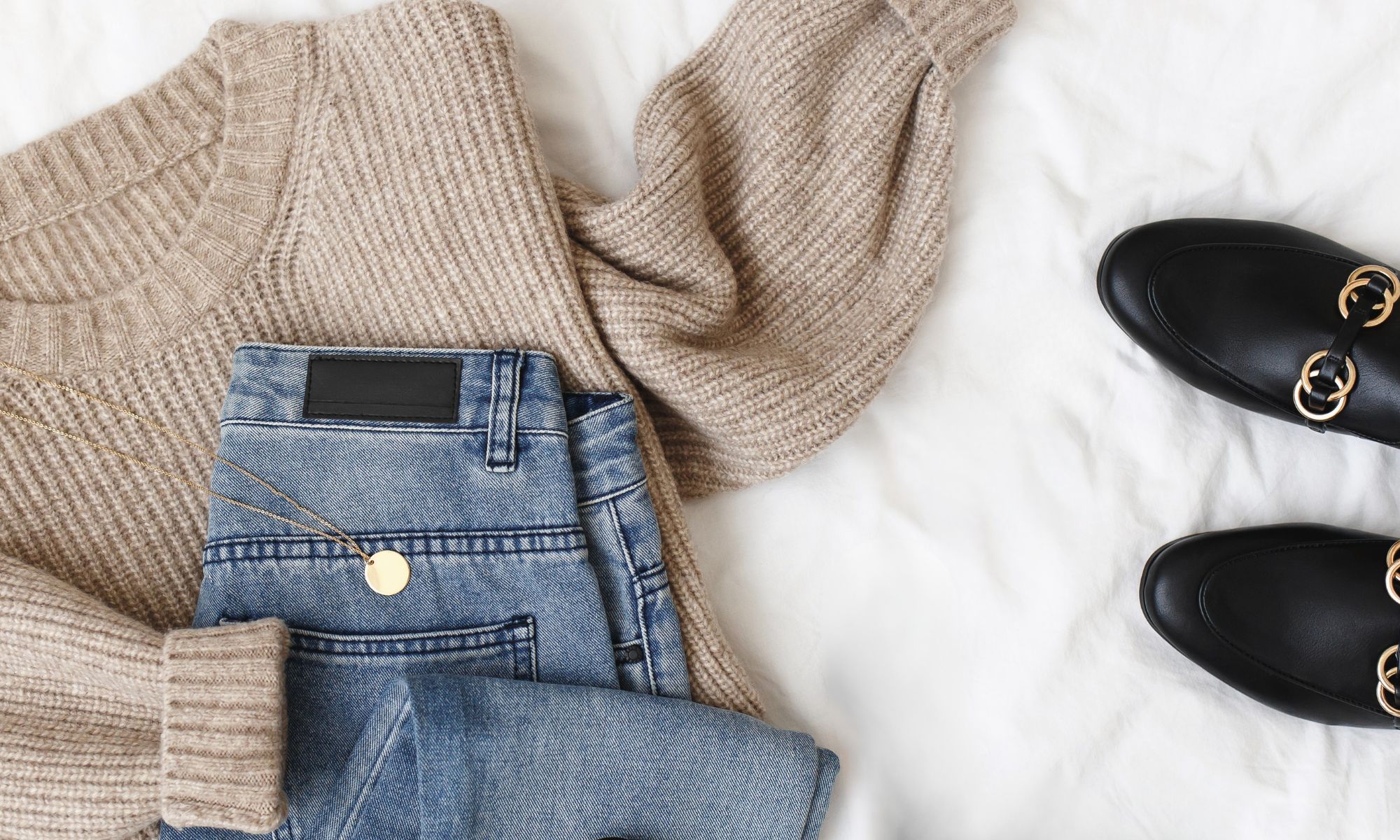
If you are planning to buy new clothes, start here.
Seasons change. Bodies change. Work shifts. Life evolves. Buying is not the problem.
Buying without clarity is.
In more than a decade working as a personal stylist, I can count on one hand the number of clients who genuinely needed an entirely new wardrobe. Most needed about 20 to 30 percent replacement. The rest was editing, better fit, and stronger decision-making.
Their closets were full. What was missing was cohesion.
Before you spend more, tighten the structure behind your choices.
Why a Closet Full of Clothes Still Feels Like Nothing to Wear
This is one of the most common frustrations I heard:
“My closet is packed, but nothing works.”
That usually meant one of three things:
The pieces did not work together.
The wardrobe no longer reflected their current life.
The fit was slightly off across multiple categories.
Volume is not the issue. Alignment is.
When you shop without diagnosing the disconnect, you layer new pieces on top of existing confusion.
Why Smart Women Still Waste Money on Clothes
Overspending on clothing rarely happens because someone lacks discipline. It happens during transition.
You shop when:
- You feel disconnected from your wardrobe.
- You are entering a new season.
- Your body has changed.
- Your schedule has shifted.
- You are tired of feeling unfinished when you get dressed.
Buying feels productive in those moments. It feels like progress.
But without standards, editing, and alignment, new purchases rarely solve the underlying problem.
The issue is not quantity. It is decision quality.
Step 1: Get Specific About What Is Not Working
“I have nothing to wear” is not a useful diagnosis.
Look closer.
Common patterns I saw repeatedly:
- You own too many similar pieces and lack range.
- Your closet reflects an old version of your life.
- Your fit strategy has not evolved with your body.
- You buy trends but lack strong foundations.
- You have basics but nothing that finishes an outfit.
Be precise.
- “I have five pairs of jeans but no structured pants.”
- “I own dresses for events but nothing polished for everyday.”
The clearer the problem, the more efficient the solution.
Most clients did not need a brand-new wardrobe. They needed clearer standards, better fit, and fewer scattered purchases. That is what this framework fixes.
Step 2: Define Your Standards
Before you shop, define how you want to feel in your clothes right now.
- Choose three words that describe how you want to feel in your clothes right now.
- Eliminate anything that does not support those words.
- Use those three words as your filter when shopping.
These are not aesthetic labels. They are purchasing standards.
When I worked with clients, this step changed their buying behavior immediately. Without standards, everything feels possible. With standards, most options eliminate themselves before you even try them on.
Your three words should guide proportion, fabric, silhouette, and finish.
If your words are polished, modern, structured, a thin, slouchy knit with no shape is not aligned, even if you like the color.
You may find entire stores no longer make sense for you. That is clarity, not restriction.
If you need help defining your personal style, start with How to Define Your Personal Style.
Step 3: Audit Your Real Life

Open your calendar.
- Look at a real week, not an ideal one.
- List your top 3 lifestyle buckets (work, errands, home, travel, events).
- Check whether your closet supports those buckets proportionally.
Now evaluate your closet against that reality.
One consistent imbalance I saw was wardrobes built for occasional moments and underbuilt for daily life. Another was closets filled with comfortable pieces that lacked structure, leaving women feeling unfinished.
If your closet does not reflect how you actually live, buying more will not fix it. Alignment will.
Mapping your lifestyle against your wardrobe exposes the imbalance quickly.
If your closet does not reflect how you actually spend your time, create a clear framework first. Start with How to Create a Lifestyle Diagram to Build a Wardrobe That Actually Works.
Step 4: Study What You Already Wear
- Pull your most-worn items from the last two weeks.
- Name why they work (fit, fabric, proportion, color, structure).
- Use that criteria as your baseline for new purchases.
Your closet contains data.
Most women overlook it because they assume they need something completely different. In practice, refinement is usually more powerful than reinvention.
If a specific rise works on you, buy that rise again. If a certain sleeve length balances your proportions, repeat it. If a structured jacket consistently sharpens your outfits, that is a signal.
Patterns in your real wear are more reliable than inspiration images.
Build around what already proves itself in your daily life.
Step 5: Edit Before You Add
You cannot identify true gaps in a crowded closet.
- Remove anything that does not fit comfortably right now.
- Remove anything that does not match your three standards.
- Remove anything that requires too much effort to wear.
Eou cannot identify true gaps in a crowded closet.
Editing clarifies proportion, repetition, and imbalance. It shows you what you overbuy and what you consistently avoid wearing.
With clients, editing always came first. Once excess was removed, shopping lists became shorter and more precise.
If you need a structured way to edit without regret, read How To Purge Clothes: 7 Mindset Shifts You Need to Edit Your Wardrobe before you shop.
Step 6: Create a Focused, Limited Shopping Plan
Now you are ready to shop.
- Write a list of true gaps (keep it short).
- For each gap, define the spec (color, rise, length, fabric, polish level).
- Stop when you have 3–6 items. If it is longer, go back and narrow.
Now you are ready to shop.
Not broadly. Not emotionally. Specifically.
For example:
- A structured navy blazer that works with denim and trousers.
- Straight-leg jeans in a darker wash with a mid-rise.
- Low-profile leather sneakers in a neutral tone.
- A lightweight knit for layering under jackets.
Specific purchases solve specific problems.
Vague shopping creates duplication.
A focused list prevents impulse buying because it forces evaluation against a clear need.
Keep the list tight. If everything feels essential, you have not narrowed the issue enough.
If everything feels essential, you have not narrowed the issue enough.
Step 7: Shop With Intention, Not Urgency
When your standards are defined and your gaps are clear, shopping becomes evaluative instead of emotional.
- Evaluate pieces against your standards before you evaluate price.
- Only buy what works with at least 3 outfits you already own.
- If you have to convince yourself, it is a no.
You are no longer asking, “Is this cute?”
You are asking, “Does this strengthen my wardrobe?”
That shift changes outcomes.
The right piece integrates easily. It works with multiple outfits. It supports how you actually live. You feel prepared instead of pieced together.
That is how cohesion is built.
Why This Approach Reduces Waste
Most wardrobe waste comes from:
Buying before editing.
Buying without standards.
Buying during transition without clarity.
Buying duplicates unintentionally.
When you correct those patterns, spending slows naturally. Purchases become more deliberate. Wear increases. Regret decreases.
That is how wardrobes evolve without constant overhaul.
Frequently Asked Questions
How do I update my wardrobe without buying everything new?
Start with editing and fit adjustments. In most cases, replacing worn foundations and filling real gaps has more impact than starting over.
Why does my closet feel full but I still have nothing to wear?
Because cohesion matters more than volume. Pieces that do not work together create friction, even if there are many of them.
Should I purge my closet before shopping?
You do not need a dramatic purge. You do need to remove items that no longer fit your body, your lifestyle, or your standards. Editing first prevents duplication.
How often should you refresh your wardrobe?
Seasonal evaluations are usually enough. Larger resets are necessary only when lifestyle or body changes significantly.
If you want to go deeper, continue with:
How to Find Your Personal Style
The Closet Clean-Out Method
How to Shop Your Closet Strategically
Where to Splurge, Spend, and Save in Your Wardrobe
Each expands on this framework and strengthens your long-term wardrobe strategy.
You Might Also Like
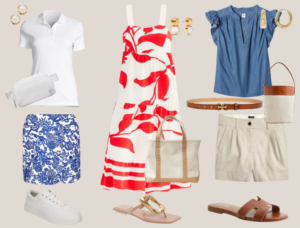

Want everything I recommend in one place?
Shop my trusted recommendations
ShopMy is where I save and organize the pieces I consistently recommend, including wardrobe staples, standout finds, and brands I have researched, worn, or genuinely trust. Everything here reflects my years of experience in personal style and the same thoughtful approach I use across The Well Dressed Life.
If you are looking for something specific, or want reliable options without the overwhelm, this is where I start.
Browse my ShopMy


Thank you for your inspirational posts
Spot on post, Megan! What I love about you is your ability to get at the core of anything (I relate strongly to that). Your guidance is meaningful and impactful. I appreciate you and what you and your team do so much. Thank you!
Thank you Meg !
We spend winter in Florida and summer in Michigan. So mostly I need warm weather clothes with a few jeans and sweaters. I have learned so much from you that I haven’t needed to buy much over the last couple of years.
You always have wonderful ideas and tips on how to keep my outfits looking fresh. THANK YOU !
I’d add — and probably right at the top of the list — that platforms like Instagram, TikTok, and YouTube are driving how people buy clothes. Along with influencers who have a huge impact, they’ve essentially become the new storefronts. You’re one yourself, so I’m surprised you didn’t include them
Social platforms absolutely influence how people shop. This piece isn’t about where the influence comes from though. It’s about having a clear filter before you buy, regardless of where you’re seeing it. The framework works whether you’re in a store or on Instagram.
As always, Megan, you make so much sense and identify the real issues. A wardrobe overhaul here is way overdue, I will be diving in for a purge very soon and rereading your guidance as a roadmap!
Thank you!
Karen x
Megan , you dia great job with helpful information! Thank you