
People assume a decade as a personal stylist meant glamorous clients, designer wardrobes, and dressing rooms full of $2,000 dresses. The truth was much more real, and far more interesting.
For ten years, I worked one-on-one with women of every age, shape, size, and lifestyle, most of them busy, everyday women living normal lives, not the glamorous clientele people picture. The real work was never about the clothes. It was about confidence, self-image, and the stories we tell ourselves every time we get dressed. Some had bigger shopping budgets than others, but often, hiring me was their splurge.
I helped them edit their closets, shop with intention, and create wardrobes that worked for real life. Over time, I built a framework that I’ve shared here on The Well Dressed Life so you can get the same results.
When I first started, I was 27 and expecting my first baby. I was still figuring out both my career and my life. In many ways, I grew up during that decade of styling. The women I worked with, especially the ones who stayed with me from the very beginning until I eventually stepped back, taught me as much as I taught them.

Now, at 46, with almost another decade of conversations with readers layered on top of those early years, these lessons remain the foundation of everything I share. They guide how I dress and how I help other women approach style.
Fashion can feel overwhelming and intimidating, but it doesn’t have to. These five lessons, learned in countless closets, still shape how I think about style, and how I feel about myself, every day.
1. You HAVE to Define Your Personal Style
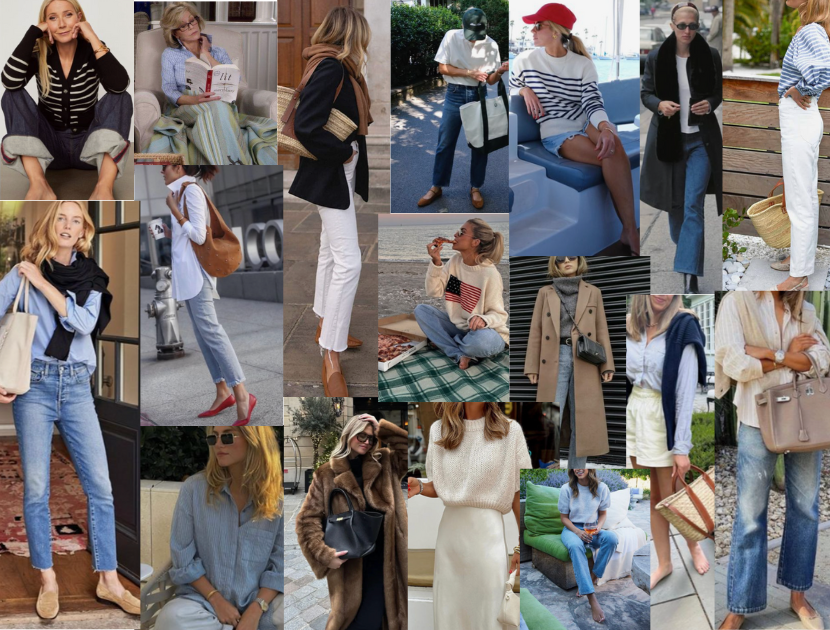
In all my years as a stylist, I never once worked with someone who could clearly verbalize her personal style, at least not at first. That’s exactly why the process always starts with a mood board: a broad, unfiltered collection of whatever catches her eye. The real work happens after, when we talk through why each piece made the cut and start noticing themes.
I once worked with a client whose mood board was a mix of bohemian maxi dresses and sleek tailored blazers, two looks that don’t naturally mix together. Rather than trying to force them into one aesthetic, we talked through why she’d pulled each image. The boho dress wasn’t really about the dress: what she loved was that she could throw it on and go, and how effortlessly confident the model looked wearing it. The blazer represented something different, a polish she admired but wasn’t sure she wanted for herself every day. Once we broke it down that way, her style stopped being about boho versus classic and became about ease, confidence.
That distinction, between what you appreciate and what you actually want to spend your life in, is the real starting point for defining your style. You can admire a look on someone else the way you’d admire it in a magazine, without ever wanting to wear it yourself. Ask yourself not just what you like, but why you like it, and whether it’s something you find harmonious to look at or something you want to live in every day. That’s the real work: not chasing a new look, but understanding the story you actually want to tell with what you wear.
If you need a place to start, I walk you through it step by step in this guide: How to Define Your Personal Style.
Even once you have a clearer sense of your style, it’s easy to get knocked off course by outside noise. Too often, women get stuck following other people’s rules. Maybe a friend once said, “That’s flattering on you,” or a salesperson insisted, “You can’t wear that.” Those comments can keep us locked into choices that don’t reflect who we are today.
The antidote is simple: start with a baseline. The exercise above gives you a language for what you like and why, so you’re not just reacting to outside noise. Once you have that foundation, you’re free to experiment. You will still buy things that don’t work, and that’s not failure, it’s information. Every “miss” helps refine what does work, and your style keeps moving and evolving from there.
Takeaway: Aim for curiosity. Experiment, edit, and allow your style to evolve with you.
2. Why Fit Is the Most Important Part of Style
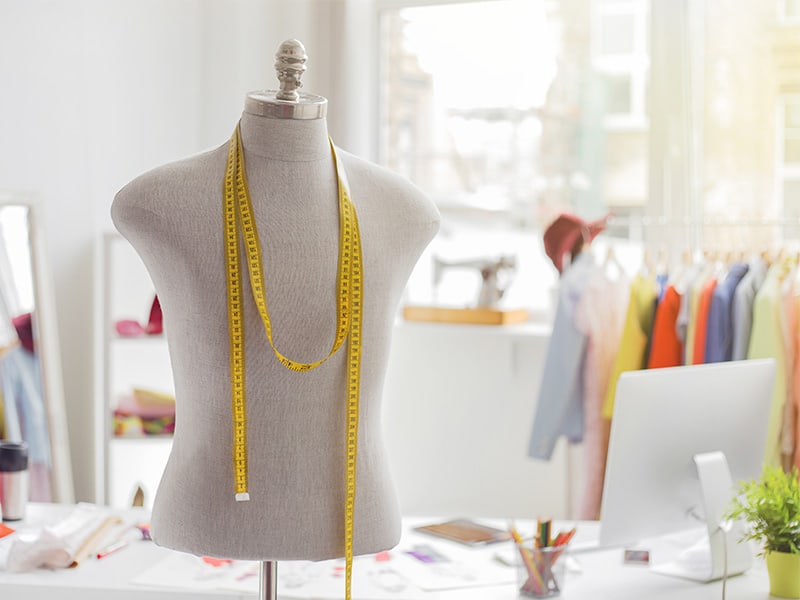
If I could only give one piece of advice, it would be this: fit is everything.
It doesn’t matter how expensive or well made a garment is. If it doesn’t fit, it won’t look good. I spent as much time pinning, hemming, and tailoring for clients as I did shopping for them. Small tweaks, like raising a hem, taking in a waist, or adjusting a sleeve, completely transformed how a piece looked and how my clients felt in it.
At one point, we had a tailor on our team, and it made all the difference. I knew what could be altered, and I could pin a piece so our seamstress understood exactly what I wanted. Some of my favorite moments came from “saving” something in a client’s existing wardrobe, like taking a hem up or down so she could wear her pants with her favorite shoes, or showing her in the dressing room how one minor tweak could make a piece look custom.
That’s the part I want you to take away. Understanding what alterations can do is empowering, because you have more control over how your clothes fit than you think. You’re not stuck with whatever the rack gives you.
A $50 blazer that’s tailored to your shape will always look better than a $500 blazer that’s ill-fitting. The right hem on pants can make your legs look longer. A dress that skims instead of clings can instantly make you feel more confident.
If you’re not sure where to begin, my Clothing Alterations Guide for Women breaks down everything you need to know to get the best fit possible.
Takeaway: Find a local tailor and don’t rely on your eye alone. Tailoring makes mid-range pieces look high-end and helps you stretch your wardrobe.
3. How to Balance Basics and Statement Pieces
Almost every client I worked with fell into one of two categories.
Some had too many basics. Their closets were filled with jeans, black pants, neutral cardigans, and plain tops. Useful, yes, but flat and uninspired, with nothing to spark joy.
Others had too many statement pieces. Their closets overflowed with bold patterns, trendy tops, statement shoes, and accessories, with no foundation to tie anything together.
Both situations lead to the same result: standing in front of a full closet with nothing to wear. The fix isn’t more clothes, it’s the right mix.
One client’s closet was almost entirely black, gray, and navy, beautifully made, perfectly fitting, and completely uninspired. She admitted she felt bored, like she looked the same every day. We added just a handful of pieces: a leopard-print flat, one sculptural necklace, a great red coat. The “boring” basics underneath stayed exactly the same, but suddenly her outfits looked intentional instead of just safe.
The reverse works too. Another client’s closet was wall-to-wall pattern and color, fun to look at, impossible to get dressed from. We anchored her statement pieces with a few real basics: dark denim, a great black pant, and a few plain tees. Suddenly her favorite bold pieces had something to play against instead of competing with each other.
The goal is balance, and in practice that usually looks like roughly 80 percent basics and 20 percent statement. Basics are the canvas: great jeans, a white button-down, a neutral shoe, a tailored blazer. Statement pieces are the brushstrokes, one patterned blouse, a pair of colorful flats, a standout necklace, that give the canvas a point of view. Wear too many brushstrokes at once and the eye doesn’t know where to land.
Takeaway: If your outfits feel boring, add one statement piece at a time. If nothing works together, invest in more basics first. Aim for roughly 80 percent foundation, 20 percent personality.
4. Why You Need to Let Go of Clothes That Don’t Serve You

I cannot count how many times I stood in a client’s closet, going back and forth over a piece she refused to part with. I would remind her, “You are paying me to help you let go,” and still, the struggle was real.
We attach so much to our clothes. Memories, goals, guilt. The dress bought for “someday.” The jeans from ten pounds ago. The blazer that never got worn but feels too expensive to donate. The sweater from your mom that you never liked but feel bad giving away.
There’s also a cost that has nothing to do with memories or guilt: physical clutter is mental clutter. Every piece you have to push past, consider, and reject before you find something to wear is a small decision, and those decisions add up. Multiply that by every morning, every school drop-off, every meeting you’re getting dressed for, and a closet full of clothes that don’t serve you isn’t just wasted space. It’s wasted energy you’re spending before your day even starts.
I’ll never forget the client who kept all the suits from her first job out of law school “just in case.” And sure, sometimes you do need something on hand. But she’d been a partner for over 20 years. There is no scenario where she would need the suits she wore right after passing the bar.
Here is the truth: you cannot move forward if your closet is filled with clothes that no longer serve you. Those pieces are not neutral. They hold you back. They remind you of who you were or who you think you should be, instead of supporting the woman you are right now.:
Takeaway: Edit ruthlessly. Keep only what fits your body, your lifestyle, and your current taste. Start with three pieces today to build momentum.
5. Stop Buying Exclusively on Sale
Everyone loves a good deal.
But one of the biggest, most consistent mistakes I saw clients make was shopping the sale rack first (sometimes exclusively), and everything else second. It feels smart in the moment, but over time it usually creates a closet full of random pieces that don’t work together. Most of those “deals” end up hanging there unworn, tags still attached.
What I came to realize is that this rarely had anything to do with money. Clients who could easily afford full-price pieces did it too. Shopping the sale rack first is often a habit of putting yourself last, choosing what’s discounted over what you actually want, the same way you might reflexively take the smaller portion or put off the appointment you need. It’s a small decision, repeated often enough, that says everyone and everything else comes first.
That mindset carries a real cost to your decision-making, too. Instead of buying what you truly love or what your wardrobe actually needs, you settle for whatever happens to be marked down. The result is a closet full of almost-right items that never really feel like you, and clothes that don’t feel like you are hard to feel confident in.
A client once proudly showed me her “amazing deals” from a weekend of sale shopping: eleven items, all under $20. When we laid everything out, it was a mismatch of perfectly fine pieces, but not one of them was on her shopping list of immediate needs. “You know,” I said, “if you took half of what you spent here, you could have bought the jeans you loved but thought were too expensive.” It was such a great real-life, real-time lesson. And that’s just what she did.
There’s nothing wrong with buying things on sale (I do it all the time), but it should never be your only strategy. Clothes that truly serve you are worth paying for, even at full price, and so are you. Focus on filling actual gaps in your wardrobe and choosing pieces with intention, and you’ll spend less in the long run while ending up with a closet you actually love.
Takeaway: Don’t build your wardrobe from the sale rack. Compromise leads to clutter, and the habit is rarely just about money. Buy with intention and let sales be a bonus, not the strategy.
The Real Lesson
The fashion industry will always push more trends, more rules, more noise. It wants you to believe great style is one purchase away. But after a decade of standing in other women’s closets, I can tell you it never is.
Building a wardrobe that works takes thought, time, and an open mind. If something feels off, if you keep getting dressed and not feeling like yourself, you have to be willing to do something different. That was true for every client I worked with. The change always started with shopping differently, letting go of what wasn’t working, and questioning habits they’d had for years.
The right clothes, fitted well and chosen with intention, have real power. They change how you carry yourself. They change how you feel and how you show up in the world. And that feeling is worth a bit of investment in yourself.
Quick Checklist: 5 Lessons from a Personal Stylist
- Buy with intention. Let sales be a bonus, not your only strategy, since compromise leads to clutter.
- Define your style. Stay curious, keep experimenting, and let your style evolve.
- Find balance. If your outfits feel boring, add one statement piece at a time. If nothing works together, invest in more basics first, aiming for roughly 80 percent foundation, 20 percent personality.
- Prioritize fit. A good tailor can make affordable clothes look high-end and expand your options.
- Edit often. Keep only what fits your body, your lifestyle, and your current taste.
You Might Also Like






Want everything I recommend in one place?
Shop my trusted recommendations
ShopMy is where I save and organize the pieces I consistently recommend, including wardrobe staples, standout finds, and brands I have researched, worn, or genuinely trust. Everything here reflects my years of experience in personal style and the same thoughtful approach I use across The Well Dressed Life.
If you are looking for something specific, or want reliable options without the overwhelm, this is where I start.
Browse my ShopMy
Leave a Comment