

How to Shop Like a Stylist

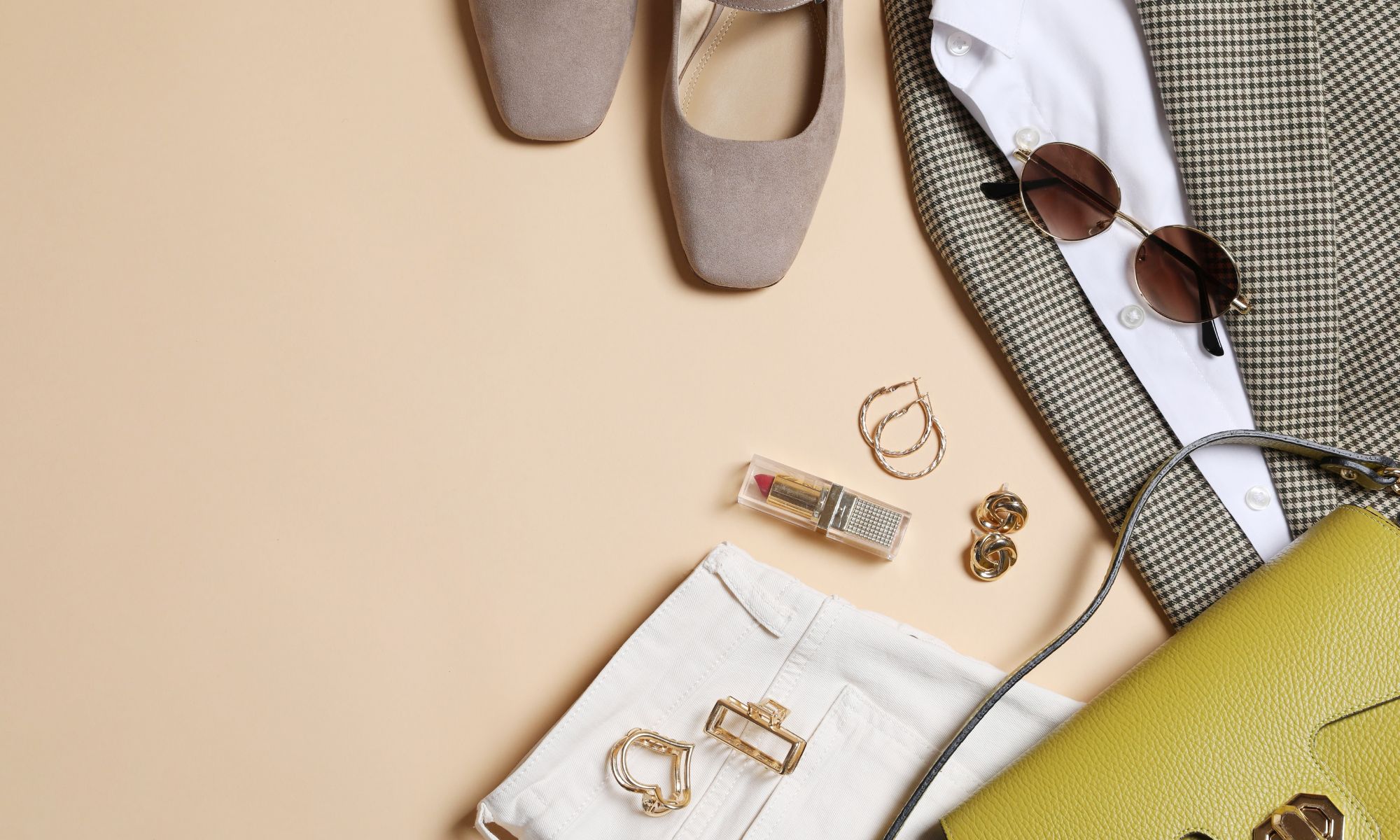
Most women think stylists are good at shopping because they know where to go.
That is not really the skill.
The real skill is filtering.
When I worked as a personal stylist, my job was not walking into stores and magically finding great clothes. My job was narrowing thousands of options down to the handful that actually worked for a client’s life, body, and style.
Today the problem is even bigger.
We are not just walking through a mall anymore. We are scrolling websites, Instagram, TikTok, email promotions, creator storefronts, and ads that seem to follow us across the internet.
There has never been more access to clothing.
There has also never been more noise.
A big part of what I do here at The Well Dressed Life is translate that noise. I look at trends, products, and new arrivals and filter them down to the few things that might actually make sense for women in real life.
Learning how to shop like a stylist means learning how to build that filter for yourself.
When you do, everything changes. You buy fewer things, wear more of what you own, and build a wardrobe that actually works.
Start With a Style Direction
Stylists never shop blindly.
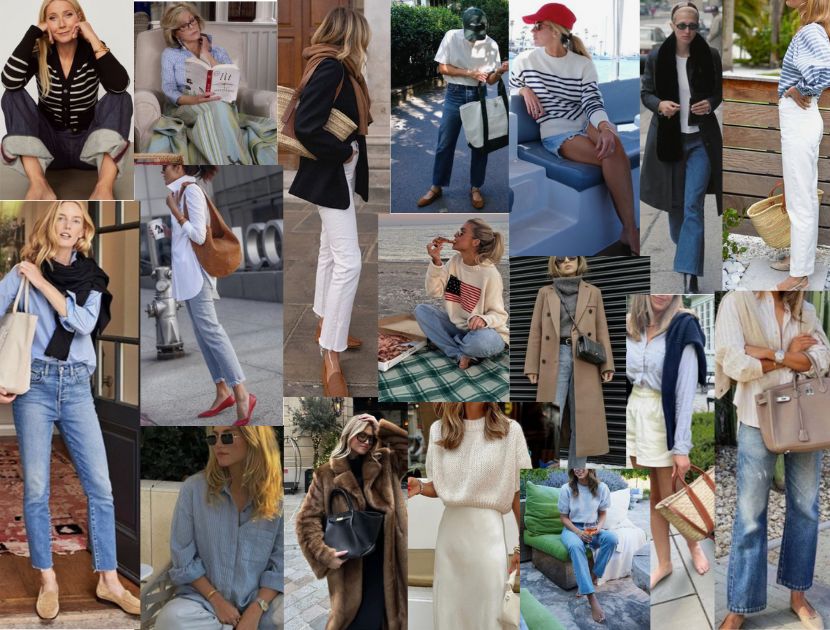
Before I ever walked into a store with a client, I already had a clear picture of the look we were building. I knew the colors she gravitated toward, the silhouettes she liked, and the overall tone of her wardrobe.
That clarity made shopping easier because most of what we saw could be eliminated immediately.
You can create the same filter for yourself.
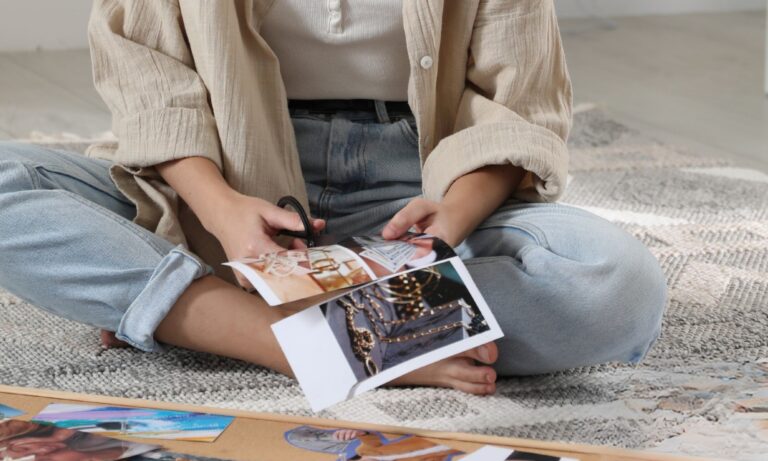
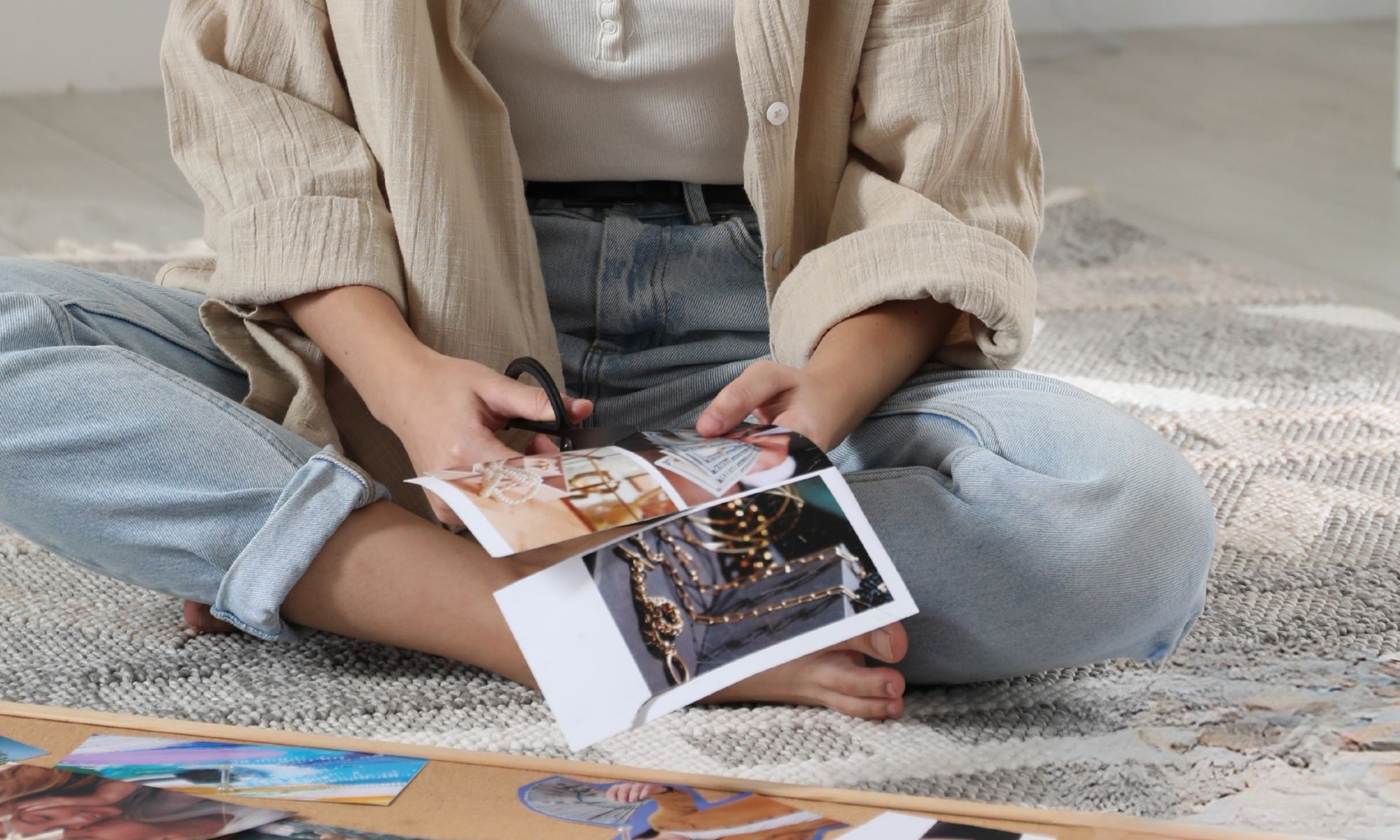
Start saving outfits you love on Pinterest or Instagram. Do not overthink it. Just collect images that make you pause.
After a while you will notice patterns. Maybe you lean toward simple outfits with strong accessories. Maybe you love relaxed tailoring. Maybe you are drawn to soft neutral palettes.
Those patterns become your guide.
If you want help defining this direction, I walk through the process in detail in my guide on how to create a personal style vision board.
When you see something while scrolling or browsing online, you can quickly ask yourself if it fits the direction you are building.
The same idea applies to getting dressed. Understanding how to dress for your body shape makes it much easier to recognize what will actually work before you buy it.
If it does not, it becomes much easier to move on.
Make Sure Your Wardrobe Matches Your Life
One of the first exercises I did with every client was mapping their wardrobe to their actual lifestyle.
This is where many closets fall apart.
A woman might own several beautiful dresses but rarely attend events that require one. Another might work from home but still have a closet full of old office clothes from a different phase of life.
Before buying anything new, think about how you actually spend your time.
- Work
- Weekends
- Errands
- Travel
- Exercise
- Social events
Your wardrobe should reflect those proportions.
If most of your week is casual, you need strong casual pieces. If your job requires polished outfits, those pieces deserve the most attention in your closet.
Shopping becomes much easier when your priorities match your reality.
If you have never done this exercise before, I recommend creating a lifestyle diagram for your wardrobe so your closet actually reflects the way you live.
Shop With a Gap List
Stylists rarely shop for outfits. They shop for missing pieces.
Before I scheduled a shopping appointment for a client, I reviewed her closet and wrote down what was missing. Sometimes it was a better pair of jeans. Sometimes it was a coat that worked with the rest of her wardrobe. Sometimes it was simply stronger basics.
That list kept the shopping focused.
Without a list, it is very easy to get distracted by whatever looks exciting in the moment.
What a Gap List Might Look Like
Maybe you need
- a navy sweater that works with your trousers
- an everyday sneaker you can wear with dresses and jeans
- a lightweight jacket for travel
When you shop with that level of clarity, you are far less likely to bring home pieces that do not connect to the rest of your wardrobe.
Here is the part most people miss.
The best wardrobes are not built by constantly adding new outfits. They are built by strengthening the connections between the pieces you already own.
Often the most useful purchase is not a statement piece. It is the missing link that suddenly makes several other outfits possible.
Before adding anything new, it can help to edit your closet first so you understand exactly what gaps exist.
When you understand your proportions, it becomes much clearer which pieces will actually fill those gaps.
Most Clothes in a Great Wardrobe Are Simple
People often assume that great style comes from buying interesting pieces.
In reality, most functional wardrobes are built around simple clothing that is easy to repeat.
These pieces may not feel exciting when you buy them, but they carry the majority of your outfits.
The Foundation Pieces That Do the Work
Think about items like
- a well fitting pair of jeans
- a neutral sweater you reach for constantly
- a blazer that works with several outfits
- shoes that pair easily with both dresses and pants
When those pieces are strong, getting dressed becomes much easier.
The more complicated every item in your closet is, the harder it becomes to build outfits that work.
Use Social Media for Discovery Not Direction
Social media is one of the best ways to discover new brands and styling ideas. I use it the same way many of you do.
But the speed of trends online can make shopping feel reactive.
A product appears everywhere for a few weeks and suddenly it feels like you should own it. Then a month later it disappears.
Instead of letting social media direct what you buy, treat it as a discovery tool.
Questions to Ask Before Buying Something You Saw Online
- Does this fit the style direction I am building
- Can I picture an outfit with pieces I already own
- Does this fill a real gap in my wardrobe
Once you identify what you liked about something, you can incorporate that idea in a way that still fits your wardrobe instead of copying the exact item.
Learn to Evaluate Clothes Like a Stylist
One of the habits I developed while styling was inspecting garments closely.
When I was in stores, I rarely looked at the front of a piece first. I turned it inside out. I checked seams, fabric composition, and construction details.
These small things tell you far more about a garment than the brand name.
How to Quickly Evaluate Clothing Quality
Look at the fabric content. Natural fibers like cotton, wool, silk, and linen often drape better and hold up longer.
Check the care instructions. If something requires dry cleaning but you know you will never take it to the cleaner, it will probably sit in your closet unworn.
Zoom in on product photos when shopping online. Texture and stitching can reveal a lot about quality.
Read reviews carefully. Other customers often mention whether an item stretches out, pills, or runs small.
Another quick trick stylists use is the light test. Hold a fabric up to the light. If the weave becomes extremely visible or the material turns transparent, the fabric may not hold its structure well over time.
Try the Three Outfit Test
A simple way to decide if something deserves a place in your wardrobe is to imagine at least three outfits you could build around it.
This works especially well for investment pieces like coats, boots, handbags, and jackets.
If you cannot think of multiple ways to wear something with what you already own, it may not integrate as well as you hope.
Understanding cost per wear can also help you evaluate whether a purchase will truly earn its place in your closet.
Let Items Sit Before You Buy
One of the easiest ways to reduce impulse purchases is to slow down the decision.
Stylists rarely buy something immediately unless it fills a very specific need.
If you see something online that you like, save it. Leave it in your cart or bookmark the page. Come back to it a day or two later.
If you still want it and it fits your gap list and your style direction, it may be a good purchase.
If you forget about it, that tells you something too.
Common Shopping Mistakes Women Make
Over the years I saw the same patterns again and again when reviewing clients’ closets.
Many women bought pieces that were almost right but not quite.
Some purchased duplicates of things they already owned because they felt familiar.
Others bought items for a version of their life that did not actually exist.
The Most Common Shopping Mistakes
- shopping without a clear direction
- buying pieces that do not connect to the rest of the wardrobe
- ignoring fabric and construction quality
- letting trends dictate purchases
- buying items that require more clothes to make sense
- buying on sale for the thrill of it
Once you start noticing these patterns, it becomes much easier to avoid them.
Frequently Asked Questions About Shopping for Clothes
How do stylists decide what to buy for clients?
Stylists typically begin by reviewing the client’s closet to understand what already exists and where the gaps are. From there we build a focused list of pieces that will strengthen the wardrobe before shopping begins.
How do you stop impulse buying clothes?
Shopping with a clear plan helps significantly. A style direction and a gap list make it easier to ignore distractions. Letting items sit in your cart for a day or two before purchasing can also reduce impulse decisions.
How do you build a wardrobe that works together?
Strong wardrobes are built by choosing pieces that connect easily with one another. Instead of buying random outfits, focus on versatile clothing that can be styled multiple ways.
What do stylists look for when evaluating clothing quality?
Stylists typically check fabric composition, seams, lining, and overall construction. Natural fibers often wear better over time, and examining stitching and reviews can reveal how well a piece will hold up.
The Goal Is a Wardrobe That Works
Shopping like a stylist does not require a bigger budget or access to better stores.
It requires clarity.
When you understand your style direction, know what your lifestyle demands, and learn how to filter options, shopping becomes much easier.
You stop reacting to whatever appears in front of you.
Instead you start choosing what actually belongs in your wardrobe.
Over time you will notice something interesting.
You buy fewer pieces, but your outfits improve. Your closet becomes easier to use. And getting dressed starts to feel simple again.
That is when a wardrobe really begins to work.
You Might Also Like


Want everything I recommend in one place?
Shop my trusted recommendations
ShopMy is where I save and organize the pieces I consistently recommend, including wardrobe staples, standout finds, and brands I have researched, worn, or genuinely trust. Everything here reflects my years of experience in personal style and the same thoughtful approach I use across The Well Dressed Life.
If you are looking for something specific, or want reliable options without the overwhelm, this is where I start.
Browse my ShopMy
Hi Meg,
Your work has really helped me in so many ways over the last few years as I have been following you, and many of your recommendations have ended up in my closet! But I still struggled to put outfits together until just recently when I really started to narrow down my personal style. I’ve learned that I fall into more of a soft, creative academic style. I use color harmonies rooted in nature – blues, yellows, pinks, browns, and creams – with texture and flow with soft structure to create my favorite outfits. I have tried so many of the standard “must haves” like a crisp white button down, minimalist black pants, striped shirts, etc., and they just don’t work on my body and for my lifestyle. I would love to hear ideas from you that trend softer and nature colors every once in awhile… I suspect I am not the only one who looks better in softer, muted palettes and shapes.
Thank you for all your hard work! You are in such a busy season of life – hiring a house manager is EXACTLY what you need right now!
Thank you Meg for such great tips !
I really appreciate everything you do to help us learn the best way to shop.
Thanks Meg for these many valuable tips! It must be a lot of work!!
This was a very helpful article! You have taught me how to “plan” my wardrobe.
Thanks!