How to Get Rid of Jowls After 40: What Actually Works

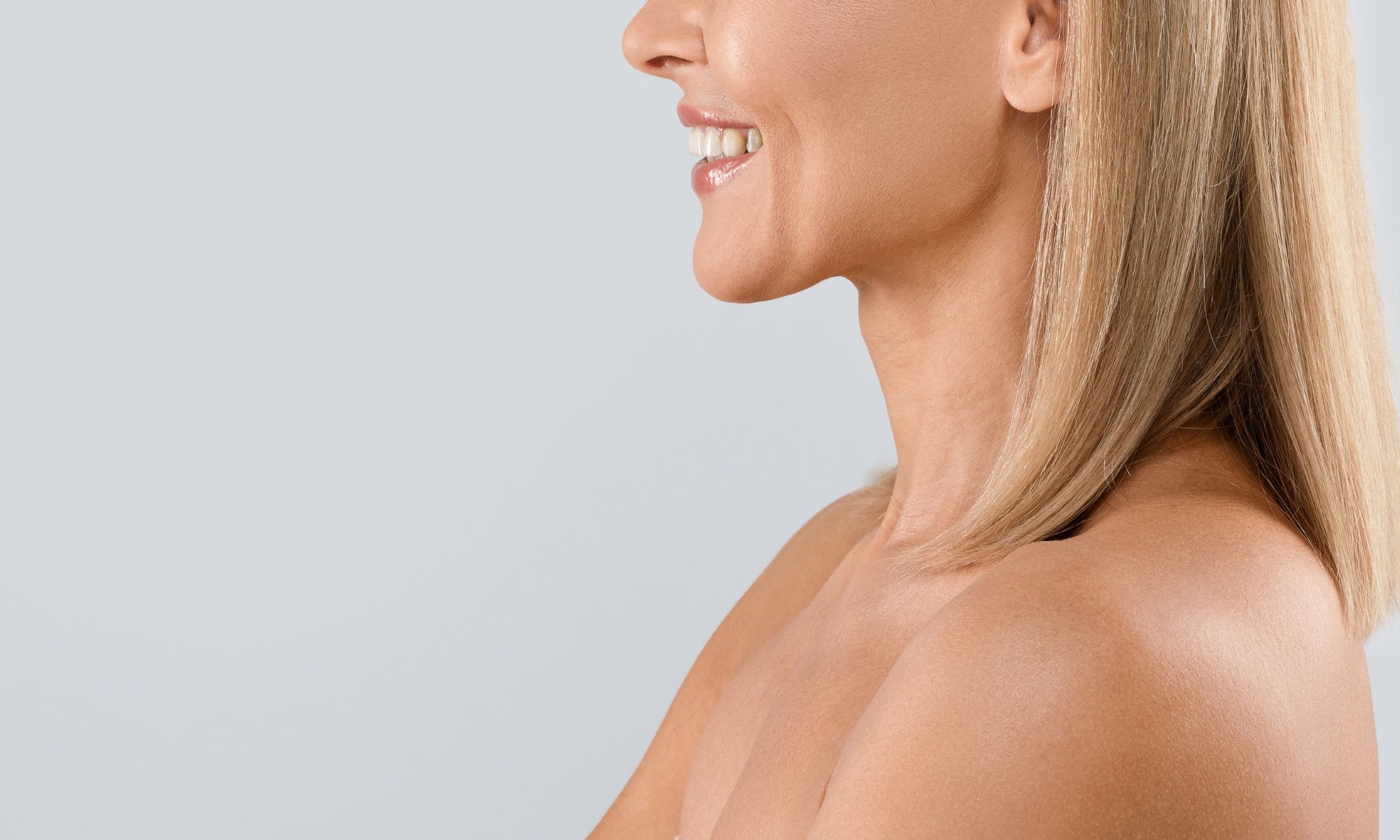
Jowls are often when aging stops being cosmetic and becomes structural.
It stops being about fine lines and texture. It becomes about contour and support.
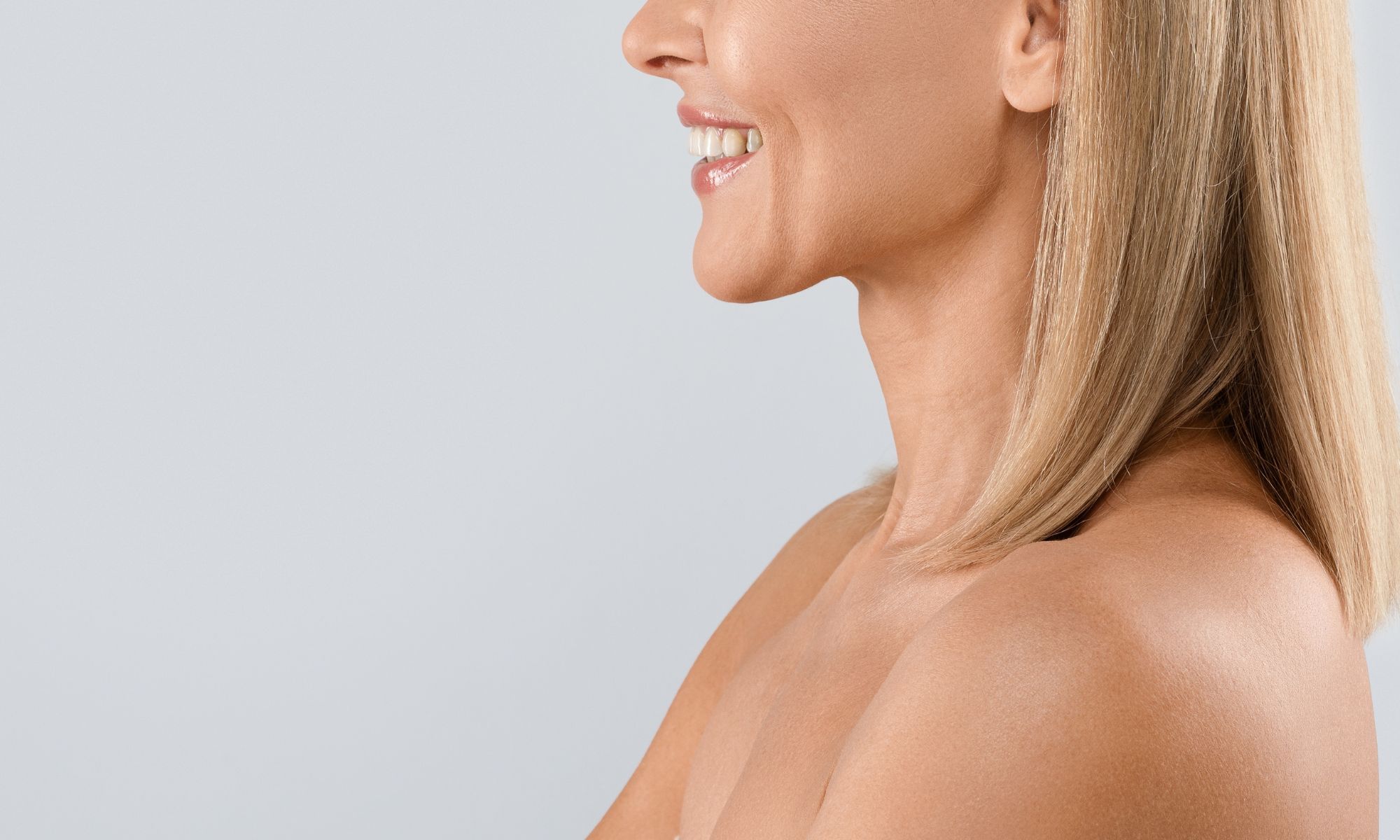
You notice it in your profile. In certain lighting. In photos taken slightly below eye level. The jawline looks softer. The lower face appears less defined.
So let’s answer the question directly.
Can you get rid of jowls after 40?
If laxity is mild, you can improve it.
If laxity is moderate to severe, you cannot fully eliminate it without surgery.
That distinction matters. It determines whether you are preserving, enhancing, or correcting.
Why Jowls Form After 40
Jowls are not simply loose skin. They are the result of layered structural aging.
Beginning in early adulthood, collagen production gradually declines. Research suggests adults lose approximately one percent of collagen per year after their mid-twenties. During the forties, hormonal shifts can accelerate visible changes in elasticity and structural support.
At the same time, deeper changes occur:
- Retaining ligaments loosen
- Midface fat pads descend
- Bone remodeling reduces skeletal projection
- Dermal collagen and elastin fibers weaken
When midface volume shifts downward and ligament support weakens, tissue accumulates along the lower face. The jawline no longer has the same structural definition.
Facial aging is three dimensional. It involves skin, fat, ligaments, and bone. Addressing only the surface cannot fully correct deeper tissue descent.
This is why the jawline changes in a way that feels more significant than fine lines.
Can You Get Rid of Jowls With Creams?
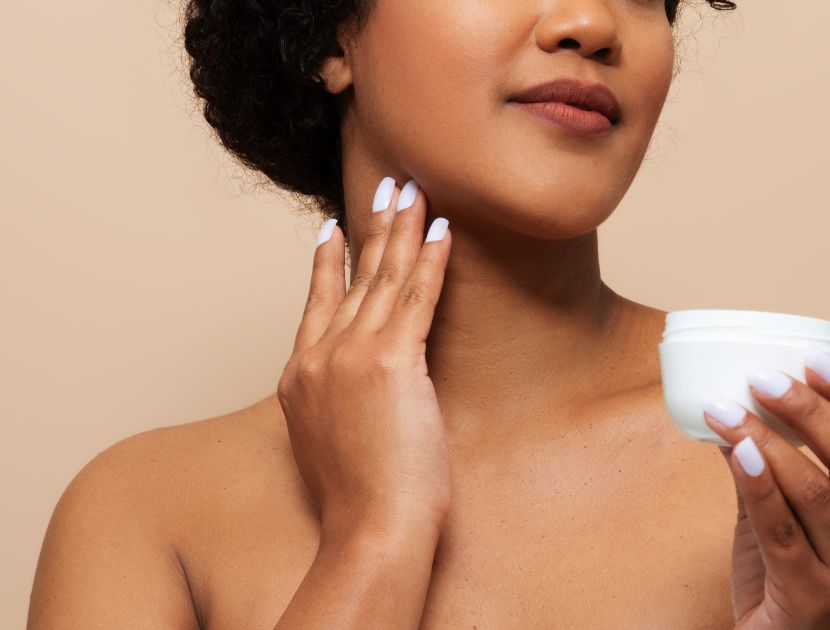
No topical product can eliminate structural jowls.
Skincare primarily affects the epidermis and superficial dermis. Jowls develop because of changes occurring beneath those layers, including ligament laxity and fat pad descent.
Topicals can improve hydration, texture, and modest collagen stimulation. They may make skin appear firmer at the surface.
They cannot lift descended fat pads, tighten facial retaining ligaments, or restore structural support.
Claims of visible jawline lifting from creams typically reflect temporary tightening effects, mild inflammation, or lighting differences.
Skincare plays a preservation role. It does not replace structural intervention.
What Actually Helps at Home
While creams cannot remove jowls, maintaining skin quality improves how structural changes present over time.
Healthier dermal support, improved collagen density, and protected elastin fibers all influence the appearance of laxity.
Retinoids
Prescription tretinoin or a well formulated retinol stimulates collagen production and improves dermal thickness over time.
If you are new to vitamin A derivatives, read How to Start Using Retinol: Everything You Need to Know Before You Begin before adding one to your routine.
Clinically supported retinol formulations from reputable brands include products like SkinCeuticals Retinol 0.5 and Revision Skincare Retinol Complete, which are formulated for strength, tolerability, and proven benefits in collagen stimulation.
Retinoids work gradually and cumulatively. Structural improvement depends on consistent long term use.
Daily Broad Spectrum SPF
Ultraviolet radiation accelerates collagen breakdown by increasing enzymes that degrade structural proteins in the dermis. Repeated exposure weakens collagen and elastin, contributing to laxity and loss of definition.
Sunscreen does not reverse jowls, but it slows ongoing collagen degradation. Protecting existing structural proteins is one of the most effective long term strategies for preserving jawline integrity.
Broad spectrum SPF 30 or higher every day is foundational prevention. Cumulative exposure drives structural damage more than isolated sunburns.
Peptides and Growth Factors
Peptides function as signaling molecules that can support collagen synthesis and barrier repair. Growth factor–based formulas aim to enhance cellular communication involved in tissue repair and resilience.
If you want a deeper explanation of how these ingredients work and who benefits most, read The Power of Peptides in Skincare for Women Over 40 before adding one to your routine.
Medical grade brands such as SkinMedica TNS Advanced+ Serum and Neocutis Bio Serum Firm are formulated to strengthen skin over time.
These ingredients improve skin quality and resilience. They do not reposition descended fat pads or tighten ligaments.
Red Light Therapy
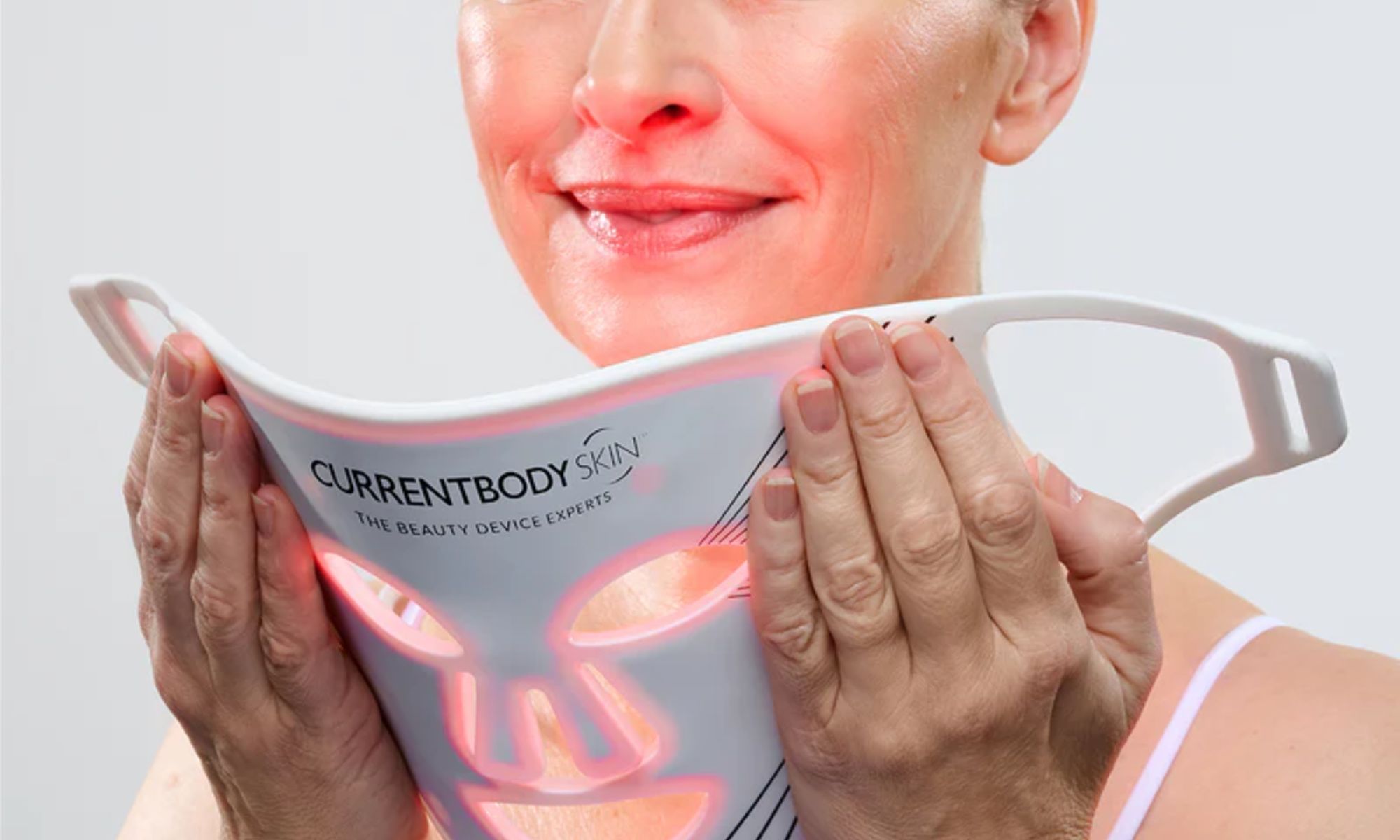
Red light therapy has evidence supporting collagen stimulation when used consistently at appropriate wavelengths, typically in the 630 to 850 nanometer range. Over time, it may improve skin density and elasticity by stimulating fibroblast activity.
The improvement is gradual and modest. It does not correct ligament laxity or reposition descended fat pads, but it can support overall skin quality as part of a broader strategy.
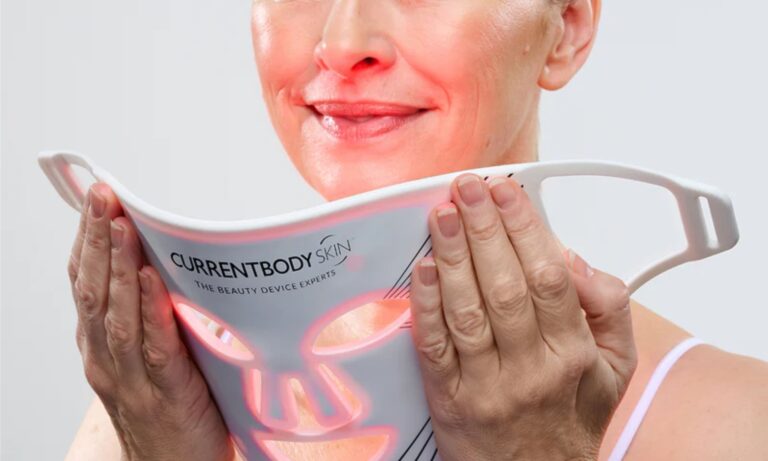
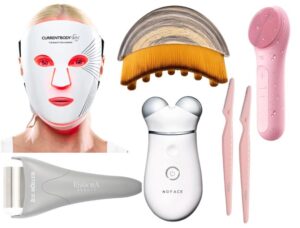
If you are considering an at home device, the CurrentBody Skin LED Light Therapy Face Mask: Series 2 is one of the more reputable options. It uses clinically supported red and near infrared wavelengths and offers consistent light distribution across the face.
As with all collagen stimulation approaches, results depend on regular use over several months. It should be viewed as supportive rather than corrective treatment.
Does NuFACE Work for Jowls?
Devices such as NuFACE Trinity use microcurrent to stimulate facial muscles and may increase cellular ATP production temporarily.
Immediately after use, muscle contraction can create a subtle lifting effect and slightly sharper contour. Many users notice improved definition along the cheekbones and jawline for a short period of time.
The effect is temporary and typically lasts one to three days. Ongoing use is required to maintain visible improvement.
There is currently no high-quality clinical evidence demonstrating that microcurrent repositions descended fat pads or tightens facial retaining ligaments.
That said, microcurrent can be useful for maintaining muscle tone, improving circulation, and creating temporary enhancement before an event or photography. For early, mild laxity, consistent use may support overall definition.
For moderate or advanced jowling, it does not create structural correction.
Microcurrent enhances appearance. It does not address the underlying anatomical cause of jowls.
What Does Not Meaningfully Change Structural Jowls
It is easy to assume that if jowls look like sagging, the solution must be tightening.
That logic is understandable. It is also incomplete.
Most at home techniques marketed for lifting the lower face focus on surface contraction or muscle engagement. Jowls, however, are primarily driven by ligament laxity and fat pad descent, which occur deeper than massage or topical treatments can reach.
Facial exercises may improve muscle tone slightly, but the lower face does not sag because muscles are weak. It sags because support structures loosen and soft tissue shifts downward. Strengthening the underlying muscles does not reposition descended fat pads.
Gua sha and facial massage can temporarily reduce fluid retention and improve circulation. That may create short term refinement in contour. It does not correct structural descent.
Tightening masks work by creating temporary surface contraction as they dry. The effect fades as soon as the skin rehydrates.
These approaches are not harmful. They simply operate at a different level than the anatomical changes responsible for jowls.
Understanding the mechanism prevents misplaced effort and unrealistic expectations.
Non Surgical Treatments for Jowls After 40
When at home strategies are not sufficient, non surgical treatments may provide improvement in early to moderate laxity.
Biostimulators
Injectables such as Sculptra and Radiesse stimulate the body’s own collagen production over several months.
They can improve firmness and subtle contour changes in appropriate candidates. Results develop gradually and depend on baseline tissue quality and treatment plan.
Energy Based Tightening
Ultherapy delivers focused ultrasound energy to stimulate collagen at deeper structural levels including the SMAS.
Thermage uses radiofrequency energy to induce dermal collagen remodeling.
Both may produce modest tightening in selected patients. Outcomes vary significantly based on age, tissue thickness, and provider experience.
Neither device repositions descended fat pads in the way surgery does.
Strategic Use of Filler
In some cases, the issue is not just sagging. It is loss of support higher in the face.
As we age, volume in the cheeks and midface decreases. When that support weakens, tissue shifts downward and the lower face can look heavier. Carefully placed filler in the midface can sometimes restore balance and subtly improve the appearance of the jawline.
This is not about injecting the jowls themselves. Adding filler directly into the jowl area often makes the lower face look wider or heavier.
The goal, when appropriate, is structural balance, not bulk.
Filler can be helpful in selected patients with early to moderate laxity. It does not reposition ligaments or reverse significant tissue descent. For more advanced jowling, it becomes camouflage rather than correction.
Thoughtful placement and restraint matter. Overfilling rarely improves definition and often creates a different problem.
When Surgery Becomes Part of the Conversation
There is a point where creams, devices, and injectables are managing around the issue rather than correcting it.
For moderate to severe jowling, a lower facelift is the only treatment that repositions descended tissue at the structural level. It addresses the deeper support system of the face, including the SMAS layer and the ligaments responsible for tissue descent.
That is why surgical correction produces results that non surgical treatments cannot replicate.
That said, surgery is a personal decision. It is not something every woman wants, needs, or feels ready for.
If surgical correction is something you are interested in exploring, a consultation with a board certified plastic surgeon can help you understand what is realistic for your anatomy and goals.
Modern facelift techniques focus on restoring natural anatomical support rather than creating tension or a pulled appearance. The goal is refreshed structure, not tight skin.
For some women, non surgical approaches are enough. For others, surgery becomes a thoughtful choice rather than a last resort.
Work With a Board Certified Plastic Surgeon
If you are thinking about injectables, energy based treatments, or surgery, start with the right provider.
That means a board certified plastic surgeon or board certified facial plastic surgeon. Not a med spa guessing their way through your anatomy.
Board certification matters because it reflects formal surgical training and a deep understanding of facial structure. The face is layered and complex. Experience makes a difference.
A skilled surgeon will look at your anatomy, your degree of laxity, your skin quality, and your overall facial balance before recommending anything. They will also tell you when a treatment will not give you the result you are hoping for.
That kind of honesty is what you want.
A thoughtful consultation helps you understand what is realistic, what is worth trying, and what is not. It protects your expectations as much as it protects your outcome.
Can You Prevent Jowls After 40?
Structural aging cannot be stopped, but certain behaviors can slow contributing factors.
- Daily broad spectrum sunscreen reduces cumulative collagen damage.
- Long term retinoid use supports dermal thickness and collagen production.
- Avoiding smoking protects elastin and vascular integrity.
- Maintaining stable weight reduces repeated stretching and thinning of skin.
Prevention slows progression. It does not eliminate structural change.
Weight Loss and Jowls
If you’ve recently lost weight and feel like your jawline changed overnight, you’re not imagining it.
Significant weight loss can make lower face laxity more visible.
Facial fat provides structural support. When volume decreases, ligament laxity and reduced elasticity become easier to see. The change feels sudden, but the structural aging was already in progress.
Weight loss does not independently cause jowls. It can reveal underlying changes that were previously less noticeable.
This effect is often more pronounced after 40, when collagen production and skin elasticity are already declining.
In mild cases, collagen stimulating treatments or strategic volume restoration can improve balance. In more advanced cases, surgical repositioning may be something to consider if that is a direction you are interested in exploring.
FAQs
Can you get rid of jowls after 40 without surgery?
Mild jowls may improve with non-surgical treatments such as collagen stimulation or skin tightening. Moderate to severe jowls cannot be fully eliminated without surgical repositioning of descended tissue.
What is the best non-surgical treatment for jowls?
Biostimulators and certain energy-based tightening treatments may improve early laxity by stimulating collagen. Results are typically modest compared to surgical correction.
Does NuFACE tighten jowls permanently?
No. Microcurrent devices provide temporary muscle stimulation that may create subtle definition for one to three days. They do not reposition fat pads or tighten facial retaining ligaments.
What is the most effective treatment for jowls after 50?
For advanced sagging, a lower facelift performed by a board-certified plastic surgeon provides the most definitive correction by repositioning structural tissue rather than tightening surface skin alone.
More Skincare After 40
Shop this Post
You Might Also Like

Want everything I recommend in one place?
Shop my trusted recommendations
ShopMy is where I save and organize the pieces I consistently recommend, including wardrobe staples, standout finds, and brands I have researched, worn, or genuinely trust. Everything here reflects my years of experience in personal style and the same thoughtful approach I use across The Well Dressed Life.
If you are looking for something specific, or want reliable options without the overwhelm, this is where I start.
Browse my ShopMy