

How to Create a Fashion Vision Board for Your Personal Style

PERSONAL STYLE DISCOVERY WEEK · DAY TWO
How to Create a Personal Style Vision Board
Yesterday, we talked about why figuring out your personal style is worth your time. Today, we’re moving into the first practical exercise of Personal Style Discovery Week: creating a visual reference for how you want to dress.
If you’re joining us here, you can still use this guide on its own. But if you’d like to follow the entire process, start with Day One: Why It’s Worth Figuring Out Your Personal Style.
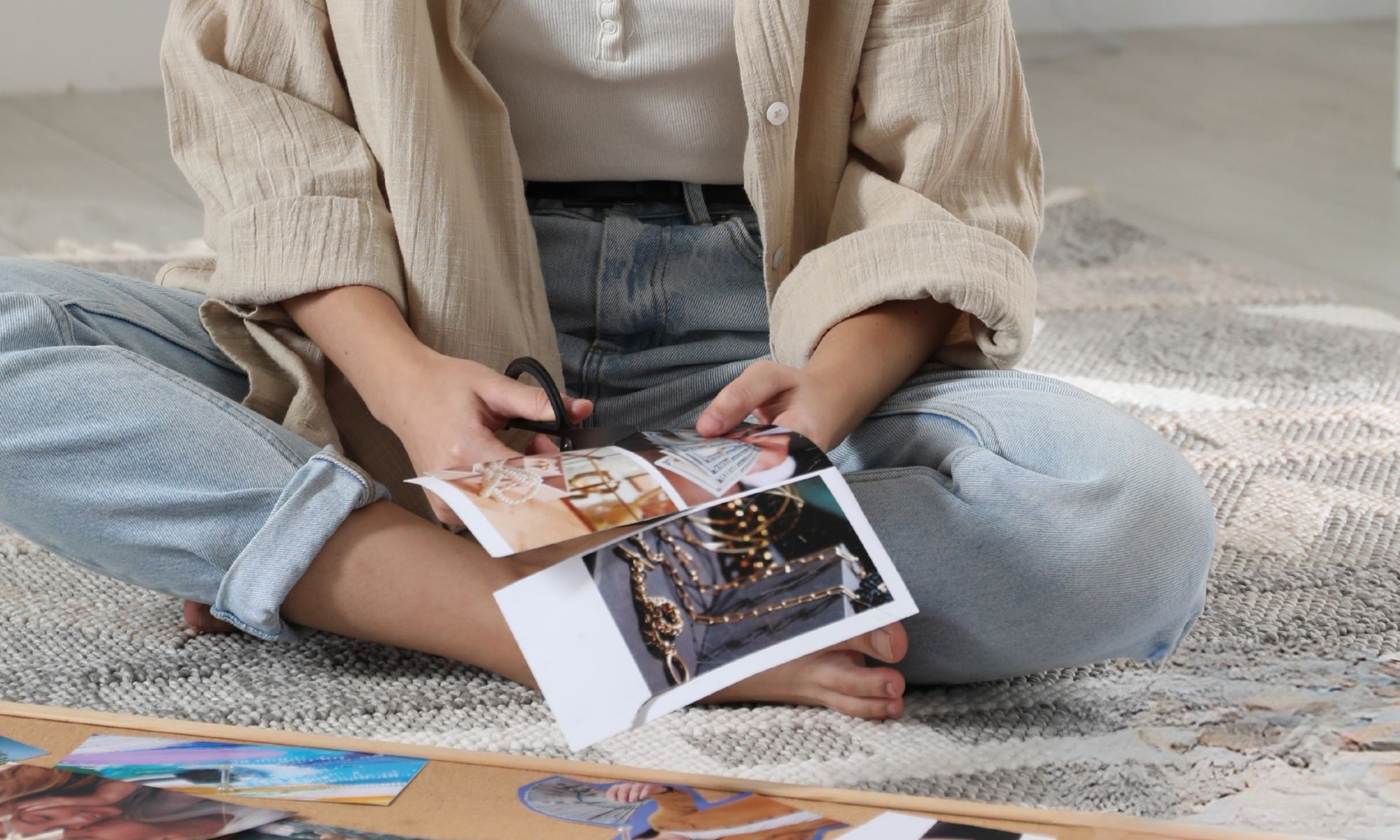
Getting dressed should feel like an expression of who you are. But for many women, it feels more like a daily negotiation with a closet full of clothes that doesn’t quite add up to anything cohesive. Often, the problem is a lack of clarity. A personal style vision board can help you see the colors, shapes, outfits, and overall feeling you’re consistently drawn to.
It gives you a visual reference before you spend more money or make another decision about your wardrobe. Over time, it becomes a useful filter for shopping, editing your closet, and getting dressed.
I used this process with private styling clients because it gave us a shared visual language. Instead of relying on broad words like classic, casual, or modern, we could look at specific images and identify what they had in common. That made it much easier to understand what the client wanted and translate it into clothes she would actually wear.
Your personal style vision board and your Lifestyle Diagram will eventually work together. The Lifestyle Diagram shows you what your wardrobe needs to do based on how you spend your time. Your vision board shows you how you want it to look and feel. You can begin with either exercise, but you’ll need both pieces before you start making significant decisions about your wardrobe.
What Is a Personal Style Vision Board?
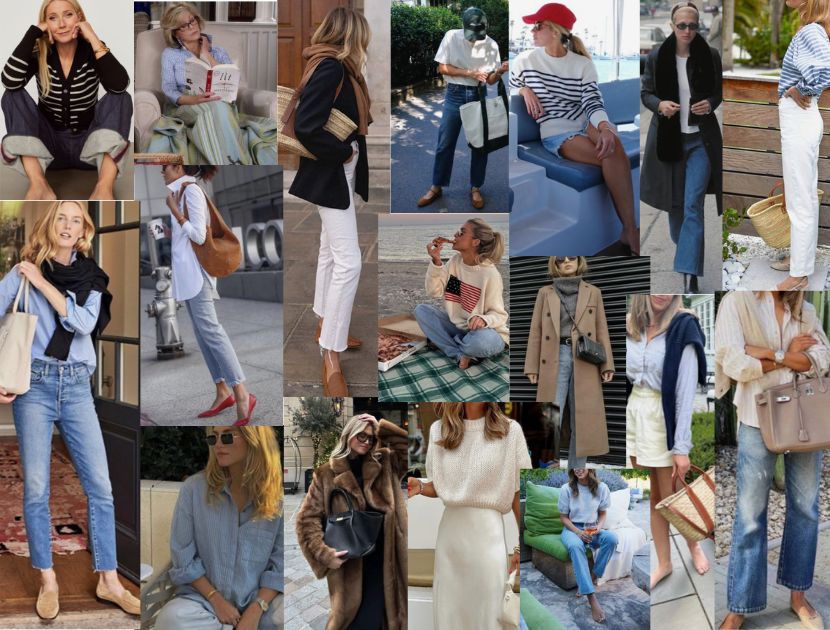
A personal style vision board is a curated collection of images that represents how you want to dress. It may include complete outfits, individual pieces, colors, fabrics, accessories, or even interiors and other images that capture the overall feeling you want your wardrobe to have.
The important word here is personal. This should not become a collection of beautiful clothes you admire on other people but would never wear yourself. It should reflect how you genuinely want to look and feel in the life you have now.
Once you have it, you can use it as a reference and ask whether a purchase, outfit, or closet decision belongs within the larger picture.
My own board reflects a style that is classic, current, comfortable, and grounded in an East Coast sensibility. It includes structured jackets with denim, beautiful knits, rich neutral colors, loafers, sneakers, and elegant accessories. I like quality and structure, but I never want to feel overly formal or overdone.
Your board will look different because your preferences and your life are different. That is precisely the point.
Step 1: Decide What You Want From Your Style
Before you collect any images, take a few minutes to think about what you want your board to reflect. You don’t need to define your personal style before you begin. The board is going to help you do that.
Start by asking yourself:
- How do I want to feel in my clothes?
- What does my actual week look like?
- What does my wardrobe need to help me do?
- Which colors do I consistently reach for?
- Which silhouettes and proportions have worked well for me?
- Whose style do I admire and genuinely want to wear?
- Which pieces in my closet do I love and reach for repeatedly?
- What have I bought in the past that never got worn, and why?
You don’t need a perfect answer to every question. A few notes will give you a starting point and help prevent your board from turning into a collection of beautiful images that have no connection to your life.
Step 2: Gather Inspiration With Intention
This is where the exercise can get away from you. You start by saving one outfit you love, and an hour later you have a board filled with a Parisian apartment, a ball gown, a vintage convertible, and a woman carrying flowers through Provence.
There’s nothing wrong with appreciating any of that, but we’re trying to understand how you want to get dressed.
There is an important distinction between admiring a style and wanting to wear it. You may love ultra-minimalist dressing, dramatic avant-garde fashion, or long floral dresses on other women. That doesn’t necessarily mean those clothes belong on your board.
When you look at an image, ask yourself: Would I want to live my actual life in this?
If the answer is yes, save it. If your honest response is, “I love this, but I would never wear it,” leave it out.
You can gather images from:
- Instagram saved posts
- Fashion magazines
- Retailer and brand websites
- Catalogs or lookbooks
- Photographs of outfits from your own closet
Spend 30 to 45 minutes collecting images to begin. Don’t overthink each one. Save what immediately speaks to you and continue adding images as you notice them over the next several days.
You’re looking for patterns, so you need enough images to see what repeats. At the same time, you don’t need hundreds of pins. Twenty to thirty thoughtful images will tell you far more than a board filled with everything you have ever liked.
Step 3: Choose a Format You’ll Actually Use
There is no single right way to build your board. Choose the format you’ll find useful and be willing to revisit.
Create a Physical Vision Board
Print your favorite images or cut pages from magazines. You can also include fabric swatches, paint chips, or photographs of pieces you already own. Arrange everything on a corkboard or poster board and keep it near your closet or dressing area.
A physical board works especially well if you enjoy working with your hands or want something you can see without opening an app.
Create a Digital Board in Canva
Upload your saved images to Canva and arrange them in a simple collage. You can group them by category, such as casual outfits, workwear, shoes, accessories, and color palettes, or arrange them based on the overall feeling.
Save the finished board to your phone or computer so you can easily reference it while shopping.
Create a Pinterest Board
Pinterest is the simplest option if you want to keep adding and removing images over time. Create a dedicated board and, if helpful, organize it into sections for outfits, shoes, accessories, color, or different parts of your life.
Be willing to edit it. A Pinterest board can quickly become too large to reveal anything useful if you continue adding without ever taking anything away.
Whichever format you choose, your board should feel complete enough to use but flexible enough to change. You are creating a working reference, not a permanent piece of art.
Step 4: Look for the Patterns
Once you have collected your images, step back and look at the board as a whole.
Pay attention to what appears repeatedly:
- Which colors dominate the board?
- Do the outfits rely on contrast or similar tones?
- Which silhouettes and proportions keep appearing?
- Are the clothes structured, relaxed, or a combination of both?
- Which fabrics and textures stand out?
- What kinds of shoes appear most often?
- Are the accessories simple, bold, traditional, or modern?
- How formal or casual are the outfits?
- Does the overall mood suit the way you actually live?
You may notice things you didn’t consciously know about your preferences. One client told me she considered herself a “color person.” When we looked at her completed board, almost every image featured neutral clothing. She liked color, but she didn’t necessarily want to wear it as often as she thought she did. That observation changed the way she shopped.
If your board feels scattered, that is useful information too. Look at each image again and remove anything you merely admire but don’t genuinely want to wear. The images that remain will give you a more accurate picture of your style.
Step 5: Put What You See Into Words
Your board is visual, but describing what you see will make it easier to use.
Write down the recurring elements in plain language. You might notice that your board includes:
- Mostly neutral colors with occasional shades of blue or green
- Straight-leg pants and relaxed trousers
- Simple tops with more interesting jackets
- Flat shoes or low heels
- Structured bags
- Minimal jewelry
- A balance of classic and casual pieces
Avoid choosing descriptive words simply because they sound appealing. Your description should be supported by the images in front of you.
You don’t need to force everything into three perfect words. A short, specific paragraph is often far more useful than an aesthetic label. The goal is to describe your preferences clearly enough that the description can help you make a decision.
Step 6: Use Your Board as a Working Tool
A personal style vision board only becomes useful when you apply it to your wardrobe.
Before buying something, look at your board and ask:
- Does this fit with the overall direction?
- Can I imagine this piece alongside the outfits I saved?
- Does it support the way I want to dress?
- Do I like it for myself, or do I simply like it in the photograph?
- Will it work with pieces I already own?
The board can also help you understand why an outfit feels off. If you consistently save outfits with clean lines and simple accessories but your closet is filled with fussy details and complicated prints, the disconnect will become easier to see.
It can reveal gaps, but don’t automatically turn every image into a shopping list. Look for repeated themes first. If loafers appear throughout your board and you don’t own a pair that fits well, that may be a meaningful gap. One woman wearing a red coat does not necessarily mean you need a red coat.
Revisit your board whenever your life, body, or preferences meaningfully change. You can also update it when your wardrobe begins to feel disconnected again. Remove what no longer appeals to you and add images that better reflect where your style is going.
Connecting Your Vision With Your Actual Life
A vision board gives you an aesthetic direction, but your wardrobe still needs to support the way you live.
This is where your Lifestyle Diagram becomes important. It shows you how much of your time is spent working, caring for children, attending social events, traveling, exercising, working from home, or doing anything else that requires clothes.
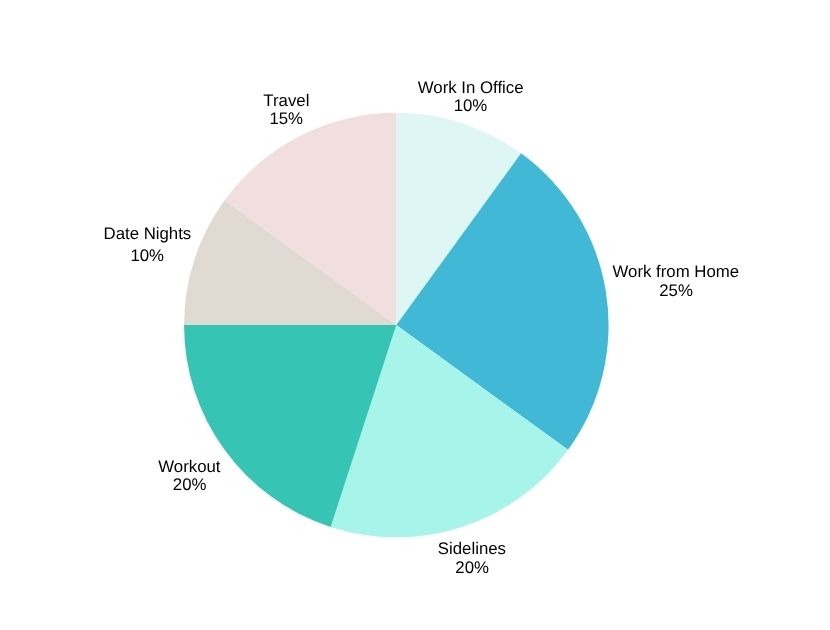
When you compare the two, you may discover that your vision board is filled with workwear even though you now work from home. Or perhaps it includes relaxed casual outfits, while most of your wardrobe was purchased for an office you no longer visit. Neither discovery means the board is wrong. It shows you where your preferences and your current wardrobe have fallen out of alignment.
The vision board gives you direction. The Lifestyle Diagram gives that direction practical boundaries. Together, they help you build a wardrobe that reflects your taste and supports your real life.
For Personal Style Discovery Week, start your board today and let it develop as we continue through the exercises. You don’t need to finish every detail before moving forward. By the end of the week, you’ll be able to compare what you’re drawn to with what your life requires and what your closet already tells us.
Frequently Asked Questions
What is a personal style vision board?
A personal style vision board is a curated collection of images representing how you want to dress. It can include outfits, colors, silhouettes, fabrics, shoes, accessories, and other visual references that capture the overall direction of your style.
How is it different from a general vision board?
A general vision board may include goals related to your career, home, relationships, travel, health, or finances. A personal style vision board focuses specifically on how you want your wardrobe to look and feel.
Do I need to complete the Lifestyle Diagram first?
No. These exercises work together, but you can begin with either one. Your vision board identifies what you’re drawn to, while the Lifestyle Diagram shows what your wardrobe needs to support. You’ll compare the two before making significant shopping or closet decisions.
What if my board looks nothing like my current wardrobe?
That difference is useful information. It may show that your taste has changed, your wardrobe has not kept pace with your life, or you have been buying individual items without a clear direction.
You don’t need to replace everything. Look for the strongest recurring patterns and begin making more consistent decisions from this point forward.
Can I create more than one board?
Yes, particularly if different parts of your life require very different clothing. You may find it helpful to create separate sections for work, casual outfits, social occasions, or travel.
Start with one primary board if you can. Seeing everything together makes it easier to identify the preferences that remain consistent across the different parts of your life.
How often should I update it?
There is no required schedule. Revisit your board when your life changes, your body changes, or your wardrobe no longer feels connected to who you are. Your personal style will continue to evolve, and your board can evolve with it.
You Might Also Like
Want everything I recommend in one place?
Shop my trusted recommendations
ShopMy is where I save and organize the pieces I consistently recommend, including wardrobe staples, standout finds, and brands I have researched, worn, or genuinely trust. Everything here reflects my years of experience in personal style and the same thoughtful approach I use across The Well Dressed Life.
If you are looking for something specific, or want reliable options without the overwhelm, this is where I start.
Browse my ShopMy
Megan, I always said I’d never have that muffin top like my older friends. We’ll, I’m older and have the menopausal woman muffin top. There are post after post on changing your body. I’d love you to do a post on dressing the muffin top. My body isn’t changing.
Thank you for The Well Dressed Life. All your work makes a difference for so many.
Megan, I love this!
A few years ago, I was deep in a pattern rut—just aimlessly buying tops with no real direction. When I made my first vision board, I realized there wasn’t a single patterned top on it. That moment was so eye-opening and really helped me course-correct.
I usually stick with the Pinterest method, but I’ve always skipped the final step of actually organizing everything into a true vision board. This post has me excited to revisit that process with more intention.
Thank you for making this feel both inspiring and doable! I love WDL!
Natalie
Yes, please, Meg! Muffin top! Appalling, but not all that fixable!!
Megan,
I love your site and all your posts. They are very insightful. You also have a real gift for writing, as evidenced by your keenly personal blog posts. They resonate with depth that is somewhat rare in the fashion world. When you’re looking for your next career iteration, I think you’ll find it involves writing. We will all be waiting!
This is so kind, thank you. xx
My personal style is simple but sophisticated.
Bold and bright but elegant
Comfortable and casual but polished!
What can you come up with based on this description???