

How to Figure Out Your Wardrobe Essentials (To Create a Closet That Fits Your Life)

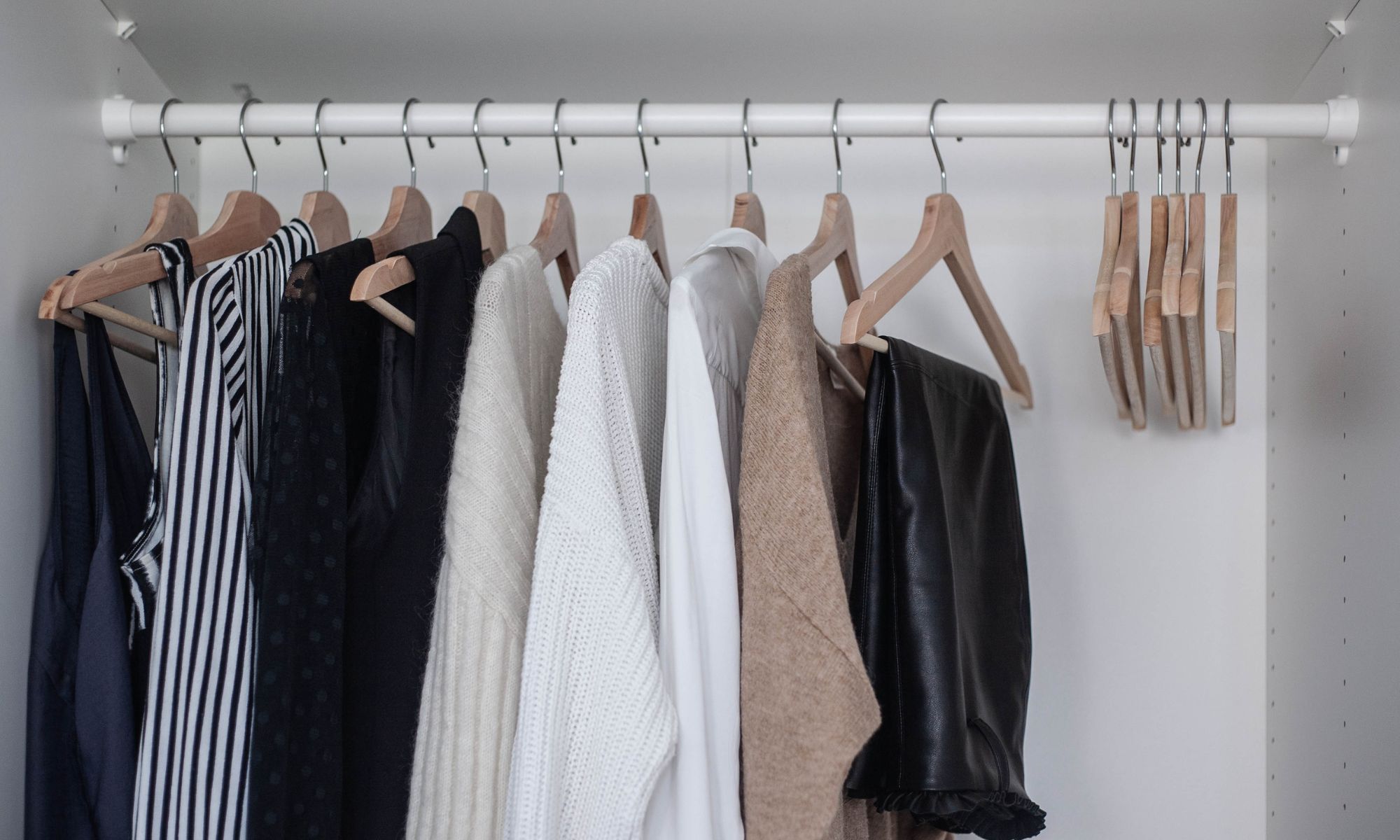
Most women do not need more clothes. They need clarity.
If your closet feels full but getting dressed still feels harder than it should, the issue is rarely a lack of options. More often, it is decision fatigue. Too many choices that do not lead anywhere useful.
The shift
Wardrobe essentials work best when you treat them as a decision making framework. Once your essentials are clear, every other choice gets easier.
This is where wardrobe essentials matter and where they are often misunderstood.
Wardrobe essentials are not a universal list of items everyone should own. They are personal. They reflect your lifestyle, preferences, body, climate, and the pieces you reach for again and again. When you identify them clearly, your wardrobe becomes easier to use, shopping becomes more intentional, and getting dressed feels far less stressful.
This guide will walk you through how to figure out your wardrobe essentials in a practical, thoughtful way that works in real life.
What Are Wardrobe Essentials?
Wardrobe essentials are the pieces you rely on most. They form the foundation of your closet, even if you have never labeled them that way.
True essentials usually share a few key qualities:
They are timeless rather than trend driven
They mix easily with other pieces you own
They feel reliable and comfortable throughout your day
They reflect your real life, not an aspirational one
For one woman, an essential might be a tailored blazer she wears to work several times a week. For another, it might be a pair of jeans with the perfect rise or a soft knit she reaches for almost every morning.
When your essentials are clear, every other decision in your wardrobe becomes easier to make.
The goal is not to build a perfect wardrobe. The goal is to build a functional one.
Wardrobe Essentials vs Wardrobe Basics
This distinction is where most wardrobes quietly break down.
Wardrobe basics are category items. Think white t shirts, black pants, neutral sweaters, denim jackets.
Wardrobe essentials are usage based. They are the specific pieces you actually wear the most.
A white t shirt is only an essential if you reach for it regularly. If you prefer tanks, button downs, or knit tops, a white tee may be a basic, but it is not essential to your wardrobe.
Understanding this difference prevents the frustration of owning clothes that look right on paper but never earn a place in your daily life.
How to Identify Your Wardrobe Essentials
Look at what you actually wear
Your most worn pieces reveal your real essentials faster than any list.
Choose what feels effortless
Essentials should fit, layer, and repeat without extra thought.
Build for your real week
A wardrobe works when it matches the life you live most days.
Start With What You Actually Wear Every Week
The fastest way to identify your essentials is to look at your real life, not your intentions.
Ask yourself:
What do I wear during a typical week
Which pieces are constantly in the laundry
What do I reach for when I want to feel comfortable and pulled together
These items are already doing the job essentials are meant to do. They fit your lifestyle and your body as it exists right now.
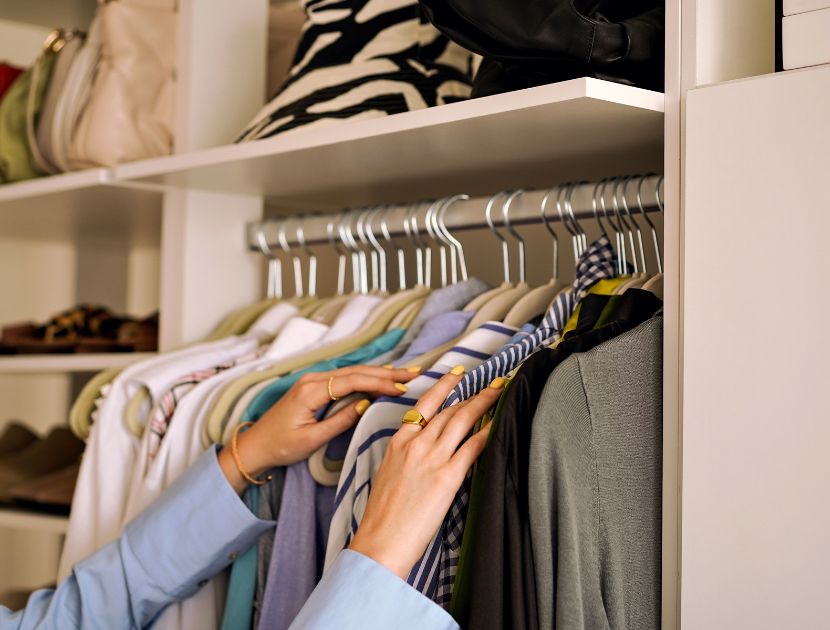
If it is hard to see those patterns because your closet feels packed, working through a thoughtful edit first can make this process much clearer. Our Closet Clean-Out Method walks you through how to do that without feeling overwhelmed.
Notice What Feels Effortless and Repeatable
Essentials should make getting dressed easier.
They usually:
Fit well without constant adjusting
Work with multiple outfits
Feel comfortable for the length of your day
If something looks good but consistently requires extra thought or adjustment, it is unlikely to function as a foundation piece. Essentials reduce friction and simplify decisions.
Build for the Life You Are Living Now
Many wardrobes are built around a version of life that shows up occasionally rather than daily. The result is a closet that looks complete but does not fully support how you spend most of your time.
Start by being honest about:
- how you spend most weekdays
- how casual or polished your weekends really are
- whether you need workwear, casual layers, or flexible pieces that do both
Grounding your wardrobe in your actual routine does not remove personality or creativity. It gives them a place to live. When your essentials reflect who you are now, getting dressed becomes more consistent and less effortful.
Once that foundation is clear, personal style tools become much more useful. If you want help translating what you already wear into a clearer point of view, this guide on how to create a personal style vision board can help you turn patterns into direction.
If you want a more concrete breakdown of how your time is actually divided, our Lifestyle Diagram guide walks you through mapping your wardrobe to your real week.
A Simple Exercise to Find Your Core Essentials
If you are unsure where to start, this exercise creates clarity quickly.
The Top 10 Wardrobe Essentials Exercise
The Top 10 Wardrobe Essentials Exercise
A quick reset that shows you what you actually rely on.
-
1
Pull your 10 most worn pieces. If 10 feels like too much, start with 5.
-
2
Lay them out where you can see them together. Your bed, a chair, or the floor works.
-
3
Answer these questions. Keep it simple and honest.
- Why do I wear each of these so often?
- What do these items have in common?
- Are they mostly casual, structured, neutral, or soft?
- What is missing that would make these easier to wear together?
-
4
Write down what you notice. Look for patterns you can build around.
Most women discover they have fewer true essentials than they expected. That realization is what makes the rest of the process simpler and more focused.
Once you see which pieces you rely on most, the next step is understanding what they say about your personal style. Many women already have a clear throughline, even if they have never put words to it. This guide on how to define your personal style helps you identify the patterns you are already living in.
What Wardrobe Essentials Can Look Like Across Different Lifestyles
There is no single correct essentials list. Alignment matters more than appearance.
These examples are not prescriptions. They show how essentials shift based on daily demands rather than personal taste alone.
| Lifestyle | Possible essentials |
|---|---|
| Corporate or professional | Tailored blazer or dress, slim trousers, comfortable heels or flats |
| Work from home or hybrid | Polished joggers, updated jeans, layering tees, soft but structured knits |
| Creative or casual | Dark denim, versatile jacket, stylish sneakers, oversized button downs |
| Active or retired | Comfortable bottoms in quality fabrics, casual dresses, supportive walking shoes |
Use these examples as context, not instruction.
Why Your Wardrobe Essentials Will Change Over Time
Your essentials are not meant to stay the same forever.
They shift as your body changes, your work changes, your lifestyle evolves, and your priorities become clearer.
A piece that once felt essential may no longer make sense in a different season of life. That change signals awareness, not inconsistency.
Allowing your essentials to evolve keeps your wardrobe aligned instead of stagnant.
Common Challenges When Defining Wardrobe Essentials
If this process feels difficult, that is normal.
Common challenges include:
- Holding onto pieces tied to expectation rather than use
- Planning for occasional moments instead of daily needs
- Building foundations around trend driven items
- Trying to reduce volume before understanding function
Essentials are not about owning less. They are about owning what works.
How to Use a Wardrobe Essentials Checklist
Once your essentials are clear, structure becomes helpful.
A checklist works best as an organizing tool. It helps you see what you already own, identify meaningful gaps, and avoid buying items that do not support your foundation. Without clarity, a checklist often becomes another source of pressure rather than support.
I created a Wardrobe Essentials Checklist to reinforce this process. It is designed to support decision making, not replace it.
Download the Wardrobe Essentials Checklist
A practical tool to organize what you own, spot meaningful gaps, and make smarter decisions going forward.
How to Build Around Your Essentials
Your essentials become your filter.
Before adding something new, ask:
Does this work with what I already rely on
Will this make getting dressed easier
Does this support my real life
Does it work with at least two of my existing essentials
When your foundation is solid, trends become optional. Shopping becomes calmer. Your wardrobe starts supporting you instead of demanding constant attention.
The Shift That Makes Everything Easier
The moment you stop treating wardrobe essentials as a checklist and start treating them as strategic decisions, your wardrobe begins to work.
Essentials are not about owning more. They are about choosing well and repeating what flatters you.
When your foundation is solid, getting dressed becomes faster and more consistent. You stop experimenting from scratch every morning. You build from pieces you trust.
Once your foundation is clear, the next step is learning how to use it well. Read How to Shop Your Closet the Right Way to turn those essentials into strong, repeatable outfits.
If You Want to Keep Going
If this process helped you see your wardrobe differently, there are a few smart next steps that build on that clarity.
If your closet feels crowded and it is difficult to identify what you actually rely on, start with the Closet Clean-Out Method to create space before making any decisions.
Before replacing anything, it helps to understand how to allocate a clothing budget using the splurge, spend, save framework so you invest intentionally instead of rebuilding by default.
If you have your foundation in place but still default to the same outfits, read how to shop your closet the right way to turn what you already own into stronger, repeatable combinations.
If you want to put language around the patterns you are already living in, revisit how to define your personal style to sharpen your direction.
If you want a clearer visual sense of where your style is headed, how to create a personal style vision board walks you through translating insight into intention.
You do not need to do everything at once. One intentional shift is enough to move your wardrobe forward.
You Might Also Like


Want everything I recommend in one place?
Shop my trusted recommendations
ShopMy is where I save and organize the pieces I consistently recommend, including wardrobe staples, standout finds, and brands I have researched, worn, or genuinely trust. Everything here reflects my years of experience in personal style and the same thoughtful approach I use across The Well Dressed Life.
If you are looking for something specific, or want reliable options without the overwhelm, this is where I start.
Browse my ShopMy


Hello,
Love your blog! I am having such a hard time finding tops that are flattering around the mid-section, but without big those big sleeves that just highlight the waist and not flattering. I am 5’3″ about 159 and wear a 10. Mid section and chest are what I need to minimize. Do you have any guides or advice for what exactly to look for. I try v necks and a line tops but finding something without the big sleeves is a challenge. Thanks so much!!
I love your suggestion to pull out my top 10 pieces from my closet and ask myself why they work for my lifestyle.
Terrific article, thanks so much.
What a fantastic post, Megan. I keep buying wear to work clothes, but my job has changed to college professor two days a week and work from home/artist The rest of the week. And church on Sundays. I would love to lean into the creative identity, but have felt strangely guilty about it. And I really just need some comfy clothes for being creative at home. I love the statement phrase, signature leather jacket, awesome jeans, and lots of t shirts. With cotton & cashmere sweaters for going out. This has helped me a lot – I haven’t realized how all-over-the-place I’ve been until now.
Excellent advice, Meg. Thank you! I appreciate that it is both aspirational (“You’re allowed to feel good in your clothes and in your life”) and practical. Even though it’s summer, I thought of the fine wool cardigan I wear frequently in the cool/cold months. I love it for all the reasons you laid out— quality, fit, comfort, and I like how I look and feel in it. Now I know what I’m looking for as I go through my closet. I so appreciate this post— and you!
I’m enjoying this series very much, Megan! I am retired. I have many clothes that I love, but when the styles change toward one that doesn’t fit my body type, it all goes out the window. I don’t want to look out dated. The retail stores just don’t have much for me. I’m extremely short-waisted and cannot tuck my tops.I’m still trying to master the half tuck, but it looks sloppy when I do it. I want to be age appropriate so cropped tops don’t work. I appreciate everything you’re teaching, but can’t seem to find my style in the retail offerings.
Thank you for this article & your articles on body types. There is an amazing explanation and flow to these articles. So very useful!! I have been struggling to find outfits that work for someone over 50 and not look like I’m 15. I am grateful for your insights! Thank you!
I’m loving these articles on wardrobe building (and reducing). I will archive them to re-read later.