
Have you ever pulled a favorite sweater out of your closet and thought, Why does this already look worn?
Most women assume that pilling, stretching, or thinning means a sweater was poor quality to begin with. In reality, most knitwear damage has very little to do with how often a sweater is worn and everything to do with how it is cared for.
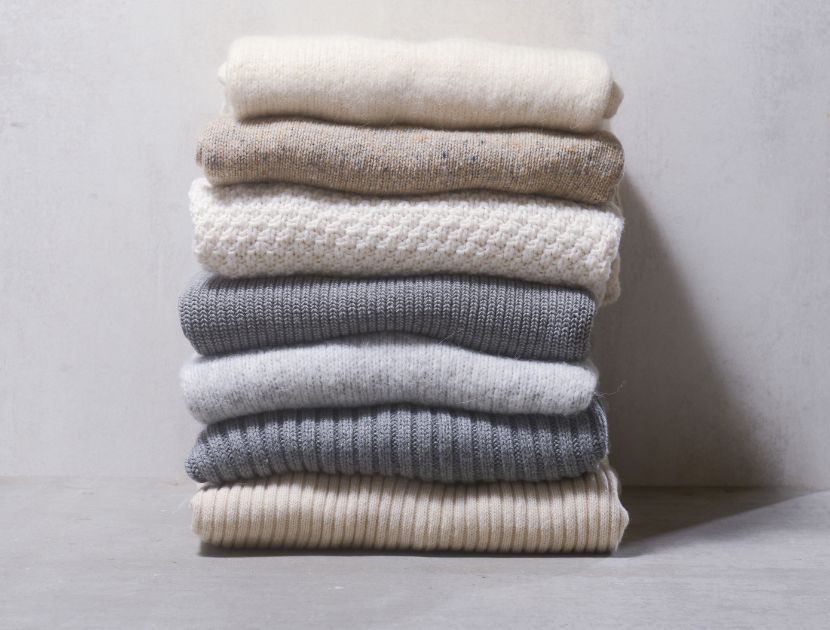
Cashmere, merino, alpaca, and high-quality cotton knits are meant to be worn regularly. They are just not meant to be over-washed, overheated, or treated like everyday laundry. If you are investing in better knitwear, choosing the right pieces matters just as much as how you care for them. I recently shared a post that included the knits worth buying at Quince, which pairs well with this care guide.
The good news is that caring for better knitwear does not require dry cleaning or complicated routines. A few simple habits can dramatically extend the life of your sweaters and keep them looking polished season after season.
Wear a Layer Underneath to Protect Your Sweaters
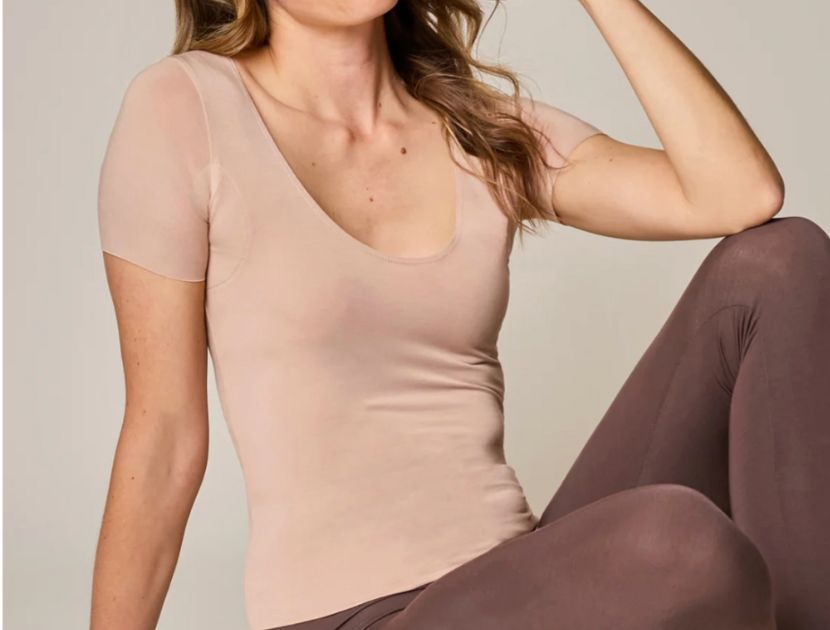
This is the most effective and most overlooked step in sweater care.
Wearing a lightweight layer underneath protects knitwear from sweat, deodorant, and body oils, which are the biggest causes of fiber breakdown. Even a thin cotton or modal layer creates a barrier that dramatically reduces how often sweaters need to be washed.
Less washing means less wear. This one habit alone can significantly extend the life of your knitwear.
It is also worth noting that layering is not just practical. A crewneck sweater worn over a crisp white tee is everywhere right now. While it is often labeled a “trend,” this is really a modern refresh of a look many of us have been wearing since the 90s. It adds structure, polish, and intention to even the simplest outfit while quietly protecting your sweater at the same time.
If you do not like the look of a tee layered underneath, or you have sweaters where a visible layer does not work, an undershirt is a smart alternative. Numi The Signature Undershirt is designed specifically to be worn invisibly under knitwear. It helps prevent sweat stains and deodorant marks while keeping sweaters fresher between washes. It is one of those wardrobe tools that quietly solves a problem most women assume they just have to live with.
Available in a range of colors, I went with the Almond shade and took the size Medium.
Wash Sweaters Less to Preserve Knitwear
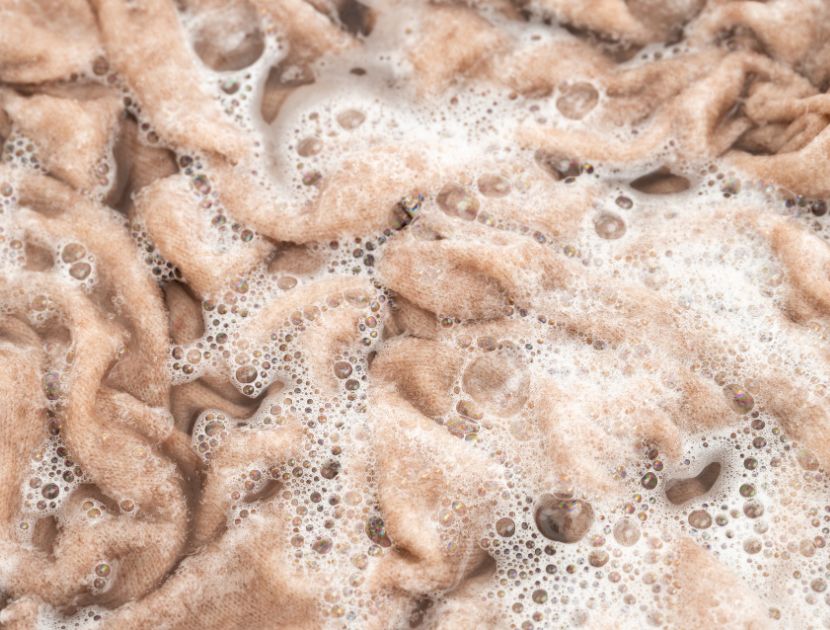
Most sweaters do not need to be washed after every wear (if you are wearing the proper layer!)
If a sweater is not stained and does not smell, it usually just needs a break. Lay it flat overnight or hang it in a well-ventilated space and let the fibers relax.
When it is time to wash, always use cold water and a gentle detergent designed for delicate fabrics or wool. Harsh detergents and heavy enzymes break down natural fibers quickly.
The best detergents for washing knits at home:
The best detergents for washing knits at home:
- Eucalan Fine Fabric Wash for wool and cashmere, especially if you want a very gentle, low-tox option that helps preserve softness.
- Woolite Delicates for a reliable, budget-friendly choice that works well for sturdier knits and machine washing on a delicate cycle.
- The Laundress Wool & Cashmere Shampoo for fine natural fibers that need extra care, particularly lightweight or luxury knits.
- Dirty Labs Hand Wash and Delicates for those who prefer a plant-based, non-toxic formula.
Use a small amount of detergent. More soap does not mean cleaner sweaters. It means more residue left in the fibers.
Hand washing is ideal, but if you use a washing machine, place sweaters in a mesh laundry bag and use the delicate cycle with cold water. Never put sweaters in the dryer.
Lay Flat to Dry and Reshape While Damp
After washing, gently press excess water out with a towel. Do not wring or twist the fabric.
Lay the sweater flat on a drying rack or towel and reshape it while damp. Smooth the seams, adjust the neckline, and straighten the hem. This helps the sweater keep its original shape and prevents stretching.
Hanging wet sweaters can distort the shoulders and neckline, especially with heavier knits.
How to Remove Sweater Pills Safely
Pilling happens to almost all sweaters, including expensive ones. It is not a sign of poor quality. It is simply friction.
What matters is how you remove pills.
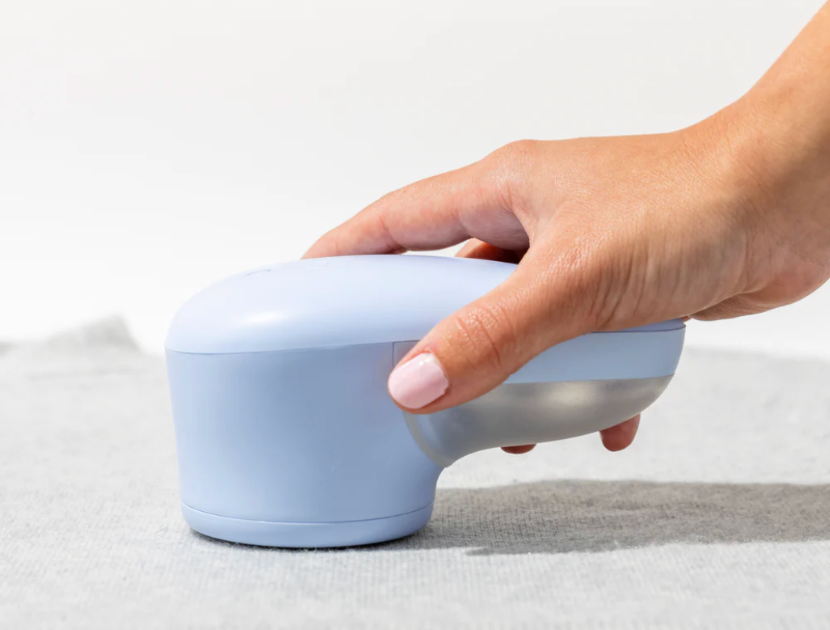
Skip scissors and razors. They are too aggressive and can damage the fabric. A fabric shaver is the safest and most effective way to remove pills.
The Nori Trim Fabric Shaver is a great option for fine and delicate knits because it is gentle, easy to control, and does not pull at the fibers. I also have a discount code for Nori, use TWDL15 and save 15% off any of their products. It’s an easy upgrade if you want to extend the life of your sweaters.
Use light pressure and work slowly. You want to refresh the surface of the sweater, not scrape it.
How to Store Sweaters Properly
How you store knitwear matters just as much as how you wash it.
Hanging can stretch shoulders and distort the neckline over time. Instead, always fold sweaters. I really like these clear shelf dividers from Amazon to keep piles neat and sweaters from toppling over.
Before storing sweaters for the season, make sure they are clean. Natural fibers attract moths, especially if body oils are present. Store knitwear in breathable containers and use cedar or lavender as a natural deterrent.
Avoid plastic bags, which trap moisture and can lead to mildew.
How to Make Your Sweaters Last Longer
Better knitwear is meant to be worn and the good news is with a little extra care you’ll get a long life out of your investment.
Wear a layer underneath. Wash less. Use gentle detergents. Remove pills with the right tools. Store sweaters with intention.
These small habits keep sweaters looking polished and wearable, protect your investment, and make getting dressed easier. When your clothes last longer, your wardrobe works better.
You Might Also Like

Want everything I recommend in one place?
Shop my trusted recommendations
ShopMy is where I save and organize the pieces I consistently recommend, including wardrobe staples, standout finds, and brands I have researched, worn, or genuinely trust. Everything here reflects my years of experience in personal style and the same thoughtful approach I use across The Well Dressed Life.
If you are looking for something specific, or want reliable options without the overwhelm, this is where I start.
Browse my ShopMy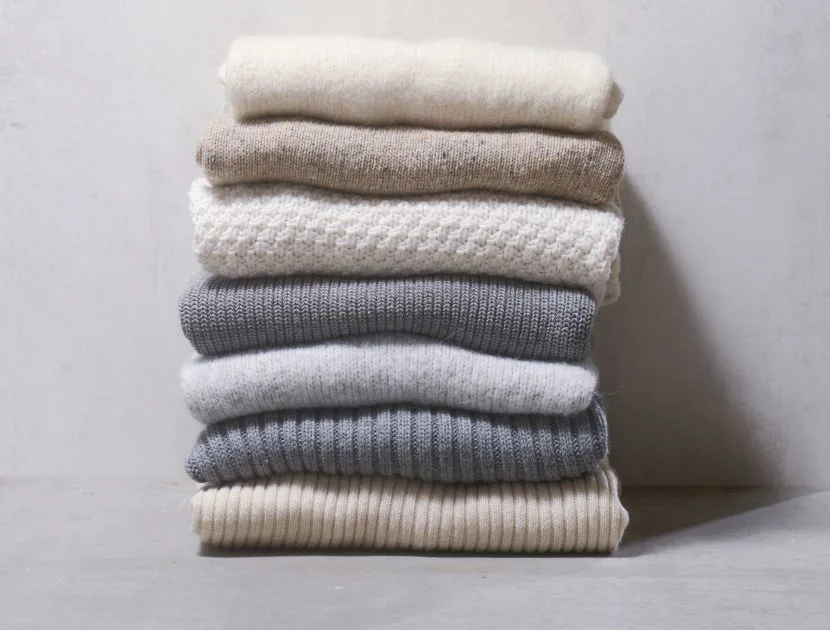
Leave a Comment