
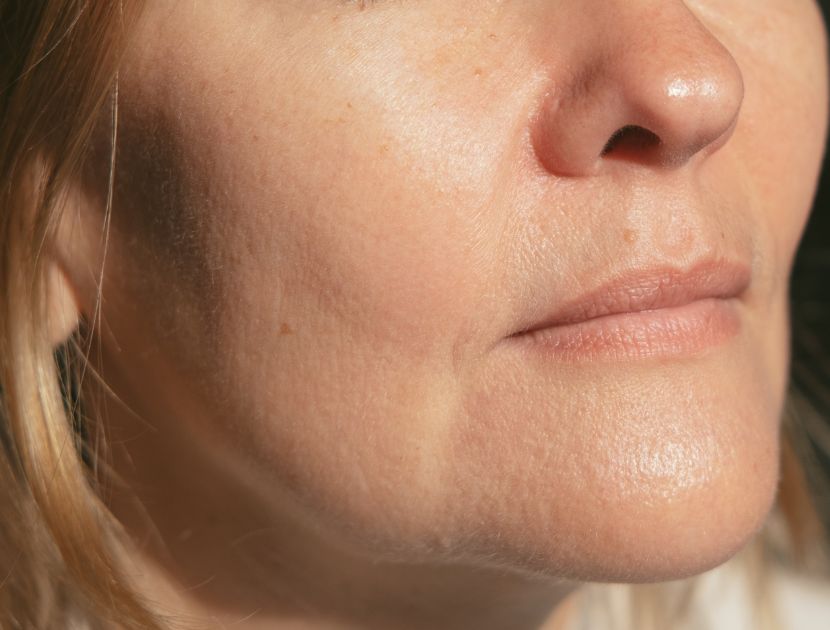
Dermaplaning is a clinically established exfoliation treatment used in dermatology and professional esthetics to improve skin texture, surface clarity, and product performance. It works by removing accumulated dead skin cells and fine facial hair that interfere with how skin reflects light, absorbs skincare, and interacts with makeup.
As skin matures, cell turnover slows and surface buildup becomes more persistent. Dermaplaning addresses this change directly by refining the outermost layer of the skin, allowing it to function more efficiently. This makes it especially relevant in a skincare routine after 40, when texture and product performance often become more noticeable concerns.
What Dermaplaning Does
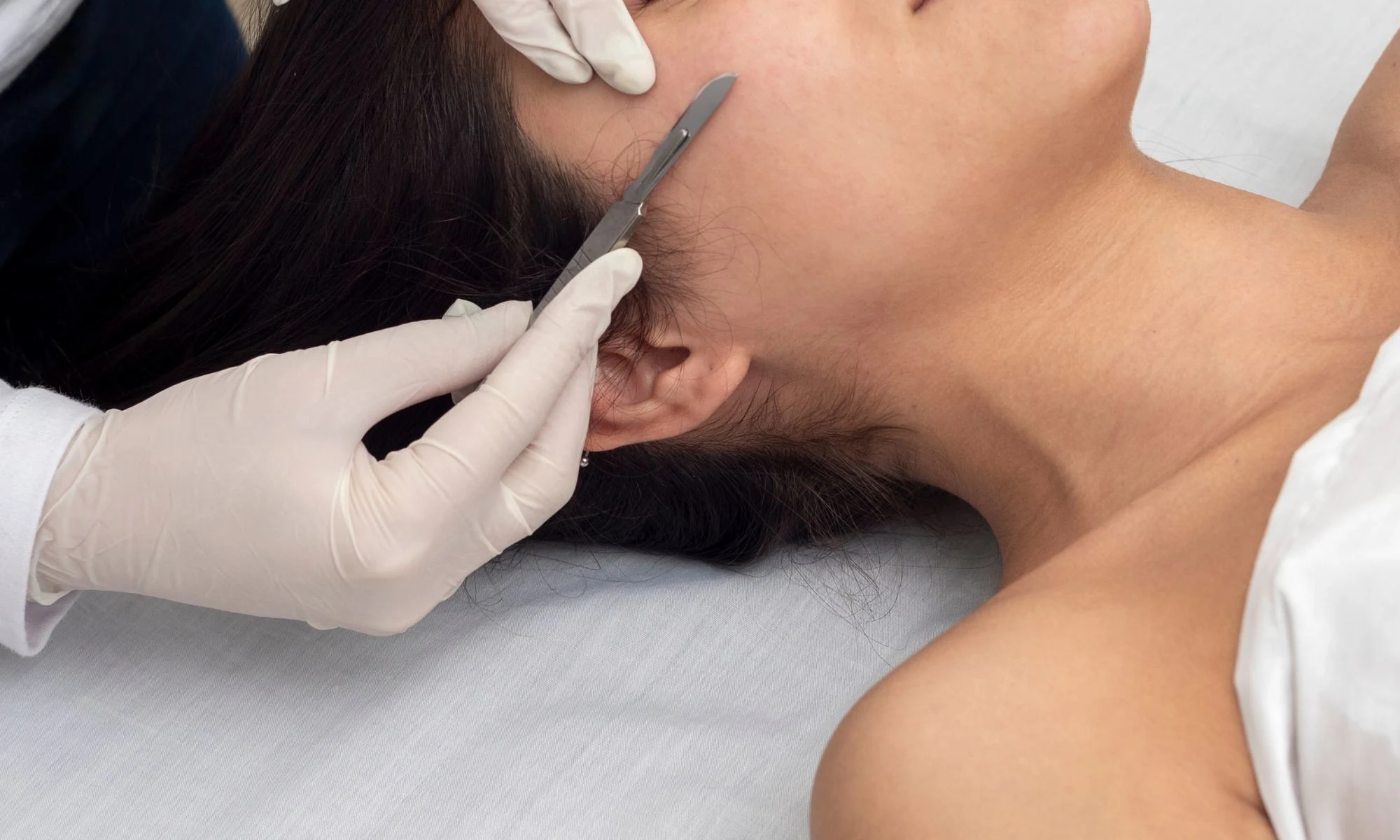
Dermaplaning is a form of manual exfoliation performed with a sterile blade held at a precise angle against the skin.
The treatment removes corneocytes, the dead skin cells that collect on the surface, along with fine vellus hair. This creates a smoother, more uniform surface, improves optical brightness, and allows topical products to penetrate more effectively.
Dermaplaning works at the surface level and complements other forms of exfoliation. For readers learning how to exfoliate properly without irritation, this pairs well with chemical exfoliants used at appropriate intervals.
Key Takeaways
- Dermaplaning removes surface dead skin and fine facial hair for smoother texture.
- Professional treatments deliver the most consistent results and lowest irritation risk.
- At-home tools work best as maintenance when used with light pressure and proper spacing.
Why Dermaplaning Is Especially Relevant After 40
Midlife skin experiences measurable biological changes. Epidermal turnover slows, barrier recovery takes longer, and surface texture irregularities become more visible. These shifts often affect makeup performance and reduce the visible impact of skincare.
Dermaplaning supports mature skin in several evidence-based ways.
Improves surface texture
Removing compacted dead skin cells reduces roughness and softens the appearance of fine lines caused by surface buildup. Treatments that support circulation and surface renewal tend to work best together, which is why dermaplaning pairs naturally with lymphatic drainage for women over 40, a practice that focuses on reducing fluid stagnation and supporting overall skin clarity from a different angle.
Enhances makeup application
Foundation, concealer, and cream products apply more evenly and adhere more predictably to freshly exfoliated skin. This is especially helpful for anyone struggling with makeup settling into texture.
Increases skincare absorption
Topical products absorb more efficiently after surface debris is removed, which can improve the performance of active ingredients. This matters when using targeted treatments, since ingredients like peptides perform best when applied to freshly exfoliated skin as part of a routine built around peptides in skincare for women over 40.
Delivers immediate visible results
Skin typically appears brighter and feels smoother immediately following treatment, with no recovery period when performed correctly.
| Option | Best For | What It Does | How Often |
|---|---|---|---|
| Professional dermaplaning | Consistent texture refinement and brightening | Controlled exfoliation with a sterile scalpel across the face | Every 3–4 weeks |
| At-home dermaplaning tool | Maintenance between professional treatments | Lighter exfoliation with a guarded blade, plus hair removal | Every few weeks |
| Facial shaving | Peach fuzz removal and short-term smoothness | Hair removal with minimal exfoliation impact | As needed, not frequently |
Professional Dermaplaning
Professional dermaplaning is performed by licensed estheticians or dermatology professionals in a clinical or medical spa setting.
This treatment uses a medical-grade sterile scalpel and controlled technique to exfoliate evenly across the face. Providers are trained to adjust pressure, angle, and pass frequency based on skin condition and sensitivity.
A professional session typically includes thorough cleansing, precise blade work, and post-treatment barrier support. This level of control delivers the most consistent results and the lowest irritation risk.
Professional dermaplaning works well for first-time treatments, reactive skin, and anyone seeking noticeable improvement in texture and brightness. Appropriate providers include dermatology offices, medical spas, and licensed esthetician practices that perform dermaplaning regularly.
At-Home Options: Dermaplaning and Facial Shaving
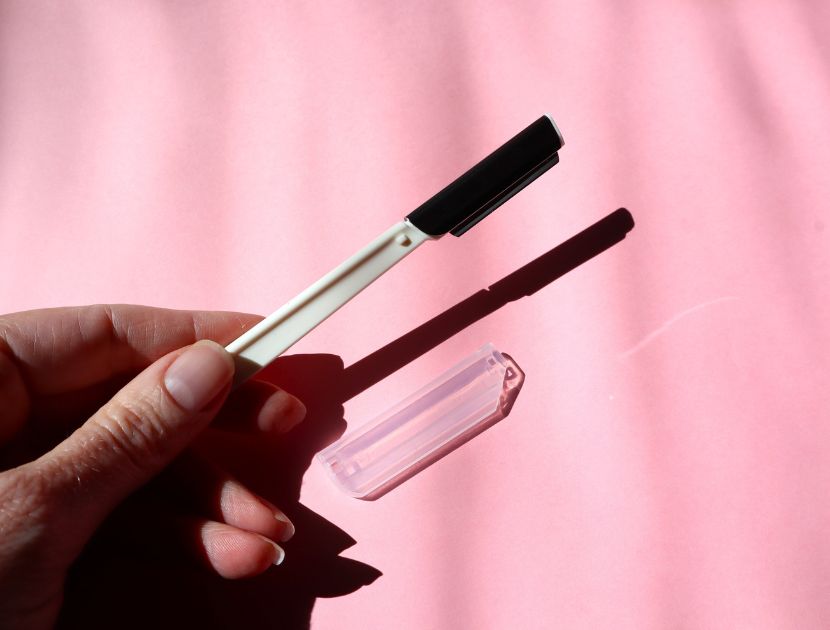
At-home facial tools are best used for maintenance rather than full resurfacing. These options rely on smaller blades and lighter pressure to manage fine facial hair and, in some cases, mild surface exfoliation. When used thoughtfully, they can help maintain smoothness, improve makeup application, and extend the results of professional treatments.
Skin should always be clean and dry before use, and pressure should remain light. Blade quality and replacement matter, as does spacing. Using these tools too frequently or too aggressively increases irritation risk and can compromise the skin barrier. For most people, spacing use every few weeks works best.
If you’re deciding what to use at home, it helps to understand how each option differs and what it is designed to do.
At-Home Tool Options
Tinkle Dermaplaning Tool, $6.99
The Tinkle dermaplaning razors are the most approachable option and work well if your primary goal is removing peach fuzz. These lightweight, disposable razors come in multi-packs with protective covers and are easy to use, even for beginners. They focus on hair removal rather than exfoliation, but they can make makeup apply more smoothly by eliminating surface hair.
Tweezerman Stainless Steel Facial Razor, $18.50
The Tweezerman stainless steel facial razor offers more stability and control than disposable options. The solid handle and balanced design make it easier to use with intention and consistency. Like the Tinkle razor, it functions primarily as a shaving tool rather than an exfoliation treatment, but the improved construction makes it a better choice for those who want a more precise experience.
StackedSkincare At-Home Dermaplaning Tool, $39
If your goal includes gentle exfoliation as well as hair removal, the StackedSkincare at-home dermaplaning tool provides the most comprehensive option. Designed specifically for facial dermaplaning, it uses a metal handle and replaceable blade to support controlled surface exfoliation when used with clean, dry skin and light pressure. This tool requires more care and intention than simple razors, but it delivers broader surface refinement that can support smoother texture and better product absorption between professional treatments.
Across all at-home options, technique and restraint matter more than the tool itself. Light pressure, proper blade care, and appropriate spacing help protect the skin barrier, which is especially important as skin changes with age. If barrier health is already a concern, focusing on skin barrier repair for women over 40 should come before adding any form of exfoliation.
How Often Dermaplaning Is Recommended
Most dermatology and esthetics professionals recommend dermaplaning every three to four weeks. This timing aligns with the skin’s natural renewal cycle and supports consistent improvement without compromising barrier health.
When Dermaplaning Should Be Avoided
Dermaplaning should be avoided during active inflammatory acne, open wounds, skin infections, severe rosacea flares, or periods of compromised barrier function. Timing guidance should come from a dermatologist or licensed esthetician.
Frequently Asked Questions
Is dermaplaning safe for mature skin?
Dermaplaning is considered safe for mature skin when performed correctly and at appropriate intervals. It is widely used in clinical and professional settings for this reason.
Does dermaplaning affect hair growth?
Dermaplaning does not change hair thickness, color, or growth rate. Hair grows back with the same characteristics as before treatment.
Can dermaplaning help with dull or rough skin texture?
Dermaplaning improves dullness and rough texture by removing surface dead skin cells, allowing light to reflect more evenly across the skin.
Is dermaplaning better than chemical exfoliation?
Dermaplaning and chemical exfoliation address different aspects of skin renewal. Dermaplaning removes surface buildup, while chemical exfoliants support cell turnover below the surface. Many routines incorporate both.
Who should consult a professional before dermaplaning?
Individuals with sensitive, reactive, or medically managed skin conditions should consult a dermatologist or licensed esthetician before treatment.
Why It Works
Dermaplaning improves skin texture, makeup performance, and skincare absorption by removing surface buildup that interferes with how skin functions.
For many women over 40, it offers a practical, low-maintenance way to maintain smoother skin and more consistent results from daily products.
Continue Reading
Dermaplaning works best as part of a broader approach to skin health after 40. These guides expand on barrier support, circulation, and ingredient performance.
You Might Also Like

Want everything I recommend in one place?
Shop my trusted recommendations
ShopMy is where I save and organize the pieces I consistently recommend, including wardrobe staples, standout finds, and brands I have researched, worn, or genuinely trust. Everything here reflects my years of experience in personal style and the same thoughtful approach I use across The Well Dressed Life.
If you are looking for something specific, or want reliable options without the overwhelm, this is where I start.
Browse my ShopMy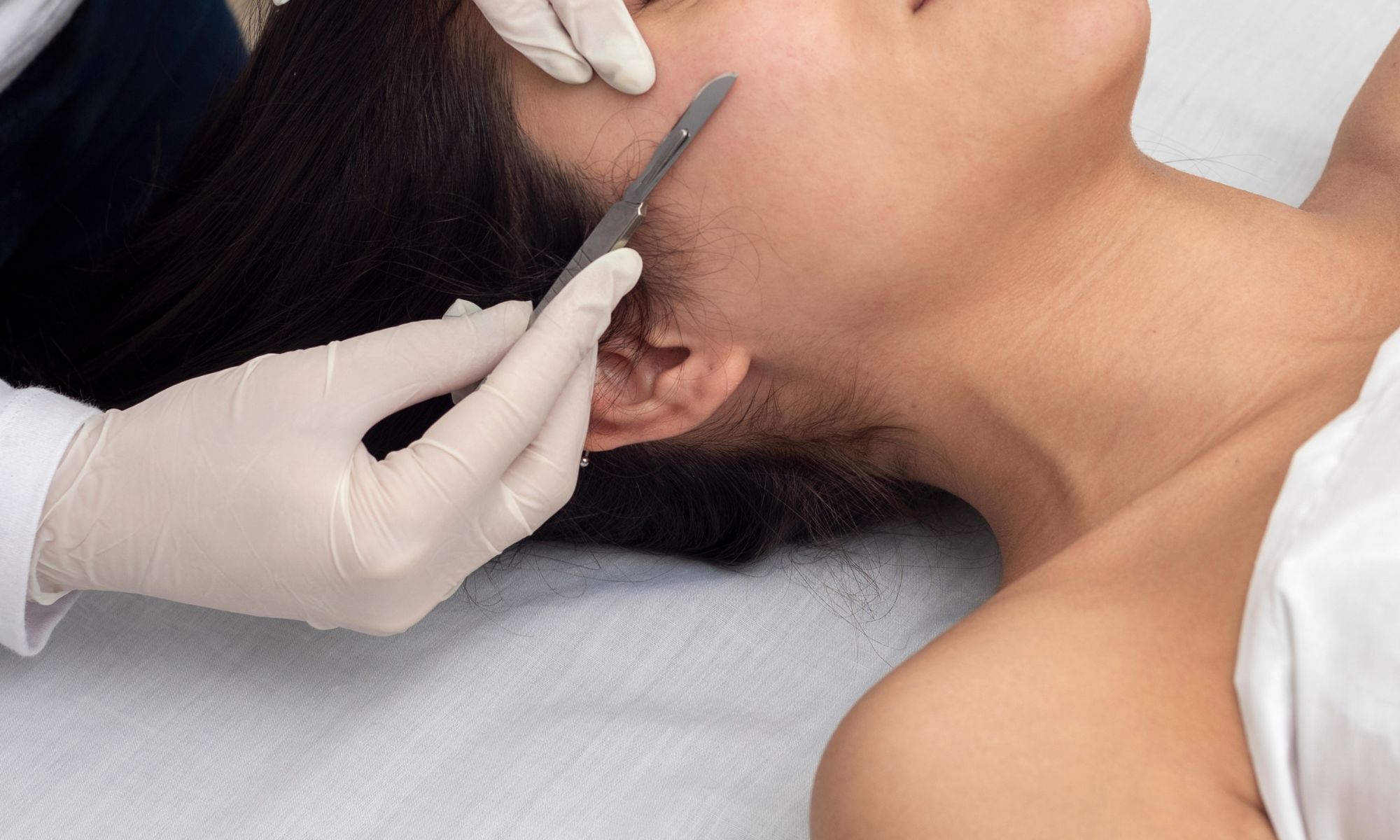
Leave a Comment