
The Best Primers for Women Over 40, by Skin Type

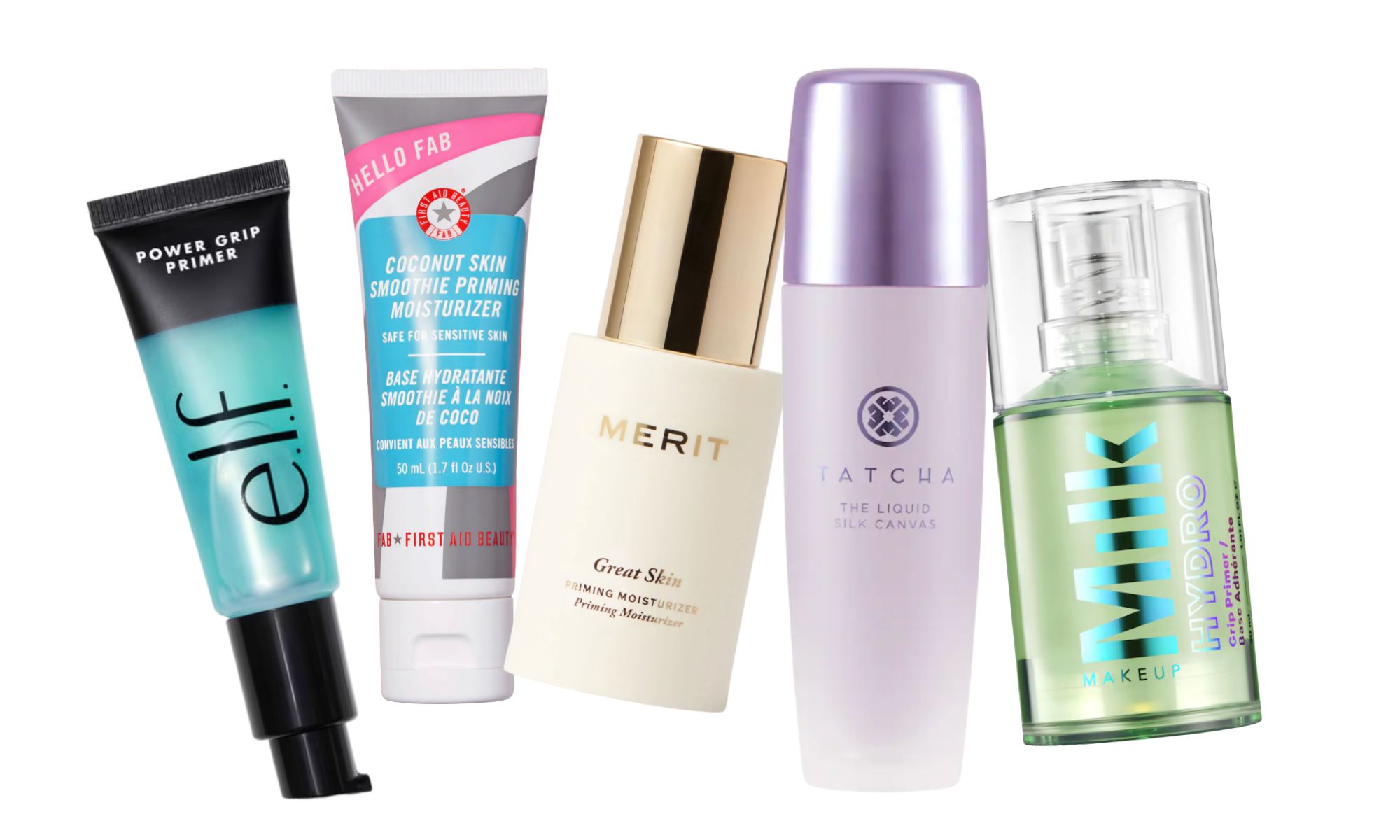
Finding the best primers for women over 40 is harder than it should be. Most primers are designed for younger, oilier skin, and it shows the minute you put one on mature skin. The silicone-heavy formulas that dominate the category create a smooth, filtered finish for the first hour, then break down through the day. They settle into fine lines, separate around the nose, and take your foundation with them when they go.
The right primer can genuinely improve how your makeup wears. The wrong one makes everything worse. Here’s how to find the best primers for women over 40 by skin type, plus five formulas worth your money.
Do You Actually Need a Primer After 40?
Not everyone does. If your skincare absorbs well, your foundation goes on smoothly, and your makeup still looks good at the end of the day, primer is a step you can skip. A well-formulated moisturizer is often the better base.
But primer earns its place in your routine if you’re dealing with any of these:
- Foundation that separates or slides by midday, especially around the nose, chin, or smile lines
- Visible texture (enlarged pores, fine lines, uneven surface) that your foundation settles into rather than smooths over
- Excess shine that breaks through your foundation a few hours in, or dry patches that grab pigment and look flaky
- Short wear time. Makeup that looks great at 9 a.m. and patchy by lunch, even when your skincare and foundation are otherwise working
- A mismatch between your skincare finish and your foundation, like a dewy moisturizer under a matte foundation, which tends to break down faster
A primer’s job is to bridge the gap between your skin and your foundation. It smooths where there’s texture, grips where there’s slip, and hydrates where foundation tends to grab. If none of those issues apply to you, save your money. If two or more do, the right primer will make a noticeable difference.
What to Look for in a Primer After 40
The category has a silicone problem. Dimethicone and its cousins create that immediately smooth, blurred finish that looks incredible in photos. On younger skin, they work. On mature skin, the same ingredients that fill pores and lines in the first hour tend to settle, separate, and emphasize the texture they were supposed to hide once the day’s heat, oil, and movement get involved. This is the core challenge when shopping for the best primers for women over 40.
That doesn’t mean every silicone primer is wrong for you. It means you should know what you’re putting on and why. Here’s what to look for:
Water or gel-based formulas. These hydrate or grip without the heavy slip of silicones. They tend to age better through the day on mature skin and are less likely to cause pilling under foundation.
Lightweight textures that don’t fill or mask. A primer should smooth the surface of the skin, not coat it. If you can feel the primer on your face after 30 seconds, it’s too much product or the wrong formula.
Compatibility with your foundation finish. Dewy primer under matte foundation breaks down fast. Mattifying primer under dewy foundation goes flat and dull. Match the finishes.
A formula matched to your skin type. This is where most roundups fail women over 40. Dry and mature skin needs hydration and a primer that won’t emphasize texture. Combination and oily skin needs grip and shine control without the heavy silicones that flake off. Sensitive skin needs fragrance-free, simple formulations. One primer cannot serve all of these readers, which is why the lineup below is broken out by skin type.
One last thing: you don’t need to prime your whole face. Most women get better results applying primer only where their makeup tends to fade. The center of the face, around the nose, and the chin are usually enough. A pea-sized amount is plenty.
The Best Primers for Women Over 40
Best Overall for Mature Skin: Merit Great Skin Priming Moisturizer
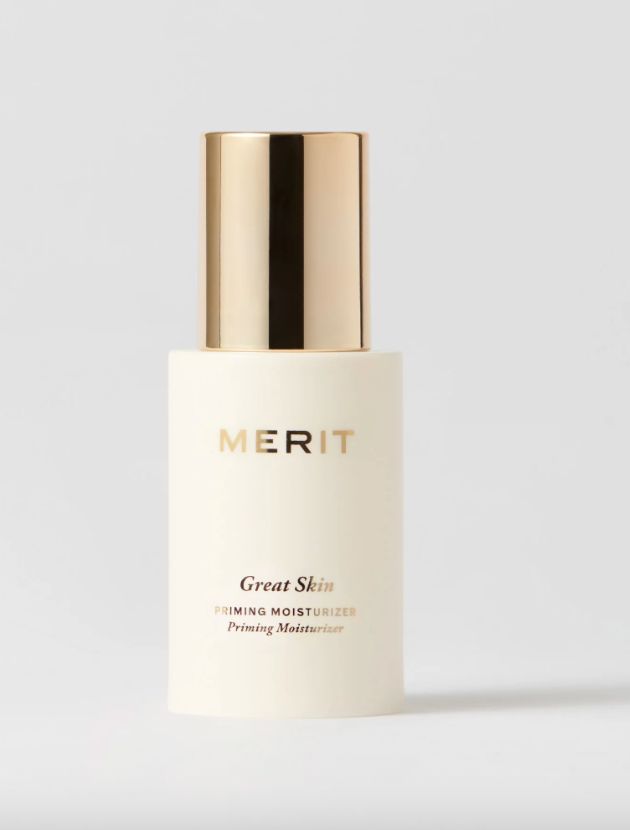
If you’re not sure where to start, start here. Merit’s Great Skin Priming Moisturizer is technically a hybrid product, but the skincare side is doing real work. The formula is built around peptides, spermidine, and hyaluronic acid, which means it’s supporting hydration, firmness, and elasticity while it preps your skin for makeup. It’s silicone-free, fragrance-free, and absorbs quickly with no tackiness or residue.
There’s no pigment, so it doesn’t change the look of your foundation, and it consolidates a step rather than adding one. For women who’ve simplified their routine but still want their makeup to wear well, this is the most universally flattering option in the category.
Best for: Normal, dry, dehydrated, or mature skin that wants treatment benefits in a single step Skin types it works on: Normal, dry, combination
Shop: Merit’s Great Skin Priming Moisturizer, $42
Best Primer for Oily, Combination, or Acne-Prone Skin Over 40: Milk Makeup Hydro Grip Primer
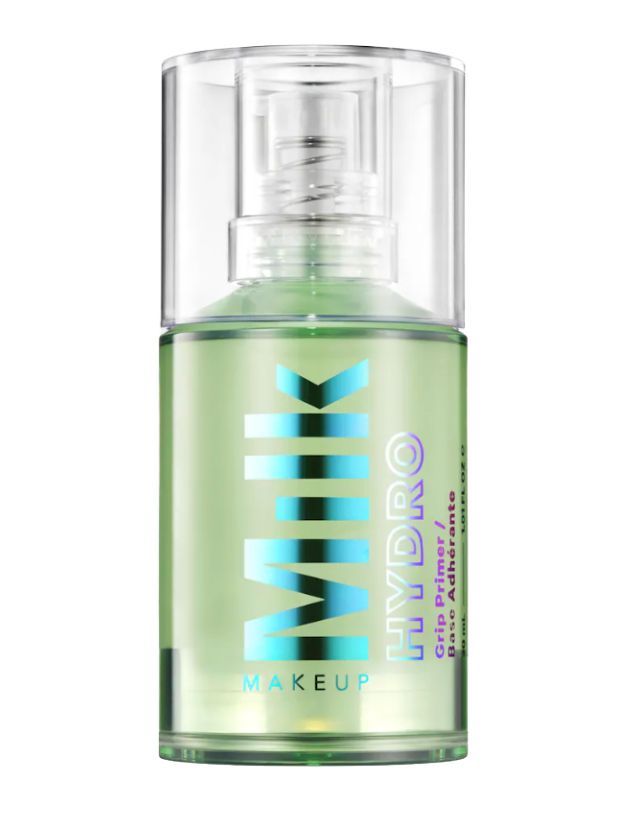
Combination and oily skin after 40 is one of the trickiest categories to find the best primers for women over 40. Most mattifying primers are silicone-heavy and break down on mature skin, leaving you with the worst of both: shine and visible texture. Milk’s Hydro Grip Primer is the rare exception. It’s silicone-free, gel-based, and uses hyaluronic acid, niacinamide, and a gripping ingredient called blue agave extract to lock makeup in place for up to twelve hours.
It won’t stop shine the way a traditional mattifier will, but it will keep your makeup in place through the day without that coated, cakey feel. The hydration is a bonus for the drier areas combination skin tends to develop after 40, especially around the cheeks and eyes. It’s also non-comedogenic, which makes it one of the better picks for women still dealing with breakouts, including the hormonal adult acne that often shows up in perimenopause.
Best for: Combination, oily, or acne-prone skin that wants real grip without silicone-heavy formulas Skin types it works on: All skin types, especially combination, oily, and breakout-prone
Shop: Milk’s Hydro Grip Primer, $30
Best for Texture and a Polished Finish: Tatcha The Liquid Silk Canvas
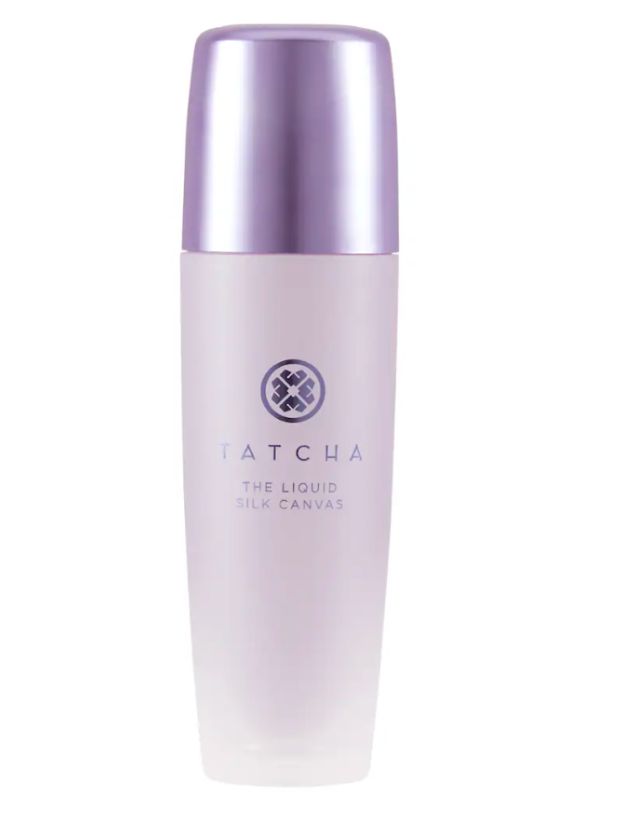
If your concern is texture (visible pores, fine lines, uneven surface) and you want a primer that creates a refined, blurred finish without filling or masking, this is the one. The formula is water-based and uses silk proteins along with botanical extracts to smooth the surface of the skin and create a soft-focus effect. It takes down shine without going matte, plays well with both liquid and cushion foundations, and extends wear noticeably.
This is the primer to reach for when you want your makeup to look intentional. Polished, not just applied. It’s the one to use when you want your skin to look like the after photo, not the before.
Best for: Normal, combination, or oily skin that wants a refined, blurred finish Skin types it works on: All skin types P
Shop: Tatcha The Liquid Silk Canvas: Featherweight Protective Primer, $55
Best for Sensitive, Reactive, or Rosacea-Prone Skin: First Aid Beauty Hello FAB Coconut Skin Smoothie Priming Moisturizer
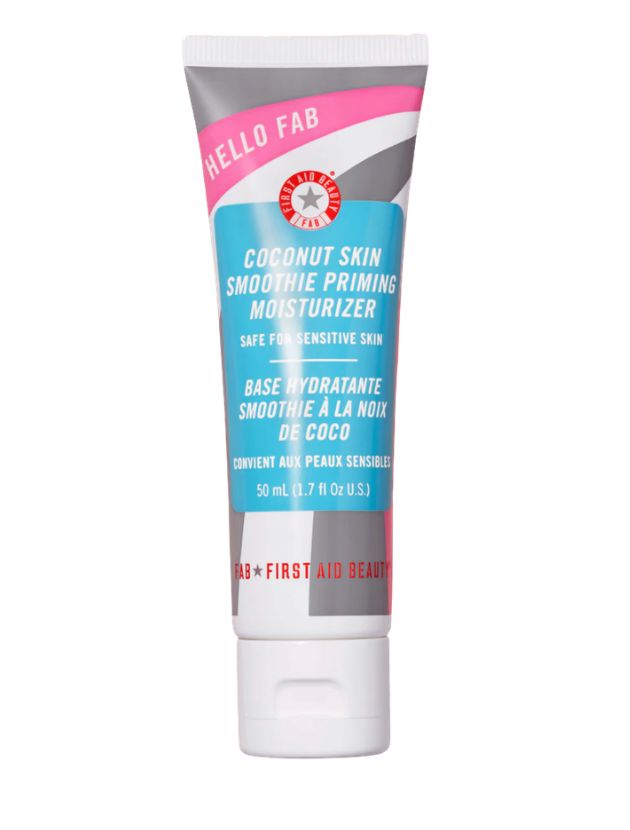
First Aid Beauty was founded specifically for sensitive skin, and the Coconut Skin Smoothie is one of the most widely tolerated priming moisturizers on the market. It’s dermatologist-tested, free of synthetic fragrance, free of parabens, lanolin, mineral oil, and the long list of common irritants that trigger reactive skin. The formula uses coconut water for hydration, quinoa protein for barrier support, and feverfew and licorice root extracts to soothe.
One honest note: this formula does contain dimethicone, which puts it in the silicone category I steered you away from earlier. The difference is in concentration and formulation. The silicones here sit lower in the ingredient list and are balanced with hydrating and barrier-repairing ingredients, which is why it tends to behave better on mature skin than traditional silicone-heavy primers. It’s also one of the few primers that consistently doesn’t trigger reactive skin, which for sensitive-skin readers is the higher priority. If you can tolerate silicones at all, this is the safest sensitive-skin option in the category. If you can’t, you’re better off skipping primer entirely and prepping with a barrier-repair moisturizer.
A note on rosacea: this primer doesn’t color-correct, so if redness is your main concern, you may still want a foundation with green undertones or a targeted color-correcting concealer. But for the broader rosacea-prone reader looking for the best primers for women over 40 with sensitive or reactive skin, the simple, soothing formulation here is one of the safest bets in the category.
Best for: Sensitive, reactive, rosacea-prone, or barrier-compromised skin that needs hydration without irritation Skin types it works on: Normal, dry, combination, sensitive
Shop: First Aid Beauty Hello FAB Coconut Skin Smoothie Priming Moisturizer, $32
Best Budget Primer for Mature Skin: e.l.f. Power Grip Primer
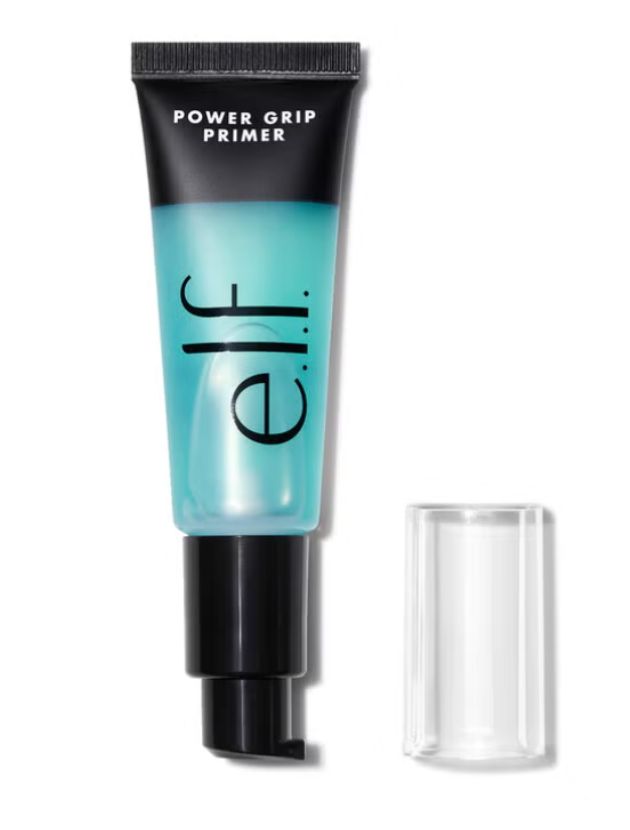
The drugstore primer that earned its reputation honestly. e.l.f.’s Power Grip is a gel-based, slightly tacky formula that helps foundation grip and stay in place, and it genuinely competes with primers four times the price. It works especially well under lightweight foundations and tinted moisturizers, which is what most women over 40 are reaching for anyway.
One important note, because this is where it goes wrong: use less than you think. A thin layer, let it dry for 30 seconds, then apply foundation. Use too much and it will pill, which is the single most common complaint about this primer and almost always a user error.
Shop: e.l.f.’s Power Grip, $11
Best for: Anyone who wants real staying power without the splurge price Skin types it works on: Normal, dry, combination Price: $10 at Target, Amazon, and Ulta
How to Apply Primer for Best Results
Application matters as much as the formula. These are the four things that go wrong most often:
Let your skincare fully absorb. Primer applied over tacky moisturizer is the fastest way to get pilling. Wait at least a minute, longer if you’ve used a thicker cream.
Use less than you think. A pea-sized amount, applied only where you need it. More primer doesn’t equal more wear. It equals more pilling.
Wait 30 to 60 seconds before applying foundation. Most primers need that window to set. Foundation applied immediately on top of wet primer tends to break down faster, not slower.
Press, don’t drag. When you apply foundation over primer, use pressing or tapping motions with a sponge or fingers. Dragging a brush across primer disrupts it and causes patchiness.
If your makeup is separating or looking patchy by midday, the answer is almost always less primer, not more.
Frequently Asked Questions: Best Primers for Women Over 40
Is primer bad for mature skin? No, but the wrong primer is. Silicone-heavy primers designed for younger, oilier skin tend to break down on mature skin and emphasize texture. The right primer, matched to your skin type, can extend wear and create a smoother base. The five picks in this guide to the best primers for women over 40 were chosen specifically because they work with mature skin rather than against it.
Can I use primer without foundation? Yes. Several primers, including Merit Great Skin, Tatcha Liquid Silk Canvas, and First Aid Beauty Coconut Skin Smoothie, work well on their own as a finishing step over moisturizer. They give the skin a refined, polished look without the coverage of foundation. This is one of the best uses of a hybrid skincare-primer formula.
What’s the difference between a primer and a priming moisturizer? A traditional primer is designed to extend makeup wear and create a smooth base. A priming moisturizer, like the Merit or First Aid Beauty, combines skincare benefits (hydration, peptides, antioxidants) with primer function. For women over 40 with drier or more sensitive skin, a priming moisturizer often outperforms a traditional primer because it works with the skin rather than coating it.
Do I really need a separate primer if I already use a good moisturizer? Not necessarily. If your moisturizer absorbs well and your makeup wears beautifully on top of it, there’s no reason to add a primer. Try going without first. If you notice your makeup fading, sliding, or separating, that’s when primer starts to earn its place.
What about color-correcting or illuminating primers? These can be useful for specific concerns like redness or dullness, but most of the formulas on the market are silicone-heavy and tend to break down on mature skin. If you want color correction, a tinted moisturizer or a color-correcting concealer applied only where you need it usually performs better than a full-face primer. If you want luminosity, a priming moisturizer like the Merit or First Aid Beauty already delivers a soft glow without the staying-power problems of a true illuminating primer.
Which of These Best Primers for Women Over 40 Is Right for You?
If your foundation isn’t wearing well, the primer is almost always the first thing to fix, not the foundation itself. These are the best primers for women over 40 for a reason: The Merit is the most universally flattering option and where to start if you’re new to primer over 40. The Milk is the right answer for combination, oily, or breakout-prone skin that’s tired of silicone-heavy mattifiers. The Tatcha is for when you want a polished, blurred finish that still looks like skin. The First Aid Beauty is the safest bet for reactive, sensitive, or rosacea-prone skin. And the e.l.f. is the rare budget product that genuinely delivers, as long as you don’t overdo it.
The right primer should make your makeup look better and wear longer. If it doesn’t, it’s the wrong primer for you.
Shop this Post
You Might Also Like
Want everything I recommend in one place?
Shop my trusted recommendations
ShopMy is where I save and organize the pieces I consistently recommend, including wardrobe staples, standout finds, and brands I have researched, worn, or genuinely trust. Everything here reflects my years of experience in personal style and the same thoughtful approach I use across The Well Dressed Life.
If you are looking for something specific, or want reliable options without the overwhelm, this is where I start.
Browse my ShopMy
I’ve tried the Elf Primer and actually used it for a year or two before I began having problems finding it in stock at the stores. I thought it was a great and affordable alternative to the pricey primers! You and your daughter look beautiful!!
Maddie and you look beautiful! Thanks for the info on the products
Maddie is incredibly beautiful- you both are!
Awww, thank you. She really is such a great young woman.
You both look beautiful! Would you provide more information about the under eye patch?
Of course! I buy these at Target by Pixi and keep them in my fridge. They help cool and de-puff your eyes. You can spend a lot more for them but these guys do the trick!
@Megan Kristel,
Thank you for the patch information, Megan. I am looking forward to trying them as I have a lot of under eye puffiness. Do you have a new hair style? It looks great!
@Megan Kristel, Thank you! Just ordered 🙂
What brand & color is on your lips? It’s perfect!
Re: the primer article – would you use the same product on your undereye area for concealer?
When using the Merit primer, do you apply sunscreen before or after the primer? Thank you